Money Transmitter Licenses for Crypto: Complete 2026 Guide for US Businesses
A comprehensive guide to Money Transmitter Licenses for crypto businesses in 2026, covering state requirements like NY BitLicense, MTMA standards, and FINCEN compliance.

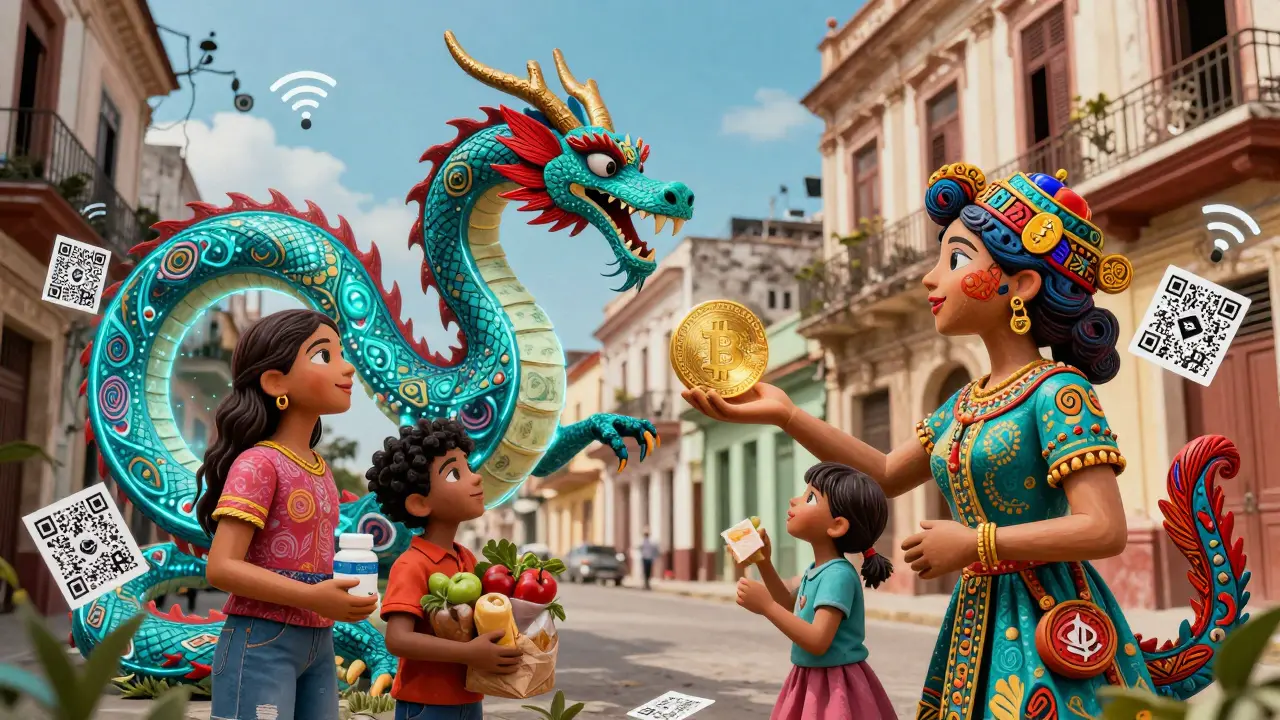
Cuba doesn't ban cryptocurrency-it regulates it. Since 2021, the government has legally recognized Bitcoin and other digital currencies as payment tools to help citizens bypass U.S. sanctions. This isn't rebellion-it's survival.

US citizens holding cryptocurrency on foreign exchanges must report assets under FATCA if they exceed $50,000. Failure to file Form 8938 or FBAR can trigger severe penalties. Learn the thresholds, how to report, and what’s changing in 2026.
iZiSwap (Mode) offers zero fees and zero slippage on paper, but with only $171 in daily volume and 5 trading pairs, it's more experiment than exchange. Here's what you need to know before using it.
Platform cryptocurrencies like Ethereum and Solana power decentralized apps, smart contracts, and DeFi - not just payments. They're the backbone of a new digital economy built on code, not banks.
There is no Hot Cross (HOTCROSS) airdrop. The token has collapsed 99.98% from its peak, trades with zero volume, and was delisted by major exchanges. Any claims of a distribution are scams or outdated rumors.
AmpleSwap (new) (AMPLE) is a low-value crypto token with almost no market presence, declining price, and contradictory supply data. Despite claims of being a top DEX, real data shows zero trading volume and near-zero adoption.