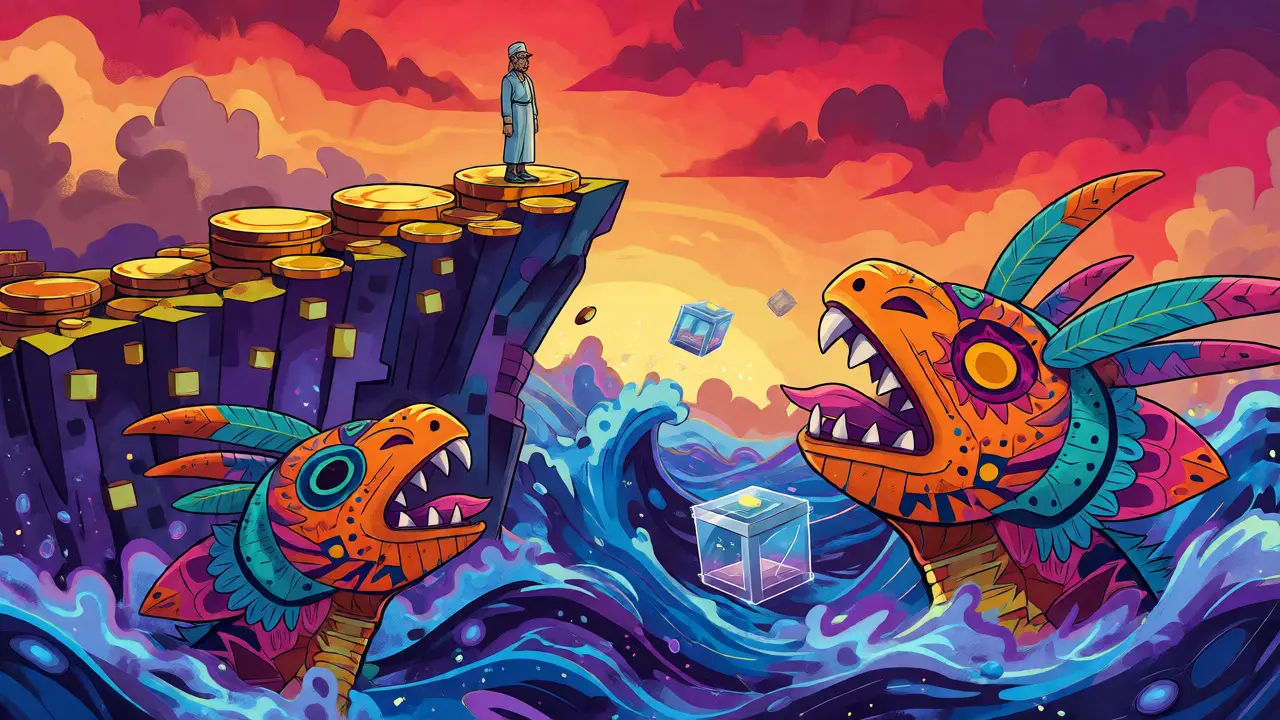
Norway Crypto Mining Ban: Data Center Restrictions and Regulations
Explore the strict data center restrictions for crypto mining in Norway, including the Nkom registry, the 2025 ban on new facilities, and the impact on energy use.
When you hear Crypto, digital money that runs on decentralized networks without banks. Also known as cryptocurrency, it lets people send value directly to each other—no middleman needed. But most people don’t realize crypto isn’t just Bitcoin or Ethereum. It’s a whole system: blockchains, exchanges, wallets, tokens, and even digital badges that prove you showed up to an event. And not all of it works. A lot of it is dead, fake, or risky.
Behind every coin is a Blockchain, a public digital ledger that records transactions in blocks, chained together with cryptography. Also known as distributed ledger technology, it’s the foundation for everything from secure voting to fan tokens for football clubs. But not all blockchains are the same. Some, like Bitcoin, use tons of energy. Others, like Ethereum after its upgrade, use almost none. Some are open for anyone to build on. Others are locked down by one company. And some? They’re just names on a screen with no team, no code, and no users—like veDAO or Diyarbekirspor Token.
You can’t talk about crypto without talking about decentralized exchange, a platform where you trade crypto directly from your wallet, without giving control to a company. Also known as DEX, it’s how real users avoid KYC and stay in control. But even DEXs can be dead. Wannaswap? Gone. Huckleberry? Niche but alive for Polkadot users. KyberSwap? Clean, but limited. And then there’s GroveX—no KYC, low fees, but zero trust. Knowing the difference saves you from losing money.
Then there’s crypto security, the practice of protecting your digital assets from theft, scams, and hacks. Also known as self-custody, it’s not optional if you own more than a few dollars worth of crypto. Hardware wallets like Ledger and Trezor aren’t fancy gadgets—they’re your last line of defense. If you don’t use one, you’re trusting strangers with your money. And if you’re chasing airdrops like PERA or ATA, you need to know which ones are real. Most aren’t. Scammers copy names, fake websites, and promise free tokens. They don’t care if you lose. They just want your wallet key.
And let’s not forget the rules. The EU’s MiCA regulations are forcing exchanges in Cyprus to get licensed. Indonesia now taxes every trade. Russia lets you mine—but only if you register and accept power cuts. North Korea is stealing billions. Governments aren’t ignoring crypto. They’re shaping it. And if you’re trading without knowing the rules, you’re playing with fire.
What you’ll find below isn’t a list of coins to buy. It’s a collection of real, tested, and sometimes shocking stories about what’s working, what’s dead, and what’s a trap. You’ll learn why some tokens have zero trading volume, how AI is making blockchains smarter, why fan tokens often mean nothing, and how to spot a scam before you click "Connect Wallet." This isn’t hype. It’s what actually happens when you dig past the marketing.
Explore the strict data center restrictions for crypto mining in Norway, including the Nkom registry, the 2025 ban on new facilities, and the impact on energy use.
A complete guide to US crypto laws for 2026. Compare New York's BitLicense vs. California's DFPI and explore new federal laws like the GENIUS Act.
Explore the evolution of Merkle Trees, from blockchain basics to Verkle Trees, stateless clients, and quantum-resistant futures in this deep dive.
Looking for the MetaGear (GEAR) CoinMarketCap airdrop? Learn about the tokenomics, the project's P2E gaming model, and how to prepare for the potential GEAR token distribution.
Learn the difference between thick and thin order books, how market depth affects your trades, and how to avoid costly slippage in volatile markets.
Get all the details on the ASPO World 'The Rise To Fame' airdrop. Learn how to claim $ASPO tokens, get NFT Elite Boxes, and enter the blockchain gaming world.
A detailed review of Splash crypto exchange. Learn about its decentralized nature, limited coin support, security risks, and how it stacks up against industry giants in 2026.
Explore how creators use social tokens to bypass platforms, engage superfans, and build a decentralized economy. Learn the pros, cons, and technical setup.
Discover what Request (REQ) is and how the Request Network revolutionizes crypto payments with decentralized invoicing, removing middlemen and payment errors.
Join the Ancient Raid (RAID) NFT Mega Airdrop! Learn how to claim your share of $30,000 in NFTs and $5,000 in RAID tokens through the CoinMarketCap event.
Explore how Iran, North Korea, and Myanmar use cryptocurrency to bypass FATF blacklists and global sanctions, and how regulators are fighting back.
Avoid asset freezes and hacks. Learn which crypto exchanges are dangerous for Iranians due to US sanctions, IRGC ties, and new Iranian stablecoin laws.
IPFS keeps NFTs alive by storing art off-chain with verifiable hashes. Without proper pinning, over 30% of NFTs lose their media. Learn how to use IPFS, avoid common mistakes, and ensure your NFTs last forever.
LoveBit (LB) is an ESG-focused memecoin launched in January 2024 on Binance Smart Chain. It combines crypto speculation with social initiatives like child charity campaigns and a Telegram tap game. With a 210-trillion token supply, its price is ultra-low but volatile. Not a scam, but extremely risky.
OBVIOUS COIN is a Solana-based meme token with no team, utility, or future. Learn why it's a high-risk gamble, how it works, and why 92% of similar tokens vanish within months.
A detailed review of Splash crypto exchange. Learn about its decentralized nature, limited coin support, security risks, and how it stacks up against industry giants in 2026.
KCEX offers 0% spot trading fees and negative maker fees on futures, making it a top choice for active traders. But with no fiat onramps, slow support, and no regulatory oversight, it's high-risk and not for beginners.