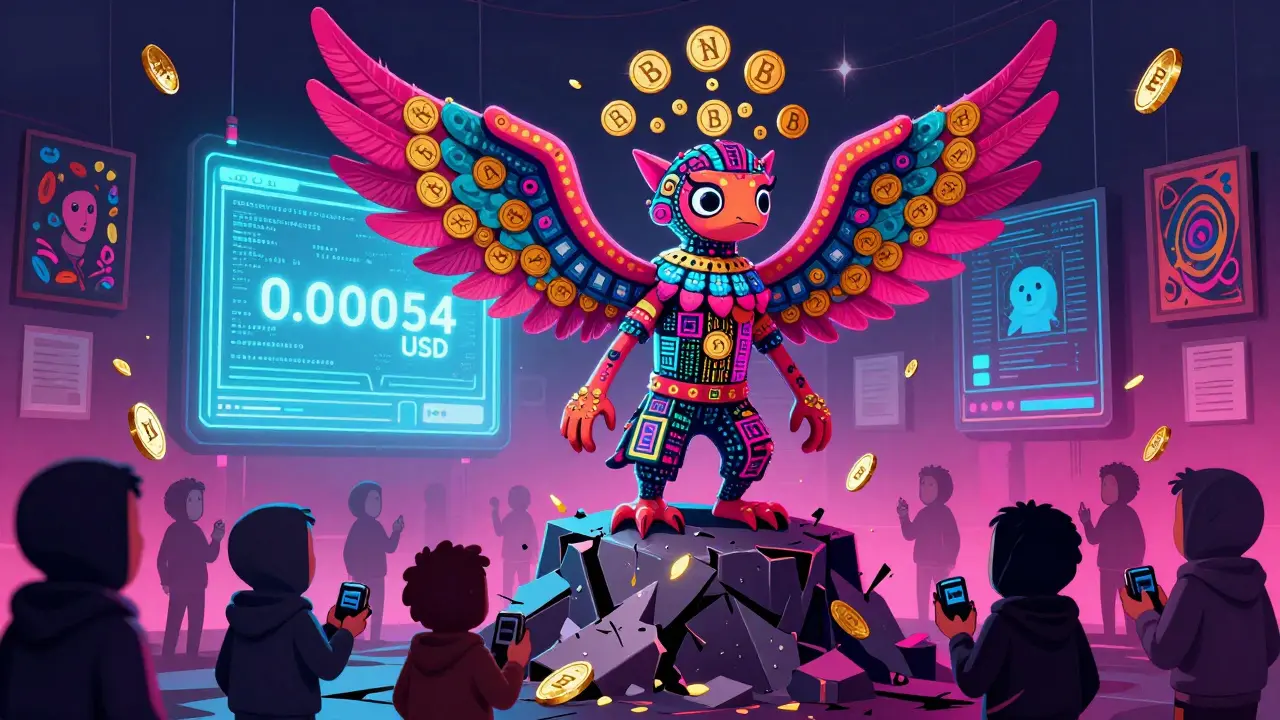

The BNU airdrop by ByteNext was never meant to make you rich. It was meant to get people to try their platform - and for most, it worked. But what happened after the tokens landed in wallets tells a very different story.
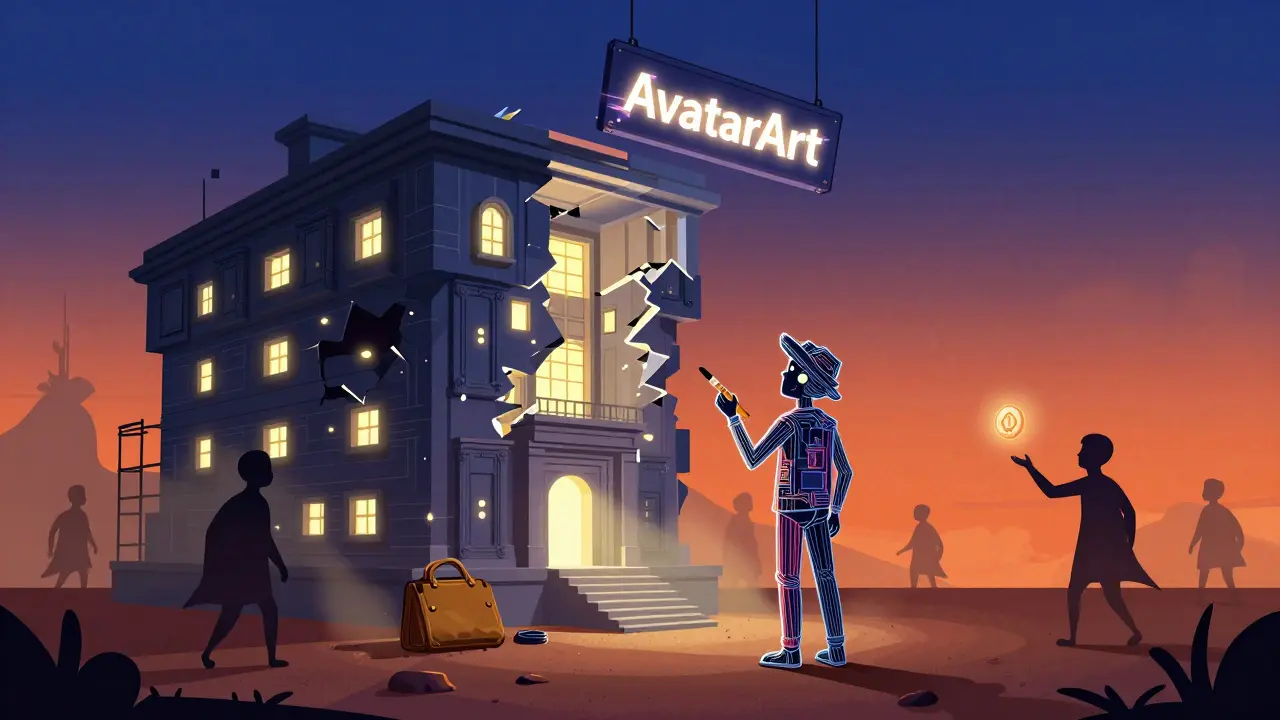
In July 2023, ByteNext launched its first and only major airdrop: 25,000 $BNU tokens split evenly among 1,000 winners. Each got exactly 25 BNU. That’s not a lot by crypto standards - maybe $15 at the time - but it was enough to pull in thousands of sign-ups. The goal? Build a user base for AvatarArt, their NFT marketplace built on Binance Smart Chain (BSC), where artists could turn digital art into NFTs and sell them without middlemen.
To join, you had to do five things. First, add BNU to your CoinMarketCap watchlist. Second, follow both @Bytenextio and @zeusc_ventures on Twitter. Third, join the official Telegram group and announcement channel. Fourth, retweet the campaign post and tag at least five people. Fifth - and this was non-negotiable - you needed a BSC wallet. No MetaMask? No entry. No BNB for gas? You still had to have the wallet ready. It wasn’t about how many followers you had. It was about proving you’d actually use the platform.
The campaign ran from July 3 to July 8, 2023. Winners were announced on July 15. Tokens hit wallets on July 30. No delays. No confusion. ByteNext handled the distribution cleanly. But here’s the catch: most people never did anything with those tokens after they arrived.
Why? Because the platform never took off.
BNU wasn’t just a loyalty token. It was the engine of AvatarArt. You needed BNU to pay listing fees when uploading an NFT. You needed it to buy ad space in their 3D virtual galleries - imagine walking through a digital museum where artists paid to have their work spotlighted. You could stake BNU in liquidity pools to earn more. You could vote on which artworks got featured. And if you owned NFTs on the platform, you could use BNU to pay artists for usage rights.
But without buyers. Without artists. Without traffic. The system stalled.
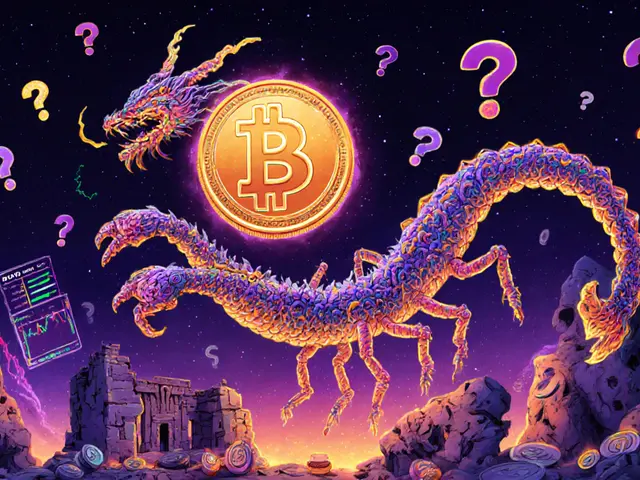
Today, BNU trades at around $0.00054. That’s down 99.9% from its all-time high of $0.000741. Trading volume? Less than $7 in the last 24 hours. Coinbase still lists it. CoinGecko still tracks it. But Binance? Zero volume. No buyers. No sellers. Just a ghost ledger with 200 million tokens floating in limbo.
And here’s the irony: the airdrop did exactly what it was designed to do. It got people to sign up. Thousands did. But the platform didn’t deliver. Artists didn’t flood in. Collectors didn’t follow. Without users, the token had no utility. And without utility, there’s no price.
Compare this to other NFT marketplaces. OpenSea grew because it let anyone list NFTs - no permission needed. SuperRare attracted serious artists with curation. AvatarArt? It needed BNU to even list your art. That’s a barrier. And when the initial hype from the airdrop faded, the platform had nothing left to hold onto.
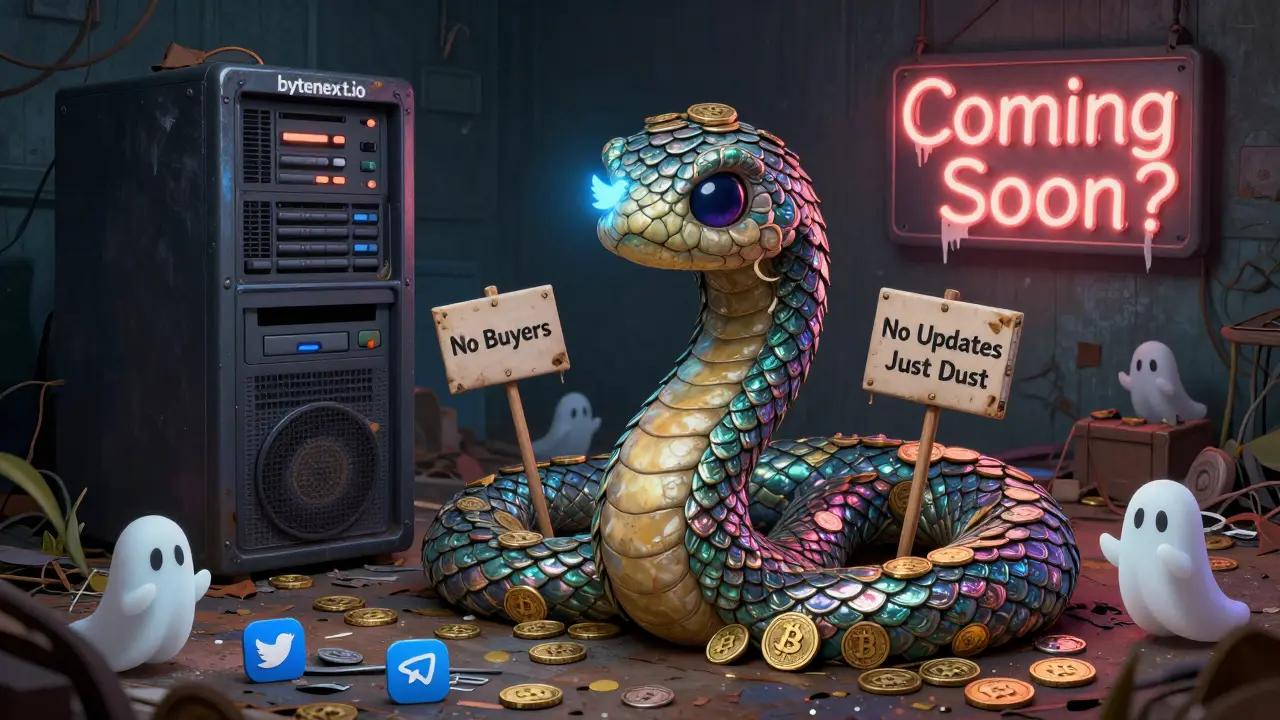
ByteNext still has a website: bytenext.io. They still have Twitter. Their GitHub repo is still active - last commit was in early 2024. But there are no new features. No marketing. No updates. The Telegram group is quiet. The Facebook page hasn’t posted since 2023. It’s not dead - it’s just not alive either.
If you got BNU in that airdrop, you still have it. But unless you’re holding it as a curiosity - or hoping for a revival - it’s essentially worthless. No exchange will list it again unless volume spikes. And volume won’t spike unless the platform does something real.
So what can you learn from this?
- Airdrops aren’t free money. They’re a test. If the project doesn’t deliver, your tokens sit there.
- Utility matters more than hype. BNU had strong use cases - but only if people used the platform.
- BSC wallets are fine, but if the project doesn’t solve a real problem, no amount of token rewards will save it.
- Don’t chase airdrops just for the tokens. Chase them if you believe in the product. Otherwise, you’re just collecting digital dust.
ByteNext’s story isn’t unique. Hundreds of NFT projects launched airdrops in 2021-2023. Most failed. A few survived by pivoting. A few got bought. Most? Just vanished from Twitter feeds and CoinMarketCap lists.
The BNU airdrop gave 1,000 people a chance to be part of something new. But new doesn’t mean sustainable. And without ongoing effort, even the best ideas turn into ghost tokens.
Right now, the only people still tracking BNU are the ones who got it in the airdrop - and they’re waiting. For what? A comeback? A buyout? A new team? No one knows. But the market isn’t waiting. It moved on.
What Was the BNU Token Used For?
BNU wasn’t just a speculative asset. It was built as a utility token for the AvatarArt NFT marketplace. Here’s how it worked:
- Transaction Fees - Every time you listed, bought, or sold an NFT on AvatarArt, you paid a small fee in BNU.
- Advertising - Artists could spend BNU to promote their NFTs in the platform’s 3D virtual galleries, which acted like digital art exhibitions.
- Authorization Payments - If someone wanted to use your NFT in a commercial project (like a game or video), they paid you in BNU for usage rights.
- Staking and Farming - Users could lock up BNU and NFTs together in liquidity pools to earn more tokens over time.
- Voting - Token holders voted on which artworks should be featured in the platform’s spotlight sections.
- Governance - Major changes to the platform, like fee structures or new features, required BNU holder approval.
That’s a solid set of use cases - on paper. But without users, none of it mattered. No one paid fees. No one bought ads. No one staked. No one voted. The token became a placeholder - a digital artifact with no function.
Why Did the BNU Airdrop Fail to Sustain the Project?
Airdrops can spark interest, but they can’t create demand. ByteNext made three key mistakes:
- They built for artists, not collectors. The platform focused on giving artists tools - but didn’t attract buyers. NFTs need both sides of the market.
- They didn’t simplify onboarding. Requiring a BSC wallet and BNB for gas turned off casual users. Many people who joined the airdrop didn’t even know what a wallet was.
- They didn’t market beyond the airdrop. After July 2023, there was no push. No influencer campaigns. No partnerships. No blog posts. Just silence.
Compare that to Blur.io, which launched a similar airdrop in 2023 and then spent millions on marketing, liquidity incentives, and community events. Blur now has over 1 million users. ByteNext? No public user numbers. No growth. No movement.
Can You Still Claim BNU Tokens?
No. The airdrop ended in July 2023. The claim period closed. The tokens were distributed. There are no future airdrops planned - and no official announcement suggesting any will happen.
If you didn’t complete the tasks by July 8, 2023, you missed it. No exceptions. No extensions. No secret backdoor.
Some sites still list fake “BNU claim links.” Avoid them. They’re scams. ByteNext never asked for private keys or seed phrases. If a site says you can still claim BNU, it’s trying to steal your wallet.
What’s the Current Status of BNU?
As of January 2026:
- Price: $0.00054 (down 99.9% from peak)
- 24-hour volume: $6.36 (Coinbase)
- Market cap: $120,584 (based on 200 million circulating supply)
- Exchanges: Only listed on a few small platforms. Not on Binance, Coinbase Pro, or Kraken.
- Trading activity: Effectively dead. No meaningful buyers or sellers.
- Project activity: No updates since 2024. Website and socials are inactive.
There’s no official statement from ByteNext about the project’s future. No roadmap. No team changes. No new features. The silence speaks louder than any press release.
Should You Buy BNU Now?
Unless you’re a collector of failed crypto projects - or you believe ByteNext will suddenly revive with a new team, funding, and marketing push - buying BNU now is pure speculation.
There’s no catalyst. No news. No development. Just a token with zero liquidity and a fading memory of an airdrop that happened over two years ago.
If you already hold BNU, you can keep it. But don’t expect it to rise. Treat it like a digital souvenir - not an investment.
What Are the Alternatives to BNU?
If you’re looking for active NFT marketplaces with real utility tokens, here are a few that still matter:
- Blur - Built for traders, with a strong token economy and active community.
- OpenSea - Still the largest NFT marketplace. No native token, but supports all major chains.
- LooksRare - Uses its own token (LOOKS) for rewards and governance.
- SuperRare - Focused on high-value digital art with strong artist curation.
These platforms have volume, users, and active development. BNU doesn’t.
Did the ByteNext airdrop really give out 25,000 BNU tokens?
Yes. The airdrop distributed exactly 25,000 $BNU tokens across 1,000 winners, with each recipient getting 25 tokens. This was confirmed through CoinMarketCap’s campaign page and blockchain records showing the token distribution on July 30, 2023.
Can I still join the BNU airdrop?
No. The airdrop ran from July 3 to July 8, 2023. The window closed. No further airdrops have been announced, and there is no official way to claim BNU tokens today.
Is BNU still tradable on major exchanges?
No. BNU is not listed on Binance, Coinbase Pro, or Kraken. It only trades on a few small, low-volume exchanges, with daily trading volume under $10. Liquidity is effectively nonexistent.
What was the purpose of the BNU token?
BNU was designed as the utility token for the AvatarArt NFT marketplace. It was used to pay listing fees, buy digital ad space in 3D galleries, pay artists for usage rights, stake for rewards, vote on featured art, and participate in platform governance.
Why did the BNU project fail?
The project failed because it didn’t attract enough artists or collectors to make the marketplace viable. After the airdrop hype faded, there was no marketing, no updates, and no user growth. Without activity, the token lost all utility and value.
Are there any scams related to the BNU airdrop?
Yes. Fake websites claiming you can still claim BNU tokens are common. These are phishing scams designed to steal your wallet seed phrase or private key. ByteNext never asks for this information. If a site asks for it, leave immediately.
Should I hold onto my BNU tokens?
Only if you’re keeping them as a historical artifact. There’s no evidence the project will revive. The token has no liquidity, no development, and no demand. Holding it won’t make you money - but it won’t cost you anything either.
17 Comments
This is why I never trust airdrops. You think you're getting free money but it's just a trap to get your email and wallet. ByteNext didn't fail because of tech. They failed because they thought people cared about their little NFT museum. LOL.
The real tragedy here isn't the token price. It's the wasted potential. The utility design was thoughtful-staking, governance, advertising in 3D galleries. But without community-building, even the most elegant systems collapse. This is a case study in how not to transition from hype to habit.
So let me get this straight-you spent 5 minutes doing Twitter retweets and now you're salty because you didn't become a crypto billionaire? The airdrop wasn't a lottery ticket. It was a test. And you failed the test by not caring enough to even open the platform after claiming. Pathetic.
Look, I'm not saying BNU was a good project, but comparing it to OpenSea is like comparing a hand-drawn sketch to a Rembrandt. AvatarArt had vision-it just lacked the infrastructure to scale. The BSC wallet requirement? That was actually smart. It filtered out the degens. The problem was no one told the artists why they should care. No onboarding. No tutorials. Just 'here's your token, go wild.' And then silence. The real villain here is the crypto community's attention span.
Airdrops are just crypto’s version of free samples at Costco. You take the cheese, you never come back. ByteNext didn’t fail-they were just too honest. They didn’t promise moon. They just said ‘try it.’ And everyone said ‘nah’ and moved on to the next rugpull. BNU’s dead. Long live the next ghost token.
I remember the day the tokens hit my wallet... I opened MetaMask, stared at the 25 BNU, and felt... nothing. Not excitement. Not disappointment. Just this hollow, quiet emptiness. Like finding a letter from a past self you no longer recognize. That’s what this is. Not a failure. A funeral. For a dream that never had a chance to breathe.
I was one of the 1000 winners. I still have my BNU. I didn’t use it because I didn’t understand the platform. But I still check the price once a month. Not because I hope it goes up. Just to see if anyone else is still looking. No one is. That’s the saddest part.
This is why I hate crypto. People get airdrops like it’s Christmas and then act like they’re owed a mansion. The project didn’t owe you anything. You signed up for a test. You didn’t even bother to learn what the token did. Now you’re mad because the magic fairy didn’t show up with a Lamborghini? Grow up.
Bro I got my 25 BNU and I used it to buy a digital cat NFT on AvatarArt and then I sold it for 10 BNU and then I staked it and then I voted for the next featured artist and then the whole thing just vanished like a dream I had after eating too much curry
I didn’t claim BNU. But I read this whole post. It’s a quiet reminder that tech without people is just noise.
You know what’s worse than a dead token? The people who still post in Telegram groups saying ‘BNU will moon again’ like it’s some sacred promise. You’re not holding an investment-you’re holding a tombstone. And you’re the one digging the grave.
i think i still have some bnu in my wallet? i dont even remember how i got it. maybe i did the twitter thing. idk. its just sitting there. like a forgotten birthday card.
In India, we have a saying: 'A tree with no roots cannot bear fruit.' BNU had the branches-governance, staking, ads-but no roots. No users. No trust. No community. The airdrop was the seed. But no one watered it. That’s not the project’s fault alone. It’s ours too.
The fundamental flaw in BNU’s design was the assumption that utility alone would drive adoption. This is a textbook case of misaligned incentives. Token utility must be embedded in user behavior loops, not layered atop them. The friction of BSC wallet + gas fees created a non-trivial barrier. Compare this to Blur’s gamified liquidity incentives-BNU was a silent candle in a hurricane.
American crypto projects think they can just slap a Twitter campaign on a half-baked DApp and call it innovation. BNU didn’t fail because of tech. It failed because of entitlement. People wanted free money, not a platform. And now they’re mad the magic didn’t happen? Get a job.
I’m genuinely shocked anyone thought this would work. BNU was a vanity project dressed in blockchain clothes. Real utility tokens like LOOKS or $BLUR have active teams, real partnerships, and marketing budgets. ByteNext? They had a GitHub repo and a prayer. The fact that it even got listed on Coinbase is a joke. And now we’re all supposed to feel bad for the 1000 people who got 25 tokens? Please.
This is why I don’t trust any airdrop that asks you to follow Twitter accounts. It’s not a test-it’s a data harvest. They didn’t care about your wallet. They cared about your social graph. And now that they’ve got your info, they ghosted you. Classic. And you fell for it. Again.