
Most utility tokens fail. Not because the tech is broken, but because no one actually uses them. You can build the most elegant smart contract on Ethereum, but if your token doesn’t solve a real problem for real people, it’s just digital noise. The question isn’t how to launch a token-it’s how to create utility token value that sticks.
Start with a Problem, Not a Token
Don’t begin by asking, "What kind of token should we make?" Start with: "What do our users struggle with today?" The best utility tokens emerge from friction points in existing systems. Think of a decentralized file storage service where users pay in tokens to upload files and earn tokens when they share unused storage space. Or a local marketplace where sellers pay a small token fee to list items, and buyers use tokens to get discounts. The token isn’t the product-it’s the grease that makes the system run smoother.Look at projects like Filecoin or Arweave. They didn’t start with a token. They started with a problem: storing data permanently without relying on Amazon or Google. Their tokens became valuable because they were the only way to access the service. If your token doesn’t unlock something users can’t get elsewhere, it’s just a fancy coupon.
Design Tokenomics That Reward Usage, Not Just Speculation
Tokenomics is the engine behind token value. Most projects mess this up by flooding the market with tokens and hoping prices rise. That’s gambling, not design. Real utility tokens thrive on controlled supply and usage-based demand.Here’s what works:
- Token burning: Every time someone pays a fee to use the service, a portion of the token is destroyed. This slowly reduces supply as usage grows. Projects like Binance burn BNB quarterly based on trading volume.
- Staking rewards: Users who hold tokens can lock them up to earn more tokens-only if they’re actively participating. This isn’t just passive income; it’s alignment. If you’re staking to help secure the network or vote on upgrades, you’re invested in its success.
- Buy-backs from revenue: If the protocol earns money (from fees, subscriptions, or services), use part of it to buy tokens on the open market and burn them. This creates a direct link between business health and token value.
Don’t give away 30% of your tokens to early investors. That’s how you get dumped on day one. Instead, allocate 15% to the team with a 3-year vesting schedule, 20% to a community treasury, 10% to ecosystem grants, and the rest to early users who actually use the product. The goal isn’t to make investors rich-it’s to make users loyal.
Build Network Effects Into the Core
A single user doesn’t create value. A network does. The more people use your token, the more useful it becomes-and the more others want to join. That’s the network effect, and it’s the secret sauce behind successful tokens.How do you trigger it?
- Make the token required for participation. If you can’t access the platform without it, people will find a way to get it.
- Encourage referrals. Give users extra tokens for bringing in new users who actually engage.
- Let users earn tokens by contributing. Developers who build tools on your platform? Reward them. Moderators who keep the community clean? Pay them in tokens.
Think of Uber. One driver doesn’t make a ride-hailing service. A hundred thousand drivers and five million riders do. Your token should work the same way-each new user makes the system better for everyone else.

Choose the Right Blockchain-It Matters More Than You Think
You can’t build a utility token on just any chain. The platform you pick affects cost, speed, security, and adoption.Here’s what’s working in 2026:
| Platform | Best For | Transaction Cost | Speed | Why It Works |
|---|---|---|---|---|
| Ethereum | DeFi, complex smart contracts | High | Medium | Most secure, largest developer base, best interoperability |
| Solana | Gaming, high-frequency apps | Very low | Extremely fast | Handles 65,000 TPS; ideal for real-time interactions |
| Polygon | Ethereum-compatible apps needing low fees | Low | Fast | Leverages Ethereum’s security without the cost |
| Avalanche | Enterprise use, custom subnets | Low | Fast finality | Custom blockchains for different user groups |
| Base (Coinbase) | Consumer apps, onboarding beginners | Very low | Fast | Integrated with Coinbase’s 100M+ users |
If your users are everyday people, not crypto traders, pick a chain with low fees and easy onboarding. Base or Polygon make more sense than Ethereum for most consumer apps. If you’re building a DeFi protocol, Ethereum’s security is worth the cost.
Align Incentives Across All Stakeholders
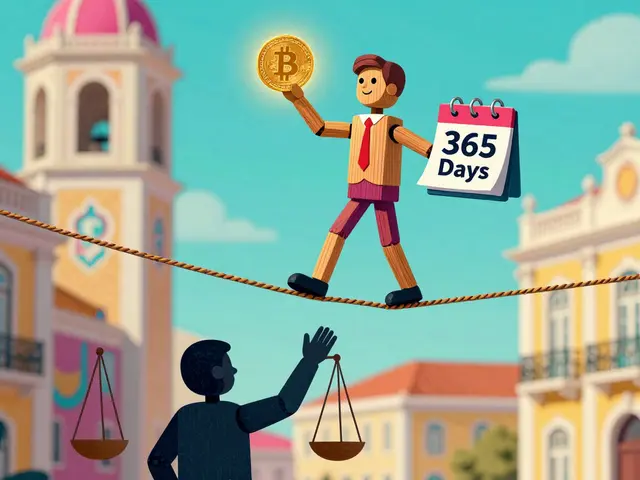
A utility token only works if everyone wins. That means aligning incentives for users, developers, team members, and investors.- Team vesting: No one should get their full token allocation upfront. A 4-year vesting schedule with a 1-year cliff is standard. If your founder cashes out after 6 months, you’ve signaled failure.
- Treasury management: Set aside 15-25% of tokens in a community-controlled treasury. Use it to fund bug bounties, marketing, developer grants, and partnerships-not to pay salaries.
- Developer incentives: Offer token rewards for building plugins, integrations, or tools that expand your ecosystem. The more third-party apps use your token, the more valuable it becomes.
- Investor alignment: If investors get tokens, tie their release to milestones-like hitting 10,000 active users or launching a key feature. No more “private sale, public dump.”
The goal isn’t to make money off your token. It’s to make your token make money for the people who use it.
Launch With Real Demand, Not Hype
Too many projects spend six months building a token and then throw a $50,000 marketing campaign. That’s backwards.Here’s how to launch right:
- Build a working prototype. Not a whitepaper. Not a landing page. A real, usable product-even if it’s just a beta.
- Give tokens to your first 100 users. Not for free. For contribution. They help test, report bugs, suggest features.
- Let them earn more tokens by using it daily. Track their activity. Show them how their usage increases their token balance.
- Only after 3 months of real usage, open the token to the public.
When you launch, you’re not selling a token-you’re inviting people into a system that already works. That’s how you avoid the “pump and dump” trap.

Compliance Isn’t Optional-It’s Your Shield
In 2026, regulators are watching. The SEC, MiCA in Europe, and similar frameworks elsewhere are cracking down on tokens that act like securities. Don’t assume you’re too small to matter.Key moves to stay safe:
- Don’t promise returns. Say “this token gives access to X service,” not “this token will go up in value.”
- Use standard protocols: ERC-20 for Ethereum, BEP-20 for BSC, SPL for Solana. Avoid custom tokens unless you have legal counsel.
- Implement KYC for institutional investors or large purchases. Don’t let anonymous wallets buy 10% of your supply.
- Work with legal advisors who specialize in blockchain-not general corporate lawyers.
Compliance doesn’t kill innovation. It protects it. A project that plays by the rules lasts longer than one that gets shut down.
Measure What Matters
You can’t improve what you don’t measure. Forget price charts. Focus on these metrics:- Active token users: How many unique wallets use the token weekly?
- Token velocity: How often is the token moved? High velocity means it’s being used, not hoarded.
- Revenue generated through the token: Are people paying fees, subscriptions, or tips in your token?
- Token burn rate: How much is being destroyed per month? Rising burns mean growing usage.
- Staking participation: What percentage of total supply is locked up?
If your token’s price drops but these numbers go up, you’re building real value. If the price rises but usage flatlines, you’re in trouble.
What Happens When It Works?
The best utility tokens don’t feel like investments. They feel like tools. Like PayPal in 2000-not a stock, but the only way to send money online. Like Spotify in 2011-not a speculation, but the only way to stream music legally.When your token becomes essential, people stop asking, "Why should I hold this?" They ask, "How do I get more?" That’s when the virtuous cycle kicks in: more users → more usage → more burns → higher scarcity → more demand → more value. And the cycle repeats.
It’s not magic. It’s mechanics. Good tokenomics, real utility, aligned incentives, and patient growth. That’s how you create lasting value-not hype, not influencers, not FOMO.
Can a utility token have a price without real usage?
Yes, but only temporarily. Speculators can drive prices up based on hype, but without real usage, demand collapses. Tokens without utility are like empty storefronts-no one walks in, and eventually, the rent stops being paid. Real value comes from consistent, measurable activity within the ecosystem.
How do I prevent my token from being dumped right after launch?
Lock up team and investor tokens with multi-year vesting schedules. Don’t release more than 5-10% of the total supply at launch. Reward long-term holders with staking, voting rights, or exclusive access. Make holding more rewarding than selling.
Should I list my token on exchanges right away?
No. Wait until you have at least 5,000 active users and a clear usage pattern. Early exchange listings attract speculators, not users. Focus on organic growth first. Once the token is actively used, exchanges will come to you-not the other way around.
Can utility tokens be used for payments outside the ecosystem?
They can, but that’s not their purpose. If your token becomes widely accepted as a payment method, it’s likely becoming a currency-which changes its legal status and risks classification as a security. Stick to its core utility. If it’s meant for accessing a service, keep it inside that service.
What’s the biggest mistake people make when creating utility tokens?
They design the token first and the product second. The token is just the fuel. The product is the car. If the car doesn’t work, no amount of fuel will get you anywhere. Start with a real problem, build a solution people want, then add the token to make it run better.
Creating utility token value isn’t about coding smart contracts or running airdrops. It’s about building systems where people are rewarded for participating-and where their participation makes the whole thing stronger. That’s the only kind of value that lasts.


12 Comments
Bro this is literally the only post on crypto that doesn’t sound like a shill ad 🤡 I’m so tired of people treating tokens like lottery tickets. The part about Filecoin and Arweave? YES. Token = grease, not glitter.
Also why is everyone still trying to launch on Ethereum for consumer apps? 😭
You think regulators are watching? They’re already building quantum algorithms to trace every wallet. They know you’re lying about ‘utility’. This is all just Wall Street 2.0. Wake up.
The section on tokenomics is exceptionally well-articulated. Token burning aligned with usage metrics is not merely a mechanism-it is a structural incentive for network integrity. The Binance BNB model remains the gold standard for transparency and sustainability.
I love this post so much i cried a little 🥹 My village in Nigeria we use mobile airtime as token for everything now imagine if we had real utility token for local trade no more middlemen no more fees no more scams
we need base chain here please
So we’re just supposed to ignore that 97% of these ‘utility’ tokens are just rug pulls with a whitepaper?
Also ‘compliance is your shield’? Cute. The SEC doesn’t care if you say ‘access’ not ‘return’. They’ll still come for you.
This is the kind of content that makes me believe in crypto again. Not the ‘moon boys’ or the ‘degen traders’-but the builders who actually care about systems that serve people.
That line about ‘the token is the fuel, the product is the car’? Print that on a poster and hang it in every Web3 office.
This is why America is losing. You think some Nigerian mom using tokens to buy yams is ‘utility’? This is just crypto colonialism dressed up as empowerment. Real value is in Bitcoin. Everything else is theater.
I’ve seen 500 token projects. Only 3 survived. They all followed this exact framework. The key is user onboarding before token launch. If you’re not giving tokens to beta testers who actually use the product, you’re just selling dreams.
Token velocity metrics are overrated. You can game that with wash trading. What matters is the depth of interaction-how many unique actions per wallet, not just how often it moves. Most analytics dashboards lie to you.
I love how this post says ‘don’t list on exchanges right away’ but then recommends Base because of Coinbase’s 100M users. That’s not organic growth-that’s a backdoor to pump-and-dump. You can’t have it both ways.
If a utility token becomes essential, does it cease to be a token? Or does it become something else-a protocol layer, a public good, a social contract? We’re not just building financial instruments. We’re building new forms of collective behavior.
This is the blueprint. I’m sharing this with every founder I know. The part about treasury funding bug bounties and grants instead of salaries? Pure genius. And the 3-month real usage before launch? That’s the difference between legacy and legacy-busting. Keep building, keep thinking.