Best Crypto Exchange for Beginners and Traders in 2025
Find the best crypto exchange for your needs in 2025. Compare Kraken, Coinbase, Binance US, and Uphold on fees, security, staking, and ease of use to make the right choice.
When you're trading crypto in the U.S., Binance US, a regulated cryptocurrency exchange built specifically for American users. Also known as Binance.US, it's one of the few major platforms that still lets U.S. residents trade without jumping through legal hoops. Unlike the global Binance platform, which got shut down in the U.S. over regulatory issues, Binance US was created to follow strict American rules—KYC, AML, and state-by-state licensing. That means fewer coins, slower withdrawals, and more paperwork—but also more legal protection if things go wrong.
What you get in return is a clean, simple interface with low trading fees, support for major coins like Bitcoin, Ethereum, and Solana, and direct fiat on-ramps via bank transfers. It’s not as wild as some offshore exchanges, but that’s the point. If you’re in the U.S., you’re not here for obscure tokens or leveraged bets—you’re here to buy and hold with some level of safety. That’s why crypto exchange, a platform where users can buy, sell, or trade digital assets. Also known as cryptocurrency trading platform, it is one of the most trusted names for beginners and casual traders. But it’s not perfect. The list of supported tokens is smaller than other exchanges, and customer support can be slow when things go wrong. And while it’s safer than unregulated platforms, it’s still not FDIC-insured—so if the exchange gets hacked, you’re on your own.
Regulation is the biggest difference between Binance US and its global sibling. Because it’s bound by U.S. laws, it had to cut dozens of tokens that didn’t meet SEC guidelines. That’s why you won’t find things like DOGE or SHIB on the main trading page—those are risky, speculative assets that regulators don’t like. Meanwhile, US crypto regulations, a set of federal and state laws governing how digital assets are traded, taxed, and reported. Also known as crypto compliance rules, they keep changing. Some states ban certain trading features entirely. Others require extra licenses. That’s why Binance US can’t offer futures or margin trading like it does overseas. It’s not holding back on purpose—it’s being forced to.
Security is another big reason people choose Binance US. It keeps most funds in cold storage, uses two-factor authentication by default, and has insurance for certain types of losses. That’s more than you can say for many smaller exchanges, especially the ones with no KYC and zero transparency. But don’t get lazy. Even with strong security, you still need to use a hardware wallet for long-term storage. crypto security, the practice of protecting digital assets from theft, hacks, and scams. Also known as digital asset protection, it isn’t just about the exchange you pick—it’s about how you manage your keys.
Below, you’ll find real reviews and deep dives into what Binance US actually offers—how its fees stack up against Coinbase, why some users left for other platforms, what coins it still supports, and how its customer service handles real problems. These aren’t marketing pages. These are honest takes from people who’ve used it, lost money on it, or walked away because it didn’t meet their needs. Whether you’re just starting out or you’ve been trading for years, the truth about Binance US is here—and it’s not what you think.
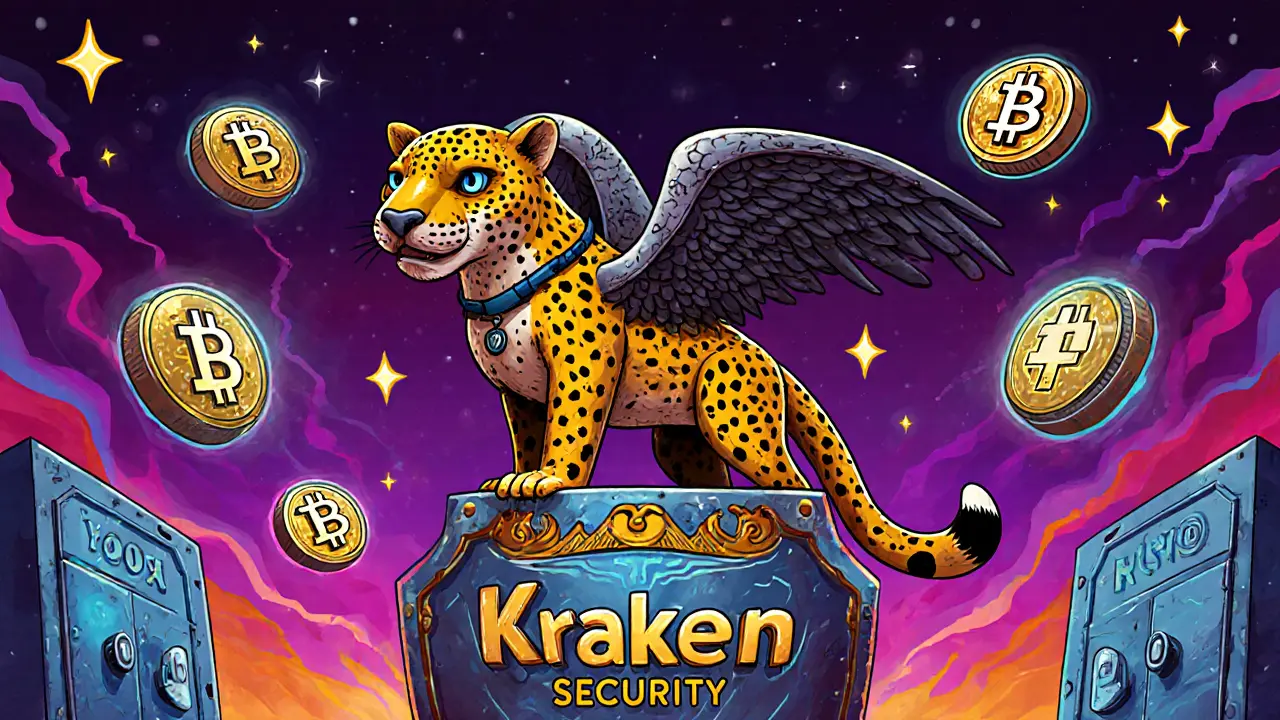
Find the best crypto exchange for your needs in 2025. Compare Kraken, Coinbase, Binance US, and Uphold on fees, security, staking, and ease of use to make the right choice.