

Have you heard of HUA Exchange? If you’ve been scrolling through social media ads or clicking on suspicious links promising high returns, this name might have popped up. But here is the hard truth: as of June 2026, there is no legitimate, regulated cryptocurrency platform operating under the exact name "HUA Exchange."
This isn’t just a minor oversight. Major industry watchdogs, regulatory databases, and top-tier review sites like NerdWallet, Koinly.io, and IOSCO’s International Securities & Commodities Alerts Network have zero records for this entity. In the crypto world, silence from regulators usually means one of two things: the platform doesn’t exist, or it’s a fraudulent operation designed to steal your funds.
If you are looking for a place to trade Bitcoin or Ethereum, stopping here could save you thousands of dollars. Let’s break down why this name is dangerous, what it likely is confused with, and how to verify if any exchange is safe before you deposit a single cent.
The Red Flags of Non-Existent Exchanges
When a crypto exchange is real, it leaves a digital footprint. You can find their API documentation, security audits, team profiles, and user reviews on platforms like Trustpilot or Reddit. For "HUA Exchange," these elements are completely missing.
Legitimate platforms operate in the open because they need trust to function. They publish fee structures, list supported cryptocurrencies, and detail their withdrawal processes. For example, established exchanges like Coinbase and Kraken provide transparent data: Coinbase supports over 235 assets with fees ranging from 0% to 3.99%, while Kraken offers more than 350 coins with fees between 0% and 0.4%.
In contrast, a search for "HUA Exchange" yields nothing but dead ends. There are no technical specifications, no security protocols like multi-party computation (used by Binance and OKX to split seed phrases for safety), and no verifiable user base. This absence is a massive red flag. Scam sites often mimic the look of professional platforms but lack the backend infrastructure to actually process trades or withdrawals.
- No Regulatory Filings: The U.S. SEC and other global bodies require KYC (Know Your Customer) compliance. HUA Exchange appears in none of these filings.
- Zero User Reviews: Legitimate exchanges have thousands of verified users. HUA Exchange has zero mentions on major review aggregators.
- Missing Security Audits: Reputable firms publish third-party security audits. None exist for this name.
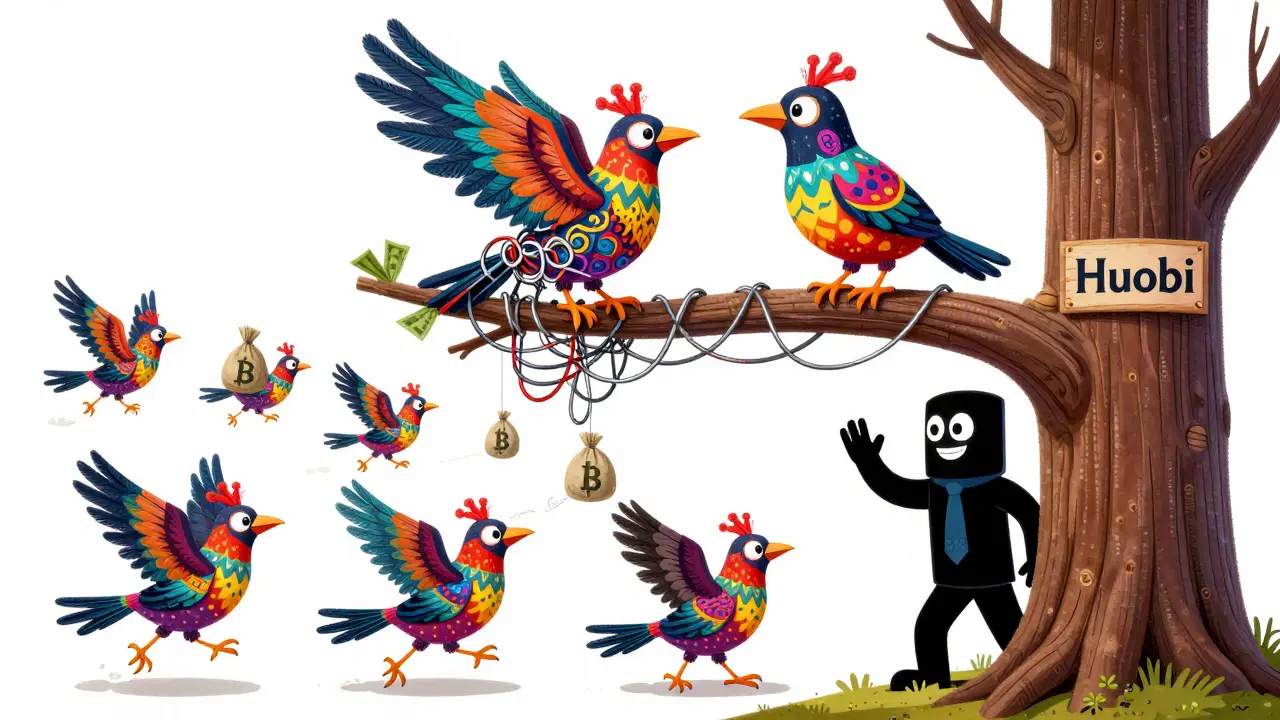
Is It a Misspelling of Huobi Global?
A very common reason people search for "HUA Exchange" is confusion with Huobi Global, which is a well-established cryptocurrency exchange founded in 2013 by Leon Li. Huobi is sometimes abbreviated as "HT" or referred to by its older brand names, but it is never officially called "HUA."
Huobi Global is a real, functioning platform that has operated for over a decade. However, even Huobi has faced regulatory scrutiny in various countries. If you meant to access Huobi, ensure you are using their official domain (huobi.com or their localized equivalents like HTX). Do not click on links labeled "HUA Exchange," as scammers often create fake sites with similar-sounding names to trick users into entering their login credentials.
Another possibility is confusion with smaller, regional platforms. For instance, Coin DCX is an FIU-registered exchange in India, but it operates under a distinct brand identity. Mixing up names in crypto is dangerous because phishing sites rely on this exact confusion. Always double-check the URL and the company’s legal registration details.
How to Spot a Crypto Scam Before You Lose Money
The rise of fake exchanges like the alleged "HUA Exchange" highlights the need for better due diligence. Here is a practical checklist to verify any platform before you sign up:
- Check Regulatory Status: Look for licenses from recognized bodies like the FCA (UK), ASIC (Australia), or state-level registrations in the US. If they claim to be "globally regulated" without naming specific authorities, run away.
- Verify Social Proof: Search for the exchange name on Reddit, Twitter, and Trustpilot. Real companies have mixed reviews-people complain about fees or support. Fake sites have either no reviews or only glowing, generic comments posted on the same day.
- Test Customer Support: Try contacting them via live chat or email before depositing. If responses are slow, automated, or vague, it’s a bad sign. Legitimate exchanges like Uphold may have limitations (e.g., no live phone support), but they still provide clear, helpful written assistance.
- Look for Transparency: Can you find information about who runs the company? Are the founders public figures? Anonymous teams are a major risk factor.
Scammers often use urgency tactics, claiming limited-time bonuses or exclusive tokens. Remember: if it sounds too good to be true, it almost always is. Platforms like Margex, for example, offer documented features like daily rewards for Bitcoin holders, but they do so within a transparent framework. Unverified platforms promise the moon but deliver theft.
Safe Alternatives for Trading in 2026
If you were considering HUA Exchange because you wanted low fees, wide coin selection, or easy onboarding, there are many safer, proven alternatives. These platforms have been vetted by experts and used by millions of traders worldwide.
| Exchange Name | Supported Coins | Fee Range | Key Feature | Regulatory Status |
|---|---|---|---|---|
| Coinbase | 235+ | 0% - 3.99% | User-friendly interface, strong US compliance | Publicly traded, NYDFS licensed |
| Kraken | 350+ | 0% - 0.4% | Low fees, high security reputation | Registered in multiple jurisdictions |
| Binance US | 158+ | 0% - 0.6% | Wide variety of tools, high liquidity | US-based, compliant with local laws |
| Uphold | Thousands of pairs | 0.2% - 2.95% | Direct asset swaps, staking options | Fintech license holder |
These exchanges provide the transparency and security measures that "HUA Exchange" lacks. For instance, Binance uses multi-party computation for cold storage, ensuring that even if hackers breach the system, they cannot move funds without multiple keys. Coinbase processes billions in daily volume with robust insurance coverage for digital assets stored online.
If you are new to crypto, starting with a platform like Coinbase or Kraken is wise. They offer educational resources, customer support, and clear fee structures. Avoid the temptation of unknown platforms that promise higher returns or lower barriers to entry without proper licensing.
What to Do If You Already Deposited Funds
If you mistakenly sent money to a site calling itself "HUA Exchange," act quickly. Time is critical in recovering stolen funds.
- Contact Your Bank or Payment Provider: If you used a credit card or bank transfer, call them immediately. Report the transaction as fraudulent. They may be able to reverse the charge if enough time hasn’t passed.
- Freeze Your Accounts: Change passwords for any accounts linked to the exchange. Enable two-factor authentication (2FA) on all your financial apps.
- Report to Authorities: File a report with the FBI’s Internet Crime Complaint Center (IC3) in the US, or your country’s equivalent cybercrime unit. Provide screenshots, transaction IDs, and any communication you had with the site.
- Warn Others: Share your experience on social media or forums like Reddit. Helping others avoid the same trap is valuable community service.
Recovery is not guaranteed, especially if the funds were converted to untraceable cryptocurrencies. However, reporting it creates a paper trail that can help law enforcement track down operators.
Why Silence From Regulators Is Dangerous
You might wonder why IOSCO or the SEC hasn’t issued a specific warning against "HUA Exchange." The answer lies in how scams operate. Many fraudulent platforms are short-lived. They launch, collect deposits from early victims, and then disappear before regulators can investigate.
IOSCO’s alerts network monitors unauthorized firms, but it takes time to identify and list every scam. The absence of a warning does not mean a platform is safe; it often means it’s too small or too new to have been flagged yet. Conversely, legitimate exchanges actively seek regulatory approval because it builds trust with institutional investors and retail users alike.
In October 2025, Koinly.io analyzed over 100 metrics to rank US crypto exchanges. Their methodology focused on security, USD support, and low fees. "HUA Exchange" did not qualify for inclusion because it failed to meet basic operational standards. This exclusion is a strong indicator that the platform lacks the infrastructure to serve users safely.
Final Thoughts on Crypto Safety
The cryptocurrency market is evolving rapidly, but the core principles of safety remain the same. Never trust a platform based solely on an ad or a referral link. Do your own research. Verify licenses. Check independent reviews. And when in doubt, stick to the giants like Coinbase, Kraken, or Binance US.
"HUA Exchange" serves as a cautionary tale. It represents the risks of engaging with unverified entities in a decentralized space. By staying informed and skeptical, you protect yourself from fraud and ensure that your crypto journey is built on solid ground.
Is HUA Exchange a legitimate crypto platform?
No, there is no verifiable evidence that HUA Exchange is a legitimate platform. It does not appear in regulatory databases, major review sites, or industry reports. It is likely a scam or a misspelling of another exchange like Huobi Global.
Could HUA Exchange be a new version of Huobi?
Huobi Global rebranded to HTX in many regions, but it has never used the name "HUA Exchange." Any site using this name is not affiliated with the original Huobi platform founded by Leon Li. Be cautious of impersonation attempts.
How can I check if a crypto exchange is safe?
Check for regulatory licenses (e.g., from the SEC, FCA, or ASIC), read independent user reviews on Trustpilot and Reddit, and verify the company’s physical address and team members. Legitimate exchanges also publish security audits and fee structures.
What should I do if I lost money to a fake exchange?
Contact your bank or payment provider immediately to dispute the transaction. Report the incident to local cybercrime authorities and the FBI’s IC3. Change your passwords and enable 2FA on all related accounts to prevent further theft.
Are there any reputable alternatives to unknown exchanges?
Yes, established platforms like Coinbase, Kraken, Binance US, and Uphold are widely regarded as safe. They offer transparent fees, strong security measures, and regulatory compliance, making them reliable choices for trading cryptocurrencies.