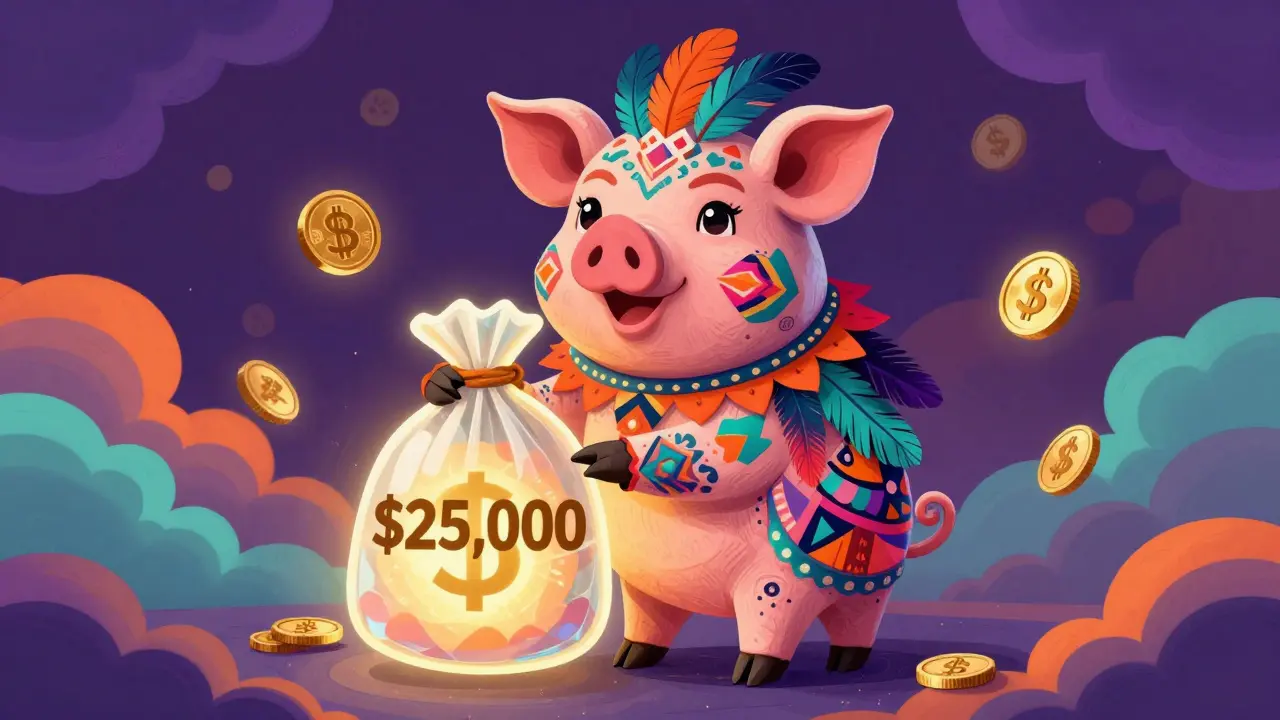


You see the hype. You hear about free tokens. But does PorkSwap actually deliver value, or is it another flash-in-the-pan project? If you are looking at the PSWAP airdrop, which was promoted with a total pool of $25,000 on platforms like CoinMarketCap, you need more than just hope. You need hard data.
Here is the reality check for June 2026. While PorkSwap promised to democratize finance through decentralized spot and futures trading on the Binance Smart Chain, the current market metrics tell a starkly different story. The token price sits at $0 USD. The 24-hour trading volume is $0. The circulating supply is effectively zero. Before you connect your wallet or chase an old claim link, let’s break down exactly what this project is, where the money went, and whether there is any future left to catch.
What Is PorkSwap (PSWAP)?
To understand if the airdrop matters, you first have to understand the asset itself. PorkSwap is a decentralized finance (DeFi) platform designed for spot and futures trading. Unlike many early DeFi protocols that focused solely on swapping tokens, PorkSwap aimed to bring complex financial instruments-specifically futures contracts-into the decentralized space. This is a significant technical challenge because futures require sophisticated oracle feeds, margin management systems, and liquidation engines.
The project built its infrastructure on the Binance Smart Chain (BSC). Why BSC? Because Ethereum gas fees were prohibitive for high-frequency trading activities like futures. By choosing BSC, PorkSwap theoretically offered users faster transactions and lower costs. The native utility token, PSWAP, was intended to govern the protocol, provide fee rebates, and secure the network.
However, intent does not equal execution. As of mid-2026, PorkSwap remains listed as a "preview" or inactive project on major aggregators. This status suggests that while the smart contracts may exist, the active liquidity pools, matching engines, or user interfaces required for actual trading are either dormant, deprecated, or facing severe operational hurdles.
The PSWAP Airdrop: What Actually Happened?
The buzz around PorkSwap largely stems from a specific promotional campaign hosted by CoinMarketCap. This wasn't a random social media giveaway; it was a structured distribution event designed to bootstrap community interest. Here are the concrete details of that campaign:
- Total Value: The airdrop pool was valued at approximately $25,000 USD at the time of distribution.
- Token Amount: A total of 12,500 PSWAP tokens were distributed.
- Winners: Roughly 2,000 participants qualified to receive tokens.
- Payout per Winner: Eligible users received up to 6.25 PSWAP tokens each.
If you participated in this campaign, you likely received these tokens in your compatible wallet (such as Trust Wallet or MetaMask configured for BSC). The critical question now is: what do you do with them? Since the circulating supply is listed as zero and trading volume is non-existent on major exchanges, selling these tokens directly on a centralized exchange like Binance is currently impossible due to lack of liquidity pairs. You might find scattered listings on decentralized exchanges (DEXs) like PancakeSwap, but be warned: without buy-side liquidity, trying to sell even a small amount could result in massive slippage or total loss of value.
Tokenomics and Supply Analysis
Let’s look at the numbers behind the PSWAP token. Understanding the supply dynamics is crucial for assessing scarcity and potential inflation.
| Attribute | Value / Detail |
|---|---|
| Max Supply | 1,000,000 PSWAP |
| Circulating Supply | 0 PSWAP (as per latest aggregator data) |
| Total Supply | 0 PSWAP (locked/unreleased) |
| Blockchain | Binance Smart Chain (BEP-20) |
| Contract Address | 0x4253...b22a19 (Verify on BscScan) |
| Current Price | $0.00 USD |
The discrepancy between the maximum supply (1 million) and the circulating supply (zero) is a red flag worth examining. In healthy DeFi projects, tokens are gradually released to teams, investors, and the community according to a vesting schedule. When the circulating supply hits zero, it usually means one of two things: either the token has been fully redeemed/burned (unlikely given the low volume), or the token simply lacks a viable market venue. It indicates that no active buyers are currently engaging with the asset on tracked exchanges.
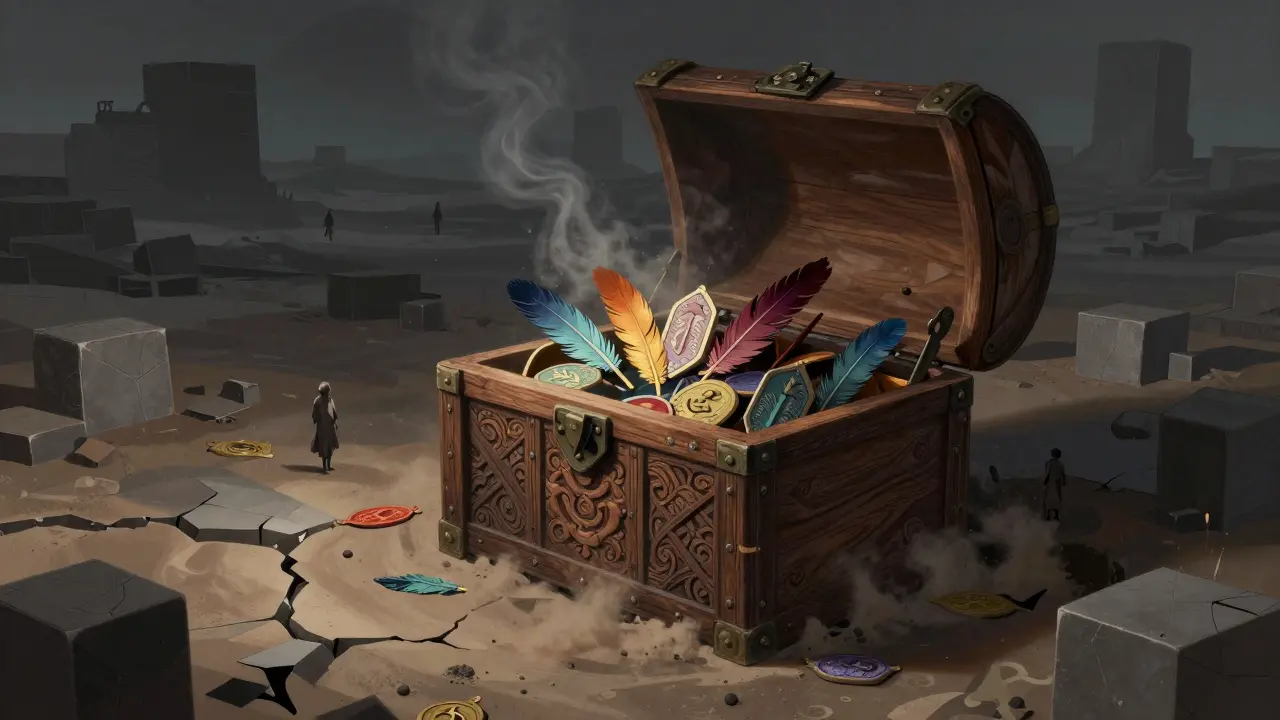
This creates a "ghost town" scenario. You hold the keys to the castle, but there’s no one inside to trade with. For holders of the airdropped tokens, this means your assets are essentially digital collectibles until liquidity returns-or they become permanently illiquid.
Operational Status: Is PorkSwap Dead?
We need to address the elephant in the room. Does a zero trading volume mean the project is dead? Not necessarily, but it signals severe dormancy. Let’s compare PorkSwap’s current state against typical lifecycle stages of DeFi protocols.
Phase 1: Launch & Hype. This is where the airdrop happened. High social media activity, influencer partnerships, and aggressive marketing. PorkSwap successfully navigated this phase, securing listings on Binance (for voucher promotions) and CoinMarketCap.
Phase 2: Liquidity Accumulation. Real users deposit funds. Trading pairs form. Volume spikes. This phase appears to have stalled for PorkSwap. Despite being listed on major platforms, the inability to generate consistent organic volume suggests a failure in product-market fit or user retention.
Phase 3: Maturity or Decline. Projects either evolve into sustainable ecosystems (like Uniswap or dYdX) or fade into obscurity. PorkSwap currently sits in the latter category based on public data. The lack of recent updates, roadmap milestones, or developer activity on GitHub further supports this assessment.
It is possible the team is rebuilding under the radar. However, in the fast-moving world of crypto, silence for extended periods usually correlates with abandonment. Always verify the official Twitter/X account and Discord server for recent, substantive announcements-not just bot-generated spam.
Risks and Red Flags for Investors
If you are considering buying more PSWAP hoping for a revival, or if you are holding airdropped tokens wondering if you should wait, consider these specific risks:
- Liquidity Risk: With $0 volume, you cannot exit your position easily. Even if you find a DEX listing, the spread between buy and sell orders will likely be catastrophic.
- Smart Contract Vulnerability: Older DeFi protocols often contain unpatched bugs. If PorkSwap’s code hasn’t been audited recently, interacting with their contracts could expose your wallet to exploits.
- Opportunity Cost: Capital tied up in illiquid assets misses out on opportunities in active sectors like Layer 2 solutions, AI-integrated blockchain projects, or established blue-chip DeFi protocols.
- Regulatory Uncertainty: Futures trading is heavily scrutinized globally. If PorkSwap did not comply with evolving regulations in key jurisdictions, legal pressures could have forced shutdowns.
Always perform due diligence. Check the contract address on BscScan. Look at the holder distribution. Are most tokens held by a few wallets? That indicates centralization risk. Are there large sell walls? That indicates impending dumps.
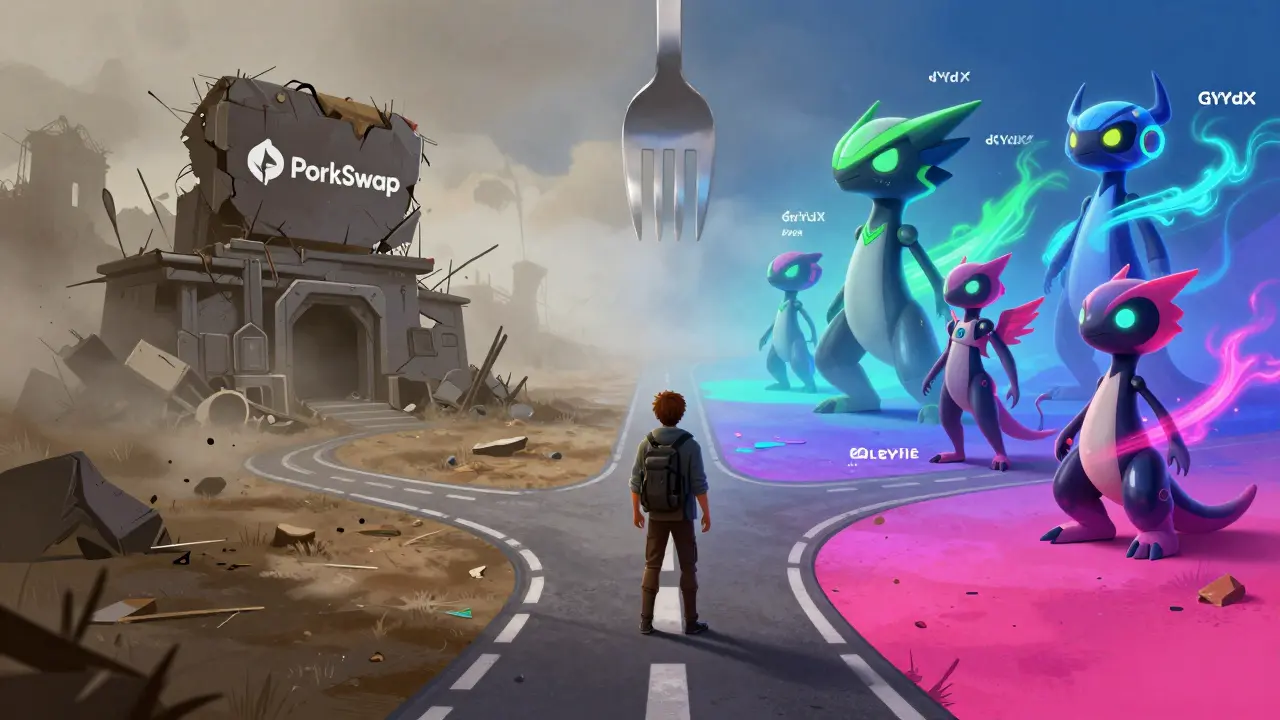
Alternatives to PorkSwap in 2026
If your goal is decentralized futures trading, PorkSwap is no longer a viable option. Fortunately, the landscape has matured significantly since PorkSwap’s peak. Here are robust alternatives that offer similar functionality with proven track records:
- dYdX: A leading decentralized exchange offering perpetual contracts with deep liquidity and advanced order types. Built on its own app-chain for scalability.
- Gmx: Known for its innovative GLP index token model, GMX provides leveraged trading on both Arbitrum and Avalanche networks with minimal slippage.
- Vertex Protocol: A cross-chain order book DEX that brings institutional-grade trading features to multiple blockchains, including Ethereum and Solana.
- Jupiter Perps: Leveraging the speed of Solana, Jupiter offers competitive fees and tight spreads for derivatives traders.
These platforms have active development teams, regular security audits, and millions in daily volume. They represent the current standard for decentralized derivatives trading, unlike the stagnant ecosystem surrounding PSWAP.
Next Steps for Airdrop Holders
So, you have those 6.25 PSWAP tokens sitting in your wallet. What now?
First, do not pay anyone who claims they can "cash out" your tokens for you. These are common scams targeting confused airdrop recipients. Second, monitor the official channels of PorkSwap. If the team announces a relaunch, a new liquidity injection, or a migration to a new chain, act cautiously. Verify all links through trusted sources only.
If no news emerges within the next quarter, treat the tokens as sunk cost. The emotional attachment to "free money" often blinds us to the reality of worthless assets. Redirect your energy toward learning about active DeFi protocols, staking yield-bearing assets, or participating in legitimate, ongoing airdrops for newer, vibrant projects.
Is the PorkSwap airdrop still active in 2026?
No, the primary CoinMarketCap-hosted airdrop distributing 12,500 PSWAP tokens has concluded. Any current offers claiming to distribute free PSWAP are likely scams. Always verify announcements on official verified social media channels.
Why is the PSWAP token price $0?
A price of $0 indicates a complete lack of trading volume on tracked exchanges. Without buyers and sellers actively transacting, aggregators cannot calculate a meaningful market price. This reflects illiquidity rather than intrinsic worthlessness, though it makes selling difficult.
Can I sell my airdropped PSWAP tokens?
Technically, yes, if you find a decentralized exchange (DEX) listing with remaining liquidity. However, due to extreme illiquidity, attempting to sell may result in high slippage, meaning you receive far less value than expected, or the transaction fails entirely. Exercise extreme caution.
Is PorkSwap safe to use for trading?
Given the lack of recent activity, zero volume, and uncertain operational status, PorkSwap is not considered safe for active trading in 2026. Users risk locking funds in dormant smart contracts or encountering outdated, potentially vulnerable code. Stick to actively maintained platforms like dYdX or GMX.
What blockchain is PSWAP built on?
PSWAP is a BEP-20 token built on the Binance Smart Chain (now commonly referred to as BNB Chain). This allows for compatibility with wallets like Trust Wallet and MetaMask, and interaction with BSC-based decentralized exchanges like PancakeSwap.
20 Comments
Another dead project from the BSC graveyard. Honestly, I'm tired of seeing these American-developed scams that promise the moon and deliver nothing but rug pulls. The fact that this token is worth zero isn't a surprise, it's just another example of how crypto culture has become a wasteland for desperate people looking for free money while the real innovators move on to better chains.
The technical analysis here is quite sound regarding the liquidity issues. However, one must consider the broader implications of decentralized futures trading platforms failing to maintain their oracle feeds. It is not merely a matter of 'dead' projects but rather a systemic failure in governance structures that prioritize hype over operational continuity. 🧐
I totally get why people are frustrated with this situation. It's really tough when you put time into an airdrop only to find out the project has stalled. Let's make sure we all look out for each other and share any new info if things change. We're in this together! 💪
They say it's dormant but I suspect the team moved the funds offshore before the SEC could catch wind of the unregistered securities offering. Typical behavior for these entities operating outside our jurisdiction. Always verify the contract address yourself because the aggregators are likely being fed false data by the developers to hide the true holder distribution which probably shows a few wallets holding 90% of the supply.
hey guys just wanted to add that i checked the bscscan recently and there was like one transaction last month from a wallet that looked like a dev wallet moving tokens to a cold storage maybe they are planning something big or maybe they just forgot about it lol 😅 anyway dont expect much action soon though
its basically a ghost town now. the whole concept of decentralised futures on bsc was always flawed becuase the gas fees still spike during high volatility and the oracle delays make arbitrage impossible. so yeah its dead. stop hoping for a miracle and start learning solidity or whatever the cool kids are doing now. 🙄
It is absolutely pathetic that we allow these foreign-backed projects to siphon money from American investors under the guise of innovation. PorkSwap is a clear indicator of the decay in our financial infrastructure. We need stricter regulations to prevent such entities from listing on CoinMarketCap in the first place. This is a national security issue disguised as a tech failure.
I remember when this thing was pumping. Everyone was talking about it on Twitter. Now? Crickets. It's hilarious how fast the memory in this space is. One day you're the next Uniswap, the next day you're a meme coin with no utility. I keep my tokens just to laugh at them every time I check my portfolio.
look at the chart bro its flatlining 💀 why r u even asking this shit. the devs ran long ago. ur tokens r worthless. sell em if u can but u cant cuz no liq. typical degen loss. 😂📉
Sarcasm aside, it is interesting to see how different cultures approach risk in DeFi. In some communities, holding onto illiquid assets is seen as a badge of honor, while elsewhere it's viewed as poor financial management. Perhaps we can learn from both perspectives instead of just mocking those who got burned. Peace and love to all the holders out there trying to make sense of this mess. ✌️
The slippage on PancakeSwap would be insane right now. If anyone tries to sell even 100 tokens they will probably wipe out the entire remaining pool. Its a classic honeypot scenario where you can buy but cant sell without losing everything. Just leave it in the wallet and forget about it. No point stressing over digital dust.
the article is full of bs. obviously the price is zero because the market makers are manipulating the order book to create artificial scarcity. smart investors know to accumulate during these quiet periods. the rest of you sheep will panic sell when the real launch happens next week. wake up sheeple 🤡
Let us reframe this narrative. Instead of viewing this as a total loss, consider it a tuition fee for your education in blockchain analytics. You have learned to identify red flags such as zero volume and inactive GitHub repositories. Use this knowledge to build a stronger portfolio in established protocols like dYdX or GMX. Stay focused and keep moving forward.
Everyone says its dead but what if its actually alive and well and just hiding from the regulators? Maybe the silence is strategic. Maybe the team is building a killer feature that will disrupt the entire derivatives market overnight. You never know until you hold tight. Contrarian view: buy more PSWAP.
As someone who has audited several DeFi protocols, I can confirm that the lack of recent code updates is a significant concern. Smart contracts do not improve themselves; they require constant monitoring and patching against new vulnerability vectors. Without active maintenance, interacting with these contracts poses a genuine security risk to users' funds. Proceed with extreme caution.
Oh my gosh, I actually have 6 tokens sitting in my MetaMask right now! I forgot about them completely. Reading this makes me feel so sad but also relieved that I didn't lose actual money buying them. Thanks for the reality check! Let's hope for the best but prepare for the worst! 🥺💔
why do we care about porkswap when we could be discussing the metaphysical nature of value itself? is a token worth anything if no one believes in it? perhaps the zero price is a reflection of our collective disillusionment with the modern financial system. we are all just pigs in the trough waiting for the slaughter.
This is a very informative post. It helps to understand the lifecycle of DeFi projects. For those interested in alternatives, I suggest looking into projects with strong community governance and transparent development roadmaps. Learning from past mistakes is key to success in this volatile market.
i mean its kinda funny how serious everyone takes these airdrops. its like finding a coupon for a store that closed down years ago. i just leave mine in my wallet as a reminder not to trust shiny objects. casual vibes only here folks no stress no tears just chillin with my useless tokens lol
The comparison between PorkSwap and current leaders like Vertex Protocol highlights the rapid evolution of cross-chain interoperability solutions. While PorkSwap attempted to solve liquidity fragmentation within a single chain, modern protocols leverage atomic swaps and shared liquidity layers to provide superior user experiences. This technological shift renders older, siloed approaches obsolete.