Sustainable vs Unsustainable Yield Farming in Blockchain
Learn how to tell the difference between sustainable and unsustainable yield farming in DeFi. Discover which protocols earn real revenue-and which are just printing tokens to attract users.
In 2025, crypto tax havens like the UAE, Cayman Islands, and El Salvador are no longer simple escapes. The UAE now shares transaction data globally, Cayman privacy is fading, and El Salvador offers no real protection for U.S. citizens. Here’s what actually works now.
Phoenixcoin (PXC) is a 2013-era cryptocurrency designed for CPU and GPU mining. With low trading volume and no major exchange support, it survives as a niche hobbyist coin-not an investment.
The Baby Shark Universe (BSU) airdrop on Binance Alpha offered 510 tokens to users with Alpha Points in August 2025. Learn how it worked, why it mattered, and whether it's worth anything today.
iZiSwap (Mode) offers zero fees and zero slippage on paper, but with only $171 in daily volume and 5 trading pairs, it's more experiment than exchange. Here's what you need to know before using it.
BitKan offers 960+ cryptocurrencies and automated trading bots, but lacks strong regulation and has poor user ratings. Learn why this exchange is risky despite its features.
Wrapped assets let you use Bitcoin on Ethereum and other chains, but they come with trade-offs in security and control. Learn how they compare to native assets in 2025.
PLAY is a utility token from XCAD Network that rewards users with crypto for watching YouTube videos. Learn how it works, who it's for, and whether it's worth your time in 2025.
In 2025, getting a crypto license costs between $2,000 and $150,000 depending on where you apply. Learn the real breakdown of fees, capital requirements, and hidden costs across top jurisdictions like Lithuania, Georgia, Dubai, and Switzerland.
Zero-knowledge proofs let blockchains verify transactions without revealing details. Learn the math behind zk-SNARKs, zk-STARKs, and how they enable privacy and scalability in crypto.
Wrapped USDR (WUSDR) is not a real cryptocurrency. No major exchange, wallet, or blockchain explorer lists it. Learn why it doesn't exist and how to avoid fake wrapped tokens in crypto.
Indonesia's crypto exchange rules changed in 2025 under OJK's new DFA framework. Learn the $6M capital requirement, compliance steps, asset listing rules, and tax changes that now govern crypto trading in the country.
Ultron Swap is a low-volume decentralized exchange built on the Ultron blockchain. With minimal liquidity, no user reviews, and little community engagement, it's not a reliable trading platform - but it may hold potential for early adopters willing to take big risks.
The Baby Shark Universe (BSU) airdrop on Binance Alpha offered 510 tokens to users with Alpha Points in August 2025. Learn how it worked, why it mattered, and whether it's worth anything today.
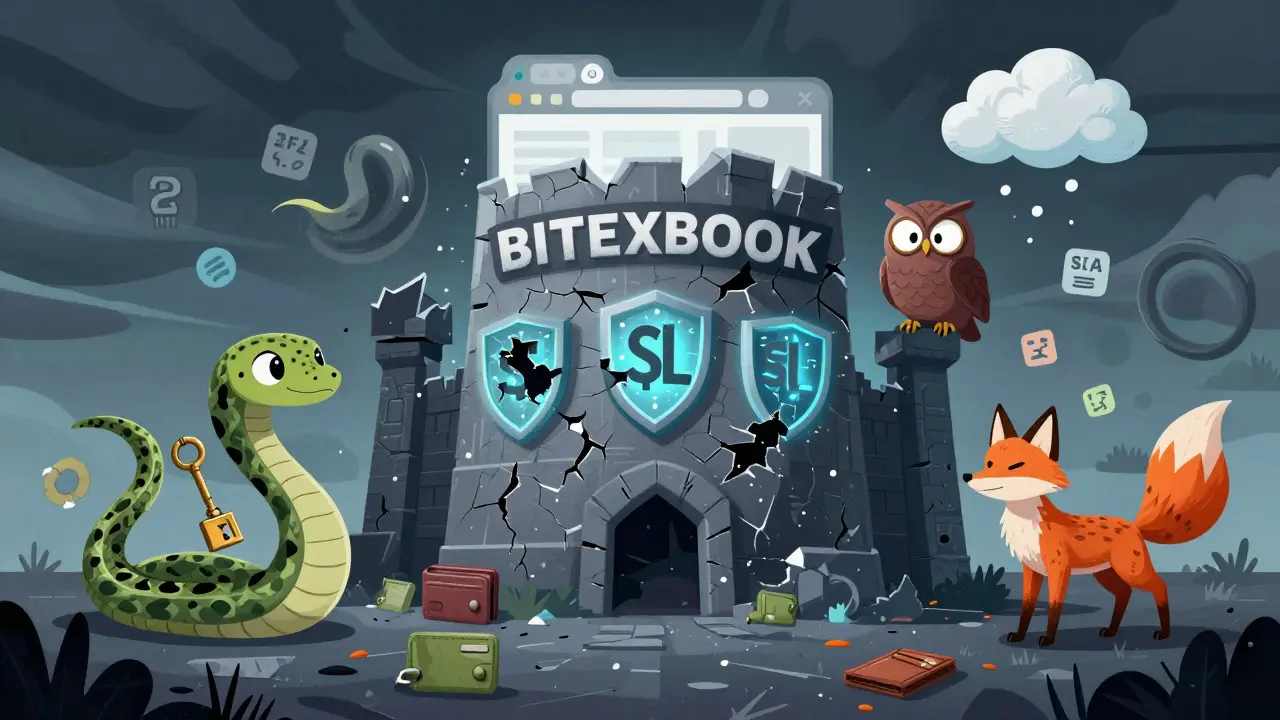
Slashing can erase your staking rewards overnight. Learn how it works, why it happens, and how to protect your crypto from losing 1% to 100% of your stake due to validator errors.
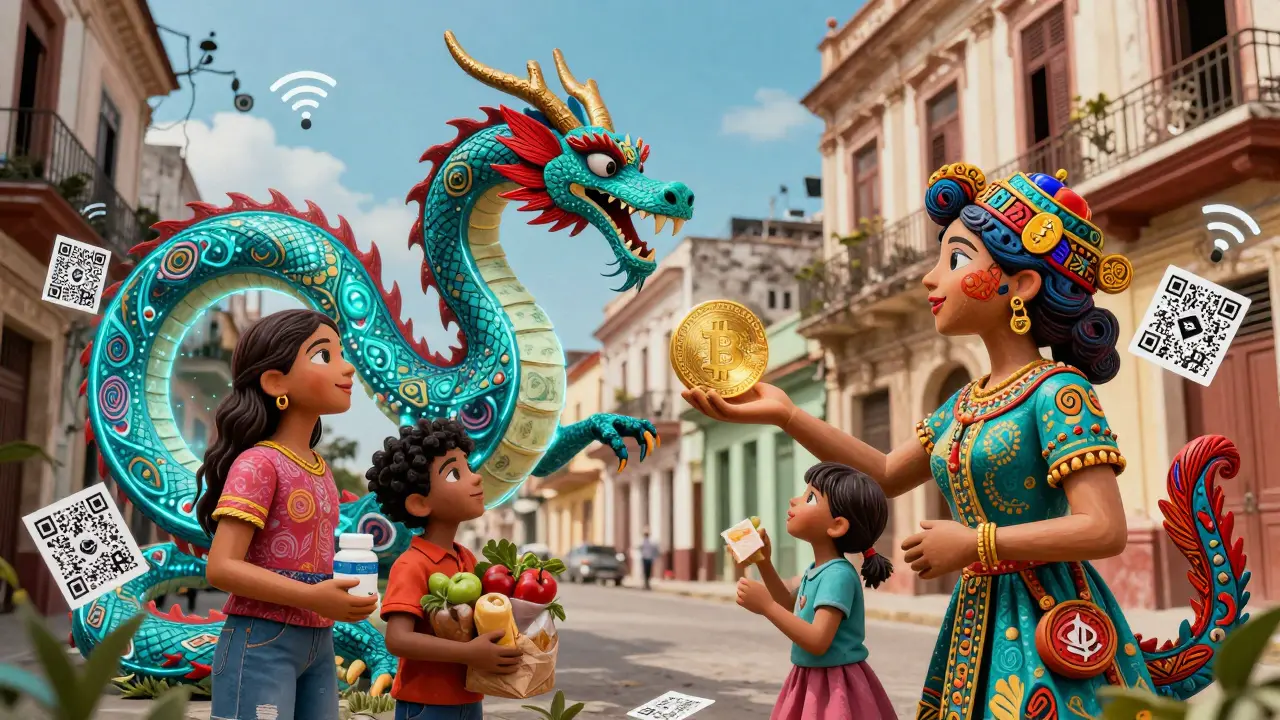
Argentines are turning to crypto like USDT and USDC to protect their savings from runaway inflation, bypassing broken banks and strict currency controls. Stablecoins have become the new digital peso-and for millions, they’re the only way to keep what they earn.
All crypto exchanges in Australia must register with AUSTRAC to legally operate. Learn the 2025 requirements, compliance obligations, and what changes in March 2026-including penalties for non-compliance.