

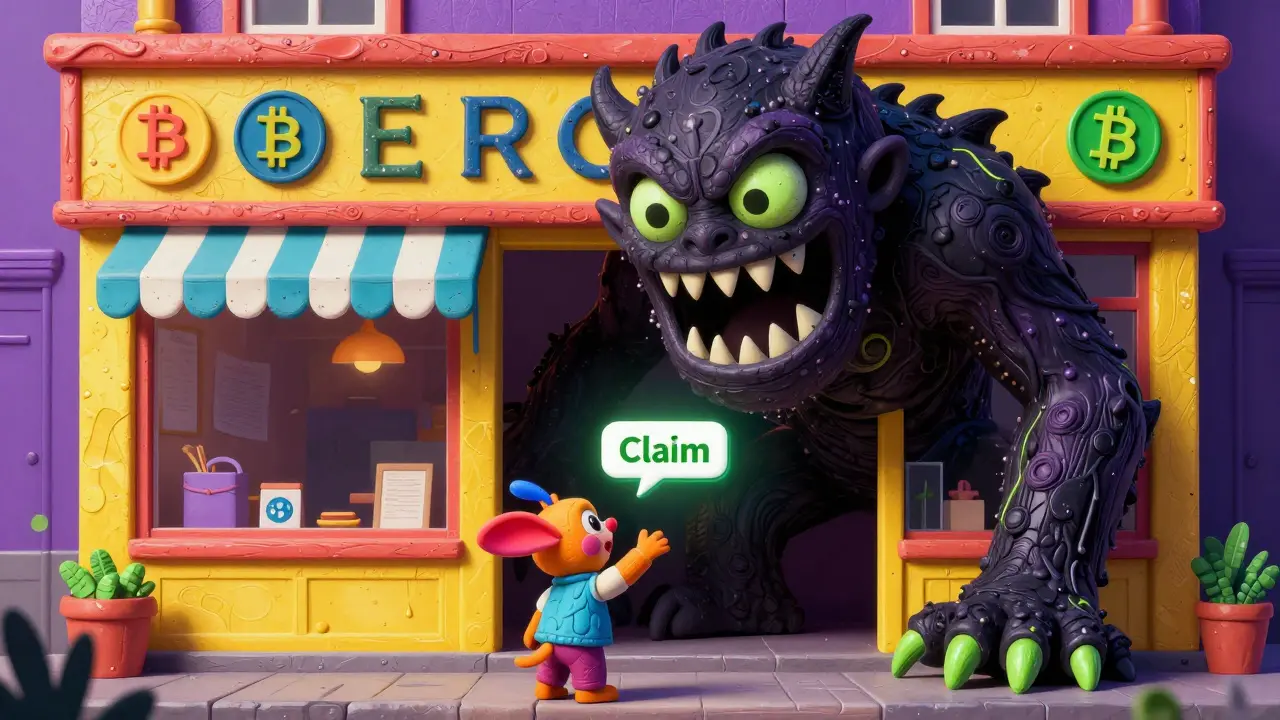
You’ve probably seen the buzz about the ECIO airdrop. Social media feeds are flooding with claims of a massive "Pre-Game Launch" campaign hosted on CoinMarketCap. The promise is tempting: free tokens from a project that supposedly has the backing of one of the biggest names in crypto data. But here is the hard truth you need to hear right now. As of May 2026, there is zero official evidence that this campaign exists.
In fact, if you look at the actual CoinMarketCap website, their airdrop section shows "Current airdrops (0)" and "Upcoming airdrops (0)." This isn't a glitch. It’s a major red flag. When a project claims to partner with a giant like CoinMarketCap, but doesn’t show up on their official page, you are likely looking at a sophisticated phishing attempt. Let’s break down why this specific ECIO campaign smells fishy, how these scams work in 2026, and what you should actually do to protect your wallet.
The Missing Link: Why CoinMarketCap Isn't Listing It
CoinMarketCap operates as a trusted aggregator. They have strict verification processes for any project they list, let alone host an active marketing campaign for. In the past, legitimate partnerships involved clear announcements, dedicated landing pages, and transparent reward pools. If ECIO were truly running a pre-game launch with them, it would be front-and-center on their site.
The absence of the ECIO campaign from CoinMarketCap’s official roster suggests one of three things:
- It’s a complete fabrication. Scammers create fake websites that mimic the look and feel of CoinMarketCap to trick users into connecting their wallets.
- The partnership was never real. Some projects falsely claim endorsements to boost credibility. This is illegal in many jurisdictions and a huge warning sign for investors.
- It’s a private beta not yet public. While possible, reputable projects don’t leak "pre-game" details through unverified social media channels before official press releases.
For a user like you, the risk is high. Connecting your wallet to a fraudulent site can drain your funds instantly. Always verify the URL. If it’s not `coinmarketcap.com`, do not trust it.
How Modern Airdrop Scams Work in 2026
The landscape of crypto scams has evolved. Gone are the days of simple email spam. Today’s attacks are personalized and technical. The "ECIO" case fits the pattern of what experts call "Impersonation Airdrops." Here is how the trap is usually set:
- The Hook: Influencers or bot accounts post screenshots of fake reward dashboards showing thousands of dollars in potential earnings.
- The Bait: Users are directed to a clone website. The design looks professional, often using stolen assets from legitimate brands like CoinMarketCap or MetaMask.
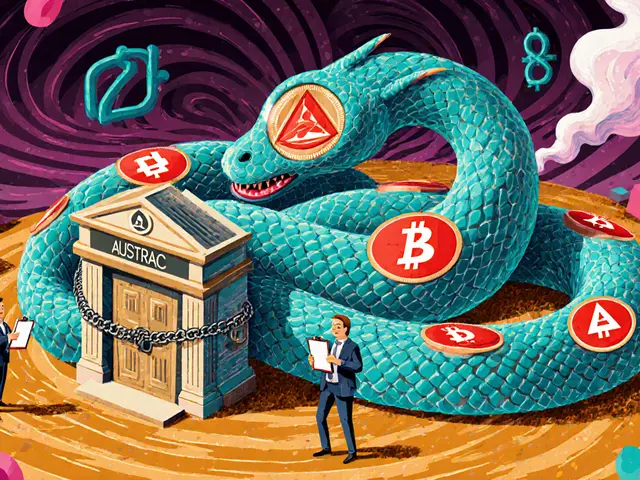
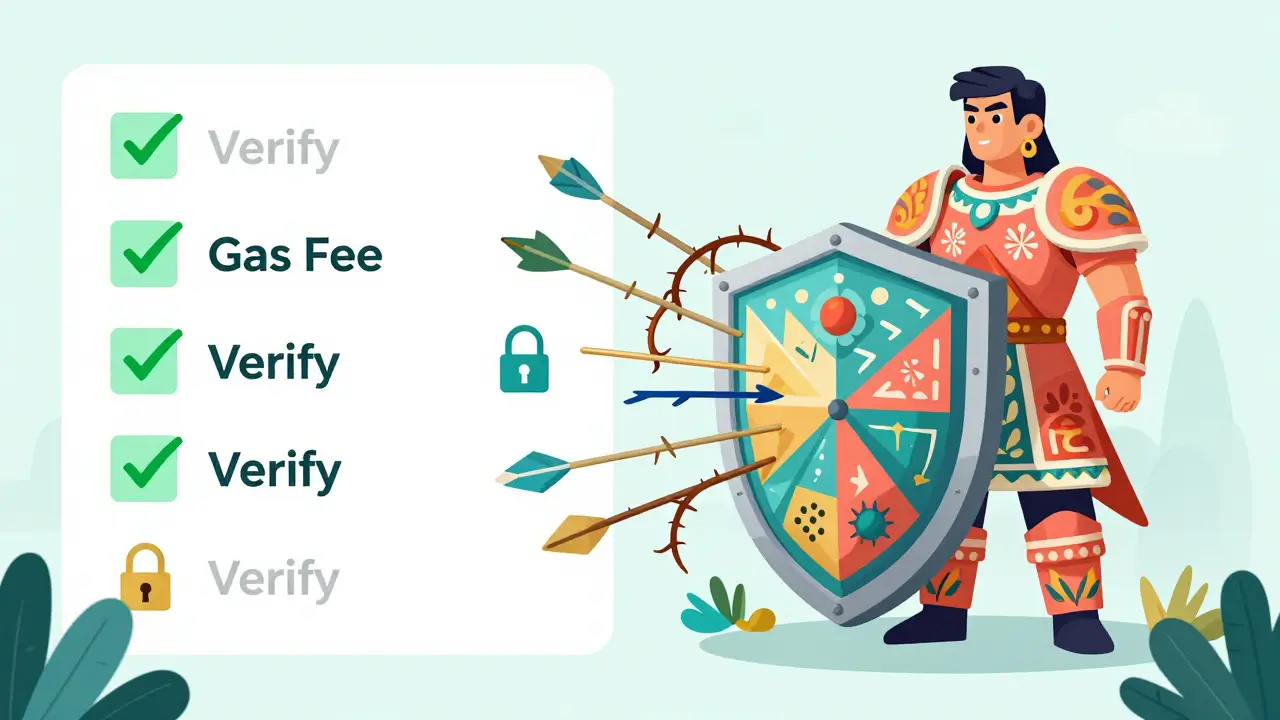
- The Trap: To "claim" the airdrop, you are asked to connect your wallet. Often, they ask for a small "gas fee" transaction first. This transaction isn't a fee; it’s a smart contract approval that gives the scammers permission to drain your ETH or other tokens.
- The Exit: Once the wallet is compromised, the attackers move funds to mixer services to hide the trail.
This isn't speculation. Security firms report that impersonation scams account for over 40% of all crypto losses in 2025 and early 2026. The mention of "CoinMarketCap" is used purely for psychological leverage. You trust the brand, so you lower your guard.
Red Flags to Watch For in Any Airdrop
Whether it’s ECIO or another project, you need a checklist to evaluate legitimacy. Don’t rely on hype. Rely on these concrete indicators:
| Check Point | Legitimate Project | Scam / Fake Project |
|---|---|---|
| Official Announcement | Listed on official partner sites (e.g., CoinMarketCap main page) | Only found via Twitter/X links or Telegram DMs |
| Website Domain | Matches official branding exactly (HTTPS, correct spelling) | Uses slight variations (e.g., coinmarketcap-airdrop.com) |
| Wallet Connection | Read-only access initially; no immediate signing requests | Demands immediate signature for "verification" or "gas fee" |
| Community Presence | Active, verified Discord/Telegram with admin engagement | Bots filling comments; admins ignore security questions |
| Token Contract | Verified source code on Etherscan/Solscan | Unverified contract or new deployment with no history |
If the ECIO campaign fails even one of these checks, walk away. The potential reward of free tokens is never worth the risk of losing your entire portfolio.
The Rise of Legitimate Airdrop Strategies
It’s important to distinguish between scams and the actual evolution of legitimate airdrops. In 2025 and 2026, real projects moved away from "spray and pray" distributions. They now use sophisticated mechanisms to reward genuine users. For example, projects like MetaMask and LayerZero have hinted at token launches that require sustained usage, not just clicking a button.
Legitimate campaigns feature:
- On-Chain Verification: Your eligibility is proven by your transaction history, not by filling out a form.
- Time-Locked Rewards: Tokens are released slowly to prevent immediate dumping.
- Privacy Protection: No personal data collection beyond wallet address interaction.
The ECIO "Pre-Game Launch" does not fit this model. It asks for engagement without providing verifiable on-chain proof of the project's existence or utility. Real projects build protocols first; they don't start with vague marketing campaigns on third-party platforms.
What To Do If You Already Connected Your Wallet
Panic helps no one. If you clicked a link related to the ECIO airdrop and connected your wallet, take these steps immediately:
- Revoke Permissions: Go to a service like Revoke.cash or use your wallet’s built-in permission manager. Look for any unknown contracts and revoke their access. This stops them from draining future tokens.
- Move Funds: Transfer your remaining assets to a new, clean wallet address. Do not leave anything in the compromised wallet.
- Check Transaction History: Review your recent transactions on a block explorer. If you see outgoing transfers you didn’t authorize, note the transaction hashes for reporting.
- Report the Scam: Flag the social media posts and websites. This helps platforms remove the content and protects others.
Remember, once funds are sent to a scammer’s wallet, recovery is nearly impossible. Prevention is your only real defense.
Staying Safe in the Crypto Airdrop Space
The desire for free tokens is understandable. But in 2026, the cost of being wrong is too high. Stick to verified sources. Use platforms like Airdrops.io which have manual verification teams. Never trust a link sent directly to you in a DM. Cross-reference every claim with the official website of the supposed partner-in this case, CoinMarketCap.
If CoinMarketCap doesn’t list it, it doesn’t exist. That’s the rule. Keep your hardware wallet offline unless you’re making a transaction, and always double-check the domain name. The ECIO campaign is a textbook example of why skepticism is your best asset in crypto.
Is the ECIO CoinMarketCap airdrop real?
No. As of May 2026, CoinMarketCap lists zero current or upcoming airdrops. There is no official record of an ECIO partnership or campaign on their platform. This strongly indicates the campaign is a scam.
Why do scammers use CoinMarketCap's name?
Scammers use the reputation of trusted brands like CoinMarketCap to lower your guard. This is called social engineering. By associating their fake project with a known entity, they increase the likelihood that you will connect your wallet without verifying the source.
Can I recover my funds if I fall for an airdrop scam?
In most cases, no. Cryptocurrency transactions are irreversible. Once you approve a malicious smart contract or send funds to a scammer's wallet, those assets are gone. Immediate action to revoke permissions can prevent further loss, but it cannot reverse past transactions.
How do I verify if an airdrop is legitimate?
Always check the official website of the hosting platform (e.g., CoinMarketCap.com). Look for direct links from the project's verified social media accounts. Verify the website domain carefully. Legitimate airdrops rarely ask for upfront payments or personal data beyond wallet connection.
What is a "Pre-Game Launch" campaign?
In legitimate contexts, this refers to early-stage community building before a token goes live. However, in scam contexts, it is a vague term used to justify asking users to perform tasks or connect wallets without providing clear details on tokenomics, team identity, or product utility.