

For over a decade, if you tried to buy Bitcoin or send crypto from Bolivia, you were breaking the law. The Bolivia cryptocurrency ban was one of the strictest in Latin America. But that reality changed completely in mid-2024. Today, Bolivia is not just allowing digital assets; it is actively building a regulated ecosystem for them.
If you are looking at financial opportunities in South America, understanding this shift is critical. The country went from total prohibition to processing nearly $300 million in virtual asset transactions in just six months. This isn't just a policy tweak; it's a complete reversal of economic strategy. Here is exactly what happened, how the new rules work, and what it means for users and businesses operating in or with Bolivia today.
The End of the Decade-Long Prohibition
To understand where Bolivia stands now, we have to look at why they banned crypto in the first place. On May 6, 2014, the Central Bank of Bolivia (BCB) issued a decree prohibiting all cryptocurrency activities. The goal was clear: protect the national financial system from volatility and prevent capital flight. They reaffirmed this stance with Resolution N° 144/2020 on December 15, 2020. For years, this meant no exchanges could operate legally, and citizens had to rely on peer-to-peer networks or offshore services, often at high risk.
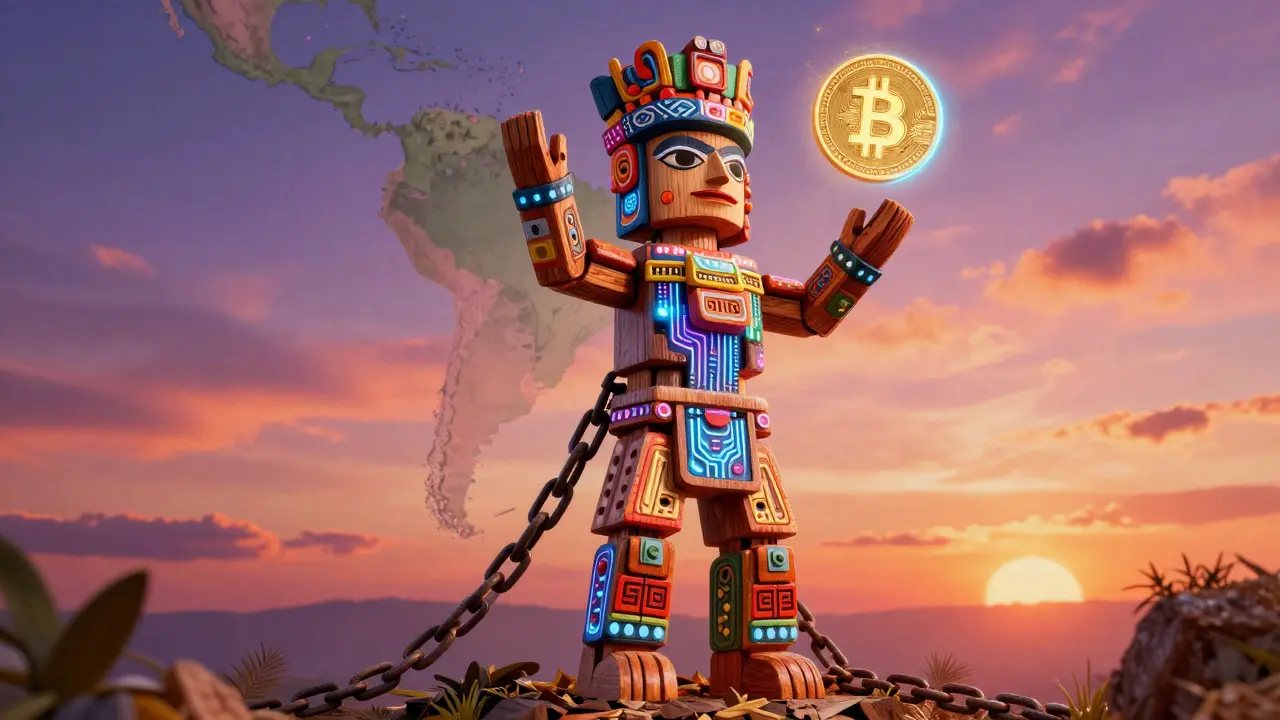
However, the landscape shifted dramatically on June 26, 2024. The government enacted Resolution No. 82/2024, officially lifting the ban. This decision didn't happen in a vacuum. It came after years of observing global trends and recognizing that prohibition was driving activity underground rather than stopping it. By removing the restrictions, Bolivia opened the door for formal recognition of virtual assets and service providers.
This move placed Bolivia in direct contrast to some of its neighbors. While countries like Algeria tightened their bans around the same period, Bolivia chose deregulation. Unlike El Salvador, which made Bitcoin legal tender through a top-down mandate, Bolivia took a more measured approach. They focused on creating a framework that allows usage without destabilizing the local currency, the Boliviano.
New Regulatory Framework: What Changed in 2025?
Lifting the ban was step one. Building the rules was step two. In 2025, Bolivia moved quickly to establish a comprehensive legal structure. The most significant development occurred on April 16, 2025, with the implementation of Resolution no. 019/2025. This resolution laid the groundwork for recognizing Virtual Asset Service Providers (VASPs). Essentially, it gave companies a legal path to operate within the country, provided they met specific criteria.
Then, in May 2025, the government went further by enacting Supreme Decree No. 5384. This decree established the complete legal framework for the sector, introducing mandatory licensing obligations for crypto service providers. If you are a business wanting to offer exchange, custody, or trading services in Bolivia, you now need a license. This brings transparency and accountability to a market that previously existed in the shadows.
| Date | Action/Decree | Impact |
|---|---|---|
| May 6, 2014 | Initial BCB Ban | Prohibited all crypto activities to protect financial stability. |
| Dec 15, 2020 | Resolution N° 144/2020 | Reaffirmed the ban, maintaining strict restrictions. |
| June 26, 2024 | Resolution No. 82/2024 | Officially lifted the crypto ban, allowing virtual assets. |
| April 16, 2025 | Resolution no. 019/2025 | Recognized VASPs and began fintech framework development. |
| May 2025 | Supreme Decree No. 5384 | Established licensing requirements for crypto service providers. |
Explosive Growth and User Adoption
The numbers tell a story of pent-up demand. According to official figures from the Central Bank of Bolivia, virtual asset transactions reached $294 million in the first half of 2025 alone. This represents a skyrocketing increase of more than 500% within just one year of lifting the ban. Where did this volume come from? It came from everyday Bolivians who needed better ways to handle money.
One standout example is Meru, a crypto wallet platform founded by Carlos Neira. After the ban lifted, Meru reported a staggering 6,600% increase in Bolivian users. Bloomberg highlighted this surge as evidence of how quickly the market responded when barriers were removed. Users weren't just speculating on price movements; they were using these tools for practical purposes.
In a country with historical currency volatility, stablecoins became particularly popular. In March 2025, the Central Bank itself utilized USD-pegged stablecoins for cross-border payments, remittances, and trading. This institutional adoption signaled to the public that digital assets could be trusted stores of value. For regular citizens, sending money abroad or protecting savings from inflation became significantly easier and cheaper using crypto rails compared to traditional banking channels.

How Bolivia Compares to Its Neighbors
Bolivia’s approach to cryptocurrency is unique in Latin America. To understand its position, we need to compare it with other regional models.
El Salvador: El Salvador went all-in by making Bitcoin legal tender. Their model is aggressive and state-driven. Bolivia, however, has not adopted any crypto as legal tender. Instead, they allow it to exist alongside the Boliviano. This is a crucial distinction. Bolivia is focusing on utility and regulation rather than replacing its national currency.
Argentina and Brazil: These larger economies have seen massive organic adoption due to economic instability, but their regulatory frameworks have been slower to mature. Bolivia’s rapid legislative action in 2025 puts it ahead in terms of having a clear, codified rulebook for businesses.
Algeria: As mentioned, Algeria moved in the opposite direction, criminalizing digital asset operations. This highlights a global divergence. Some nations see crypto as a threat to monetary sovereignty, while others, like Bolivia, see it as a tool for financial inclusion and modernization.
Bolivia’s strategy appears pragmatic. Users choose tools based on utility: stablecoins for stability, Bitcoin for international transfers, and various platforms based on fees. There is no single "national coin," but rather a diverse ecosystem of choices.
International Cooperation and Knowledge Transfer
Regulating a new technology is hard. Bolivia recognized this and decided not to reinvent the wheel. A major component of their new strategy involves international cooperation. The most notable example is the Memorandum of Understanding (MoU) signed with El Salvador’s National Commission for Digital Assets (CNAD).
This agreement is unprecedented in terms of nation-to-nation knowledge transfer. It enables Bolivia to share experiences with El Salvador regarding blockchain intelligence tools, data analytics, risk analysis, and market oversight. Both countries are jointly training staff and exchanging information on VASPs operating in their territories. This MoU is indefinite, meaning it remains in force and provides ongoing technical support.
Edwin Rojas Ulo, the Acting President of the BCB, emphasized that these partnerships are part of an effort to promote adoption while protecting investors. By learning from El Salvador’s early mistakes and successes, Bolivia aims to build a safer environment for its citizens. This collaborative approach reduces the trial-and-error phase for regulators and speeds up the creation of effective consumer protection measures.

Risks, Challenges, and Consumer Protection
While the growth is impressive, the rapid pace of change brings challenges. Community feedback indicates enthusiasm, but also caution. Many users are new to digital assets, and the learning curve can be steep. Scams and fraud remain significant risks in any emerging crypto market.
The government has launched public awareness campaigns to educate citizens about basics, risks, and functionality. Central Bank officials are drafting regulations specifically focused on transparency and safety. The goal is to balance innovation with protection. However, experts note that stronger consumer protection measures are still needed as the market matures. Licensing VASPs helps, but individual user education is equally important.
For businesses, the challenge lies in compliance. Navigating the new licensing requirements under Supreme Decree No. 5384 requires legal expertise and operational adjustments. Companies must ensure they meet anti-money laundering (AML) and know-your-customer (KYC) standards to obtain and keep their licenses.
What This Means for You
If you are a resident of Bolivia, the doors are open. You can now legally use licensed platforms to buy, sell, and hold cryptocurrencies. Look for providers that display their VASP license status. Use reputable wallets and prioritize security practices like two-factor authentication.
If you are an investor or business looking at Latin America, Bolivia offers a new opportunity. The regulatory clarity provided by the 2025 decrees reduces uncertainty. The partnership with El Salvador suggests a supportive regulatory environment. However, monitor the evolving details of the licensing process and stay updated on any amendments to the framework.
The transformation from complete prohibition to active adoption is one of the most significant policy reversals in recent history. Bolivia is positioning itself as a regulated, secure environment for digital assets. Whether this leads to sustained long-term growth will depend on how well the government balances innovation with stability in the coming years.
Is Bitcoin legal in Bolivia now?
Yes. As of June 26, 2024, following Resolution No. 82/2024, the complete prohibition on cryptocurrency was lifted. Bitcoin and other virtual assets can be legally owned, traded, and used, provided that service providers comply with new licensing regulations established in 2025.
When did Bolivia lift the crypto ban?
Bolivia officially lifted the cryptocurrency ban on June 26, 2024. This ended a decade-long prohibition that started in 2014. Subsequent regulations in 2025 further defined how the industry should operate.
Do I need a license to run a crypto business in Bolivia?
Yes. Under Supreme Decree No. 5384 enacted in May 2025, Virtual Asset Service Providers (VASPs) must obtain a license to operate legally in Bolivia. This includes exchanges, custodians, and other service providers.
How does Bolivia's crypto policy compare to El Salvador's?
El Salvador made Bitcoin legal tender, requiring businesses to accept it. Bolivia has not made any crypto legal tender. Instead, Bolivia allows crypto as a regulated asset class and focuses on licensing service providers. Bolivia also partners with El Salvador for regulatory knowledge transfer.
What are the main risks for crypto users in Bolivia?
The main risks include potential scams, lack of user experience with digital wallets, and regulatory changes as the framework matures. Users are advised to use only licensed VASPs and follow best security practices. The government is actively working on consumer protection measures.
Did the Central Bank of Bolivia adopt stablecoins?
Did the Central Bank of Bolivia adopt stablecoins?
Yes. In March 2025, the Central Bank of Bolivia utilized USD-pegged stablecoins for cross-border payments, remittances, and trading. This demonstrates institutional confidence in digital assets for specific financial functions.