Bitlish Crypto Exchange Review: What Happened and Why It’s Gone
Bitlish was a transparent, low-fee crypto exchange that shut down in 2020. Learn what made it unique, why it failed, and what happened to users' funds after it vanished overnight.
veDAO (WEVE) is not a real cryptocurrency. No official records, exchanges, or blockchain data exist for it. It's likely a scam targeting investors with fake hype. Learn how to spot fake crypto projects and avoid losing money.
Egyptians trade crypto underground using P2P platforms like Bybit and Binance to bypass banking restrictions. With no legal exchanges, millions use coded messages, mobile payments, and cash trades to buy Bitcoin and USDT-surviving inflation and a broken financial system.
Huckleberry is a niche decentralized exchange built for Clover and Moonriver users, offering gas-free swaps and native cross-chain bridging. It's not for everyone, but perfect for Polkadot ecosystem traders.
MultiSig wallets protect DAO treasuries by requiring multiple approvals for transactions, preventing hacks, fraud, and single points of failure. With real-world examples and setup steps, this is the essential guide to securing your DAO’s funds.
The CHY airdrop from Concern Poverty Chain promises free tokens to fight poverty, but the token is worth $0 with no market activity. Learn what's real, what's hype, and why participation won't help anyone.
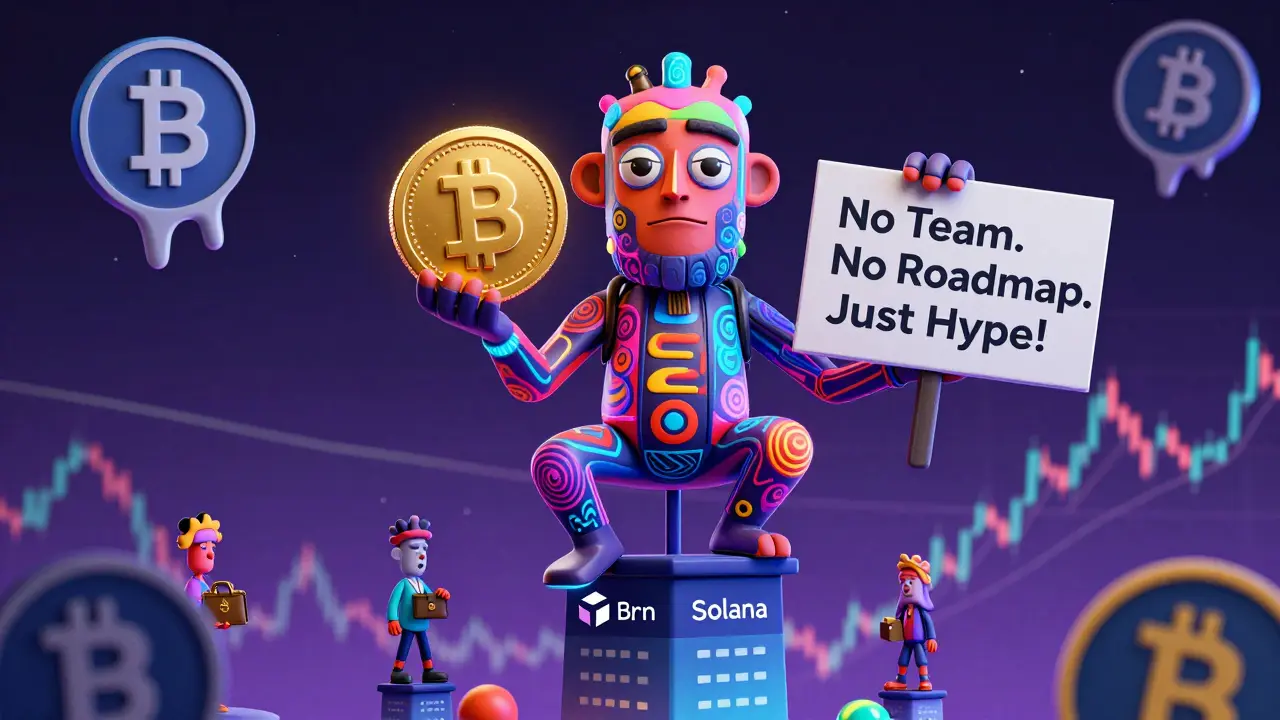
DogWifNoHat (NOHAT) is a Solana-based memecoin launched in January 2024 as a parody of Dogwifhat (WIF). With no team or utility, it survives on humor and community. Here's what you need to know about its price, supply, and whether it's worth buying.
There is no official Anypad (APAD) bot airdrop. Learn what Anypad really does, how to safely get APAD tokens, and how to avoid crypto scams targeting fake airdrops in 2025.
P2P networks are the foundation of cryptocurrency, enabling decentralized, trustless transactions without banks or intermediaries. Bitcoin and Ethereum rely on thousands of nodes to validate and propagate transactions securely. Learn how they work, why they matter, and what's changing in 2025.
Sidechains and Layer 2 solutions both scale Ethereum, but differently. Layer 2s are secure and integrated; sidechains are fast and flexible. Learn which one suits your project based on cost, security, and use case.
CanBit crypto exchange has no verifiable presence online. This review exposes it as a likely scam and lists real, regulated alternatives like Coinbase, Kraken, and Bybit that you can trust in 2025.
King Of Meme (LION) is a meme coin with no team, no utility, and a tiny market cap. It's marketed as the 'alpha predator' of crypto, but data shows it's one of the riskiest tokens in 2025.
Block rewards control how new cryptocurrency coins enter circulation. In Bitcoin, they halve every four years, steadily reducing inflation toward zero. This predictable, code-enforced scarcity is why Bitcoin stands out from fiat currencies and other digital assets.
The IRGC runs unlicensed crypto mining in Iran, stealing electricity from citizens to evade sanctions and fund military operations. While ordinary Iranians face blackouts, state-backed mining farms run 24/7 with impunity.
The CMP airdrop by Caduceus offered free tokens in 2022, but the project vanished shortly after. Learn how it worked, who got paid, and why it’s now worthless.
OBVIOUS COIN is a Solana-based meme token with no team, utility, or future. Learn why it's a high-risk gamble, how it works, and why 92% of similar tokens vanish within months.
A real-world review of decentralized exchanges (DEXs) in 2025, covering how they work, their pros and cons, and whether they're right for you. Learn why DEXs like Uniswap are growing fast-and the risks you can't ignore.