


You might think living in a country without specific cryptocurrency laws means you’re operating in the Wild West. But for people in Costa Rica, it’s more like playing chess with invisible rules. As of late 2026, there is no dedicated "Bitcoin Law" or comprehensive regulatory framework that explicitly governs how digital assets are bought, sold, or held. Yet, millions of dollars flow through local exchanges every month. How does this work? It works because Costa Rica relies on existing financial infrastructure rather than creating new red tape from scratch.
The Central Bank of Costa Rica (CBCR) has been crystal clear on one point: cryptocurrencies are not legal tender. They aren't money in the traditional sense, nor are they foreign currency. This distinction creates a gray zone that allows for flexibility but demands caution. If you are a resident, a business owner, or an expat looking to park your savings in stablecoins, understanding how to navigate this unregulated-but-monitored landscape is crucial. You don’t need a license to buy Bitcoin, but you do need to understand where the lines are drawn by anti-money laundering (AML) laws that apply to everyone.
The Current Legal Status of Digital Assets
Let’s cut through the noise. In Costa Rica, owning crypto is perfectly legal. Buying it, selling it, and using it for peer-to-peer transactions is also legal. What isn’t fully settled is how the government views these assets for tax and reporting purposes when things go wrong-or right. The CBCR declared that digital currencies lack the status of official monetary instruments. This means you can’t pay your utility bill with Ethereum at the counter unless the provider specifically accepts it as a barter transaction.
However, legality doesn’t mean invisibility. While there is no specific "crypto regulator," the general financial system still watches. Companies that provide services related to storing or exchanging digital assets fall under the umbrella of general financial service legislation. This is a critical nuance. If you are just holding Bitcoin in a hardware wallet, you are largely outside the radar of daily compliance checks. But if you run a platform that holds other people's keys or facilitates trades, you step into a different arena.
This environment has fostered a surprisingly robust ecosystem. Because there are no heavy-handed restrictions banning initial coin offerings (ICOs) or token sales, startups have launched here with fewer hurdles than in jurisdictions like New York or London. NFT marketplaces operate freely, and blockchain gaming projects find a home in San José’s tech hubs. The absence of explicit bans has turned Costa Rica into a sandbox for innovation, albeit one where the sand shifts slightly every time a new bill enters the legislative assembly.
Navigating the 2025 Legislative Shift
If you thought nothing would change, think again. The landscape began shifting significantly in July 2025 when the Legislative Assembly passed the first debate of Bill 22.837. This isn’t just another proposal gathering dust; it’s a serious attempt to align Costa Rica with international standards set by the Financial Action Task Force (FATF). The bill proposes amendments to Law No. 7786, specifically targeting money laundering and terrorist financing.
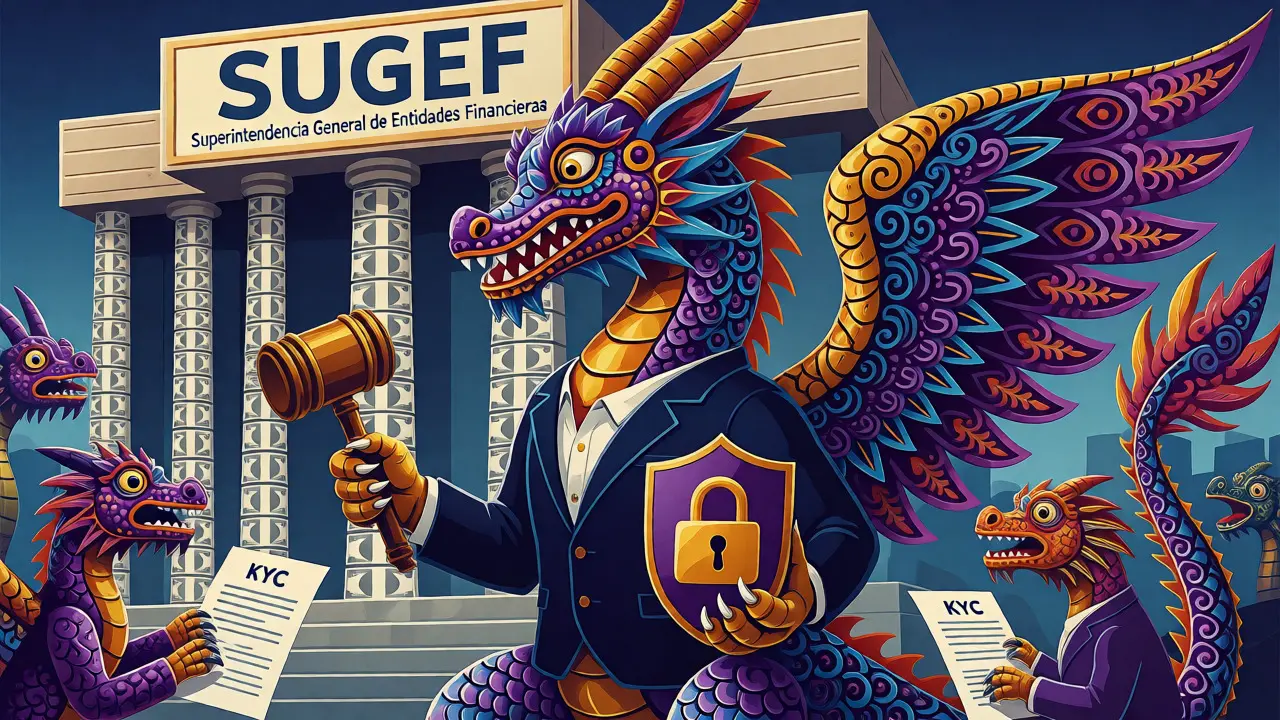
The core of this upcoming change revolves around the definition of Virtual Asset Service Providers (VASPs). Under the proposed rules, any entity that exchanges virtual assets for fiat currency, transfers them, or provides custody services must register with the Superintendencia General de Entidades Financieras (SUGEF). Think of SUGEF as the watchdog that ensures banks don’t wash dirty money. Soon, they will likely be watching crypto exchanges too.
It is vital to understand what this registration actually means. Registering with SUGEF does not equal government authorization to operate. It doesn’t mean the state endorses Bitcoin. Instead, it means you agree to play by the AML rules. You must identify your clients, keep detailed records of transactions, and flag suspicious activities. For the average user buying $500 worth of USDT on a local exchange, this might just mean filling out a more thorough Know Your Customer (KYC) form. For businesses, it means hiring compliance officers.
| Activity | Current Status (2026) | Proposed Status (Post-Bill 22.837) |
|---|---|---|
| Individual Ownership | Legal, no direct registration required | Legal, remains unregulated for personal holdings |
| Exchange Operations | Allowed under general commercial law | Mandatory registration with SUGEF as VASP |
| Custody Services | Permitted with voluntary AML controls | Strict KYC/AML compliance mandated |
| Tax Reporting | Ambiguous, treated often as asset gains | Clarification expected via tax authority guidance |
Practical Ways Residents Use Crypto Today
So, how do regular people actually use this stuff day-to-day? Most Costa Ricans interact with crypto through three main channels: remittances, savings, and freelance payments.
Remittances are huge here. Many families rely on money sent from relatives abroad. Traditional methods involve fees and delays. Using stablecoins like USDC or USDT cuts out the middleman. A worker in Spain sends USDC to a family member in Heredia. The recipient uses a local P2P platform to convert it to Colones. This process is faster and cheaper than Western Union, and because it’s peer-to-peer, it often bypasses the strictest banking bottlenecks.
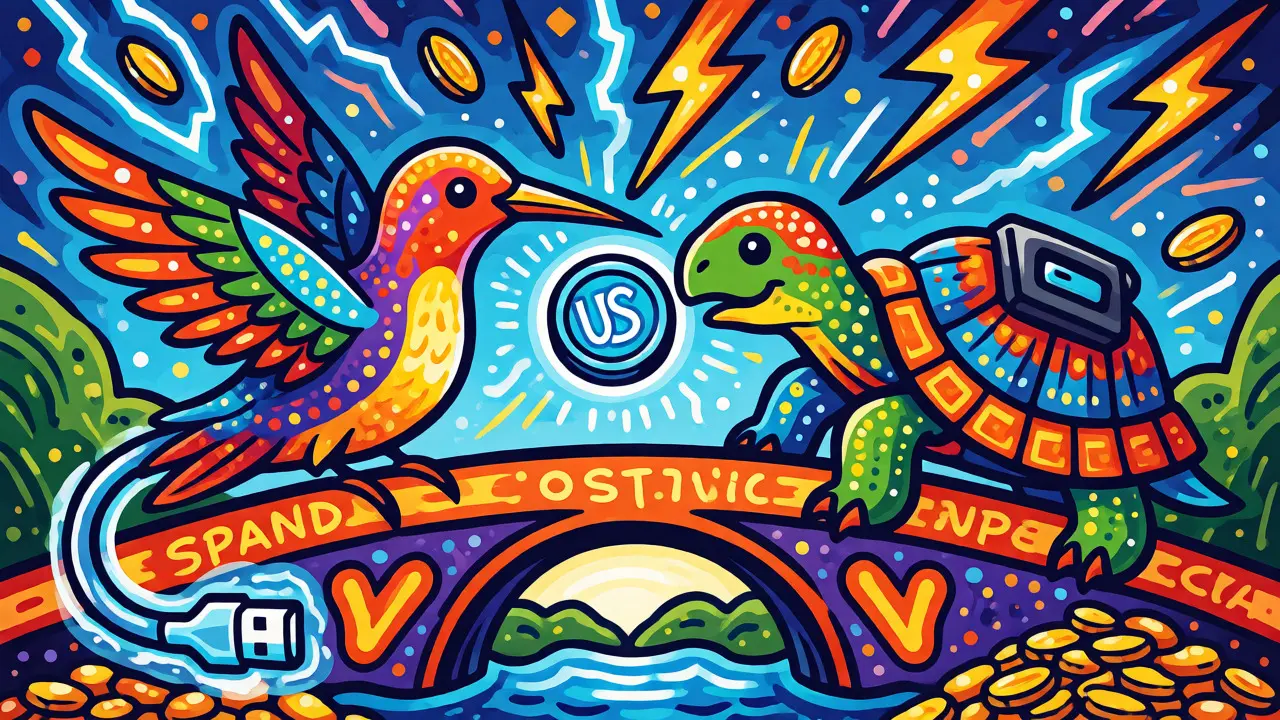
For savings, inflation and currency fluctuation drive interest. The Costa Rican Colón has faced volatility over the years. Holding assets in USD-pegged tokens offers a hedge. Since crypto isn’t considered legal tender, you can’t deposit it directly into a standard bank account easily. Instead, people use hybrid wallets or specialized fintech apps that offer conversion features. These apps act as bridges, allowing users to hold digital assets while accessing local payment networks like SINPE Móvil for everyday purchases.
Freelancers constitute another major group. If you code for a client in the US, getting paid via wire transfer costs $25-$40 per transaction. Getting paid in crypto takes minutes and costs pennies in network fees. Many freelancers keep their earnings in stablecoins until they need cash, then off-ramp through local exchanges that support bank transfers. This method avoids the immediate tax event of converting to fiat in some interpretations, though tax advisors are increasingly urging clarity here.
Banking Challenges and Workarounds
Here is the friction point: traditional banks in Costa Rica remain cautious. Opening a corporate bank account for a crypto-related business can feel like pulling teeth. Banks fear reputational risk and potential regulatory backlash. They may freeze accounts if they see large, frequent transfers to unknown crypto addresses.
To survive this, many crypto-native companies avoid relying solely on local banks. They use multi-currency accounts offered by international fintechs or maintain relationships with smaller, more agile local credit unions that understand blockchain technology. For individuals, the advice is simple: don’t mix your crypto flows with your primary salary account if you can help it. Keep separate accounts for crypto-related inflows and outflows to make life easier for the bank’s compliance department.
Another workaround is using prepaid cards linked to crypto balances. Several providers allow you to load a card with Bitcoin or Ethereum, which is instantly converted to fiat when you swipe. This lets you spend your crypto anywhere Visa or Mastercard is accepted, effectively bypassing the need to convert everything back to Colones immediately.
Tax Implications: The Gray Area
Do you owe taxes on your Bitcoin profits? The short answer is: probably, but it’s complicated. Costa Rica generally taxes income based on source. If you trade crypto actively, treating it as a business activity, you likely owe income tax. If you simply hold long-term and sell for a profit, it might be treated as capital gain, which has different treatment depending on residency status and asset type.
There is no specific "crypto tax" yet. The tax administration (Hacienda) looks at the substance of the transaction. If you used crypto to buy a car, did you realize a gain between the time you bought the BTC and the time you spent it? Technically, yes. Are most people tracking this? Not really. But with the push for better data sharing under the new AML bills, anonymity is shrinking. Expect stricter enforcement in the coming years as SUGEF and Hacienda begin to share data more seamlessly.
Businesses accepting crypto as payment must issue invoices in Colones. Even if the customer pays in Bitcoin, the invoice value is fixed in local currency at the moment of sale. This simplifies accounting but adds a layer of complexity for the merchant, who bears the price volatility risk between the sale and the conversion to fiat.
Why Costa Rica Remains Attractive Despite Uncertainty
Despite the looming regulations, why stay? Political stability. In a region known for sudden policy shifts, Costa Rica remains a steady hand. The rule of law is strong, property rights are respected, and the infrastructure supports high-speed internet necessary for blockchain operations. Furthermore, the cost of living and operational expenses are lower than in North America or Europe, making it a viable hub for remote workers and startups.
The government’s approach seems to be one of observation before intervention. By waiting to implement strict rules until after seeing how neighbors like El Salvador fared, Costa Rica aims to strike a balance. They want the economic benefits of blockchain-efficiency, lower costs, financial inclusion-without the systemic risks seen elsewhere. For now, this wait-and-see approach gives users room to breathe and innovate.
Key Takeaways for Crypto Users
- Keep Records: Even if not strictly enforced today, document every trade. Date, amount, pair, and purpose. When regulations tighten, having clean records saves headaches.
- Use Reputable Exchanges: Choose platforms that already implement basic KYC. They are more likely to adapt smoothly to SUGEF requirements.
- Separate Accounts: Don’t let crypto transactions clutter your primary banking history. Use dedicated accounts for off-ramping.
- Watch the Legislation: Follow updates on Bill 22.837. The transition period will bring changes to compliance duties for service providers.
- Consult Local Tax Advisors: General advice won’t cut it. Find an accountant familiar with digital assets in Costa Rica’s specific context.
The story of crypto in Costa Rica is one of adaptation. Citizens and businesses haven’t waited for perfect laws to start using technology. They’ve built systems within the gaps of existing frameworks. As the country moves toward formalizing VASP regulations, the goal isn’t to kill the spirit of innovation but to channel it safely. For the individual user, the message is clear: enjoy the freedom, but prepare for the future. Stay informed, stay compliant with basic financial hygiene, and keep your private keys secure.
Is Bitcoin legal tender in Costa Rica?
No. The Central Bank of Costa Rica explicitly states that cryptocurrencies are not legal tender, monetary currency, or foreign currency. They are treated as digital assets or property.
Do I need a license to buy crypto in Costa Rica?
Individuals do not need a license to buy, hold, or sell cryptocurrency. However, businesses providing exchange or custody services may need to register with SUGEF under upcoming regulations.
Can I pay my taxes with cryptocurrency?
Generally, no. Taxes must be paid in Costa Rican Colones. You would need to convert your crypto to fiat currency before paying the tax authorities.
What is Bill 22.837?
Bill 22.837 is proposed legislation aimed at regulating Virtual Asset Service Providers (VASPs). It requires these entities to comply with anti-money laundering laws and register with SUGEF.
Are crypto exchanges taxed in Costa Rica?
Exchanges themselves pay corporate taxes on their profits. Users may face income tax or capital gains tax depending on whether their trading activity is considered a business or investment, though specific guidelines are still evolving.