What is Based Shiba Inu (BSHIB)? A Guide to the Base Network Meme Coin
Discover what Based Shiba Inu (BSHIB) is: a micro-cap meme coin on the Base network. Learn about its trading venues, risks, and how to buy it on Uniswap.
When you trade crypto on a decentralized exchange, a peer-to-peer platform that lets users trade directly from their own wallets without handing over control to a company. Also known as a DEX, it removes banks, middlemen, and account freezes—putting you in full charge of your money. That’s the whole point. No one holds your keys. No one can freeze your balance. No one can decide you can’t trade USDT because of a policy change. You just connect your wallet and swap.
This isn’t just about freedom—it’s about survival in places where exchanges are banned, like Myanmar or Russia. That’s why non-custodial wallets, tools like MetaMask or Ledger that keep your private keys under your control are the backbone of every real DEX. You can’t use a decentralized exchange without one. And if you’re trading on blockchain trading, the act of exchanging digital assets directly on a public ledger like Ethereum, Starknet, or Avalanche, you’re relying on smart contracts, not customer service reps. That’s why some DEXs, like KyberSwap Classic on Avalanche or Paradex on Starknet, focus on low slippage and institutional-grade liquidity. Others? They’re just meme coins with fake volume.
Not every DEX is built the same. Some are built for speed and privacy—like Paradex, which uses zk-proofs to hide your trades. Others, like GroveX, cut KYC entirely but lack transparency. Then there are the ghosts: tokens like AmpleSwap (AMPLE) or BSClaunch (BSL) that claim to be DEXs but have zero trading volume and no users. The difference? Real DEXs have open code, live liquidity pools, and actual traders. Fakes have Discord hype and a website that looks like a 2021 crypto ad.
If you’re new to this, don’t jump into the biggest name. Start with what’s transparent. Look at volume, check the contract on Etherscan, see if the team is anonymous or real. Ask yourself: if this platform vanished tomorrow, would I still have my coins? If yes, you’re on a real DEX. If no, you’re just trusting someone else’s server.
The posts below aren’t just reviews. They’re after-the-fact reports from people who lost money on fake DEXs, found real value in low-fee platforms, or got burned by airdrops that never happened. You’ll see how LACE, PERA, and CTT were scams. You’ll see why Paradex is getting attention from serious traders. You’ll learn why a DEX on Starknet can be faster and cheaper than one on Ethereum. And you’ll see how tools like non-custodial wallets and hardware wallets tie into every single trade you make.
Discover what Based Shiba Inu (BSHIB) is: a micro-cap meme coin on the Base network. Learn about its trading venues, risks, and how to buy it on Uniswap.
Read our honest review of Velocimeter on Base. Discover if this veTokenomics DEX is worth your time despite low liquidity and high slippage risks.
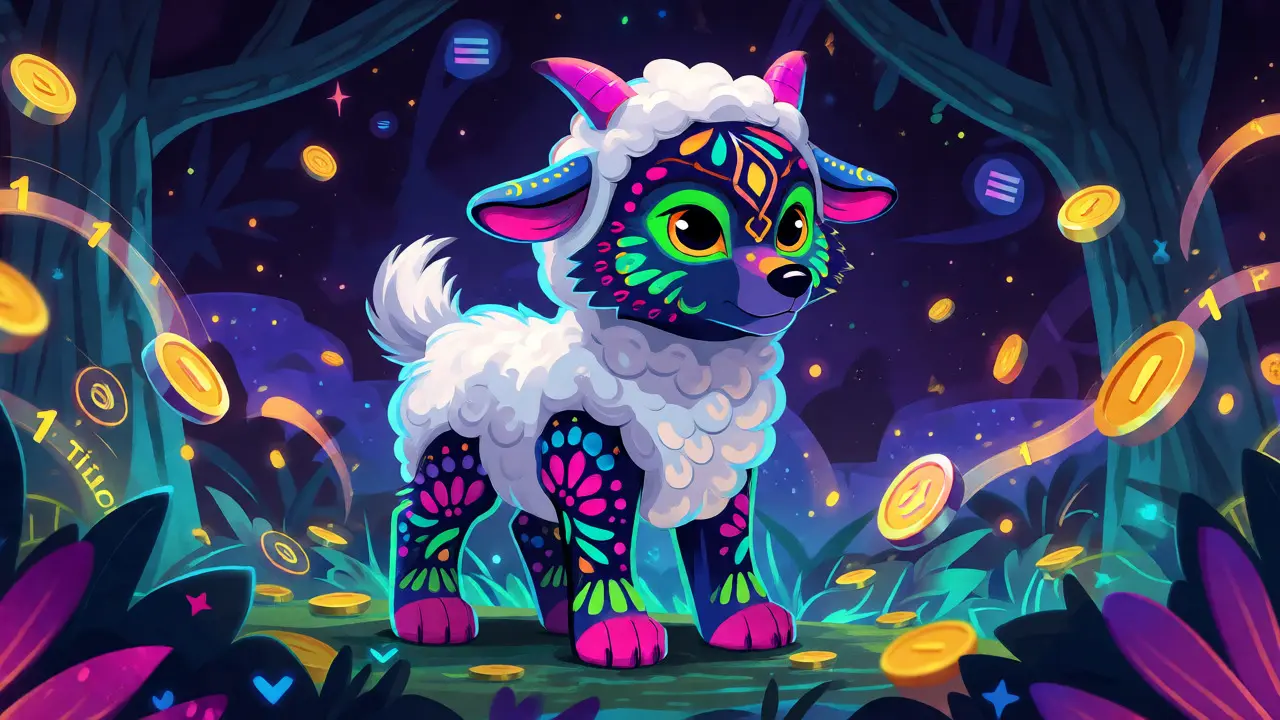
Discover what Wulfy (WULFY) is, a Solana-based meme token featuring a wolf-in-sheep-clothing mascot. Learn about its supply, volatile pricing across platforms, and how to trade it on Raydium.
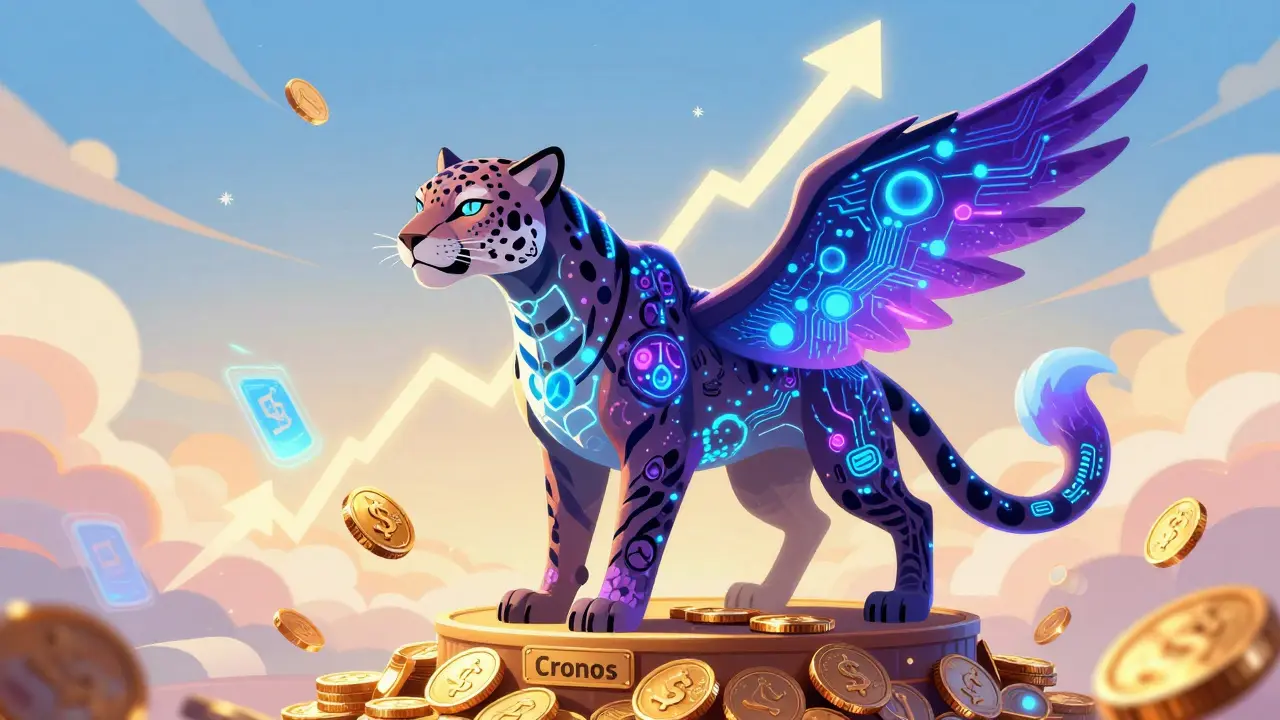
Review of VVS Finance DEX on Cronos. Analyzes its 96% price crash, low traffic, lack of regulation, and poor 2025-2026 outlook. Is it still viable?
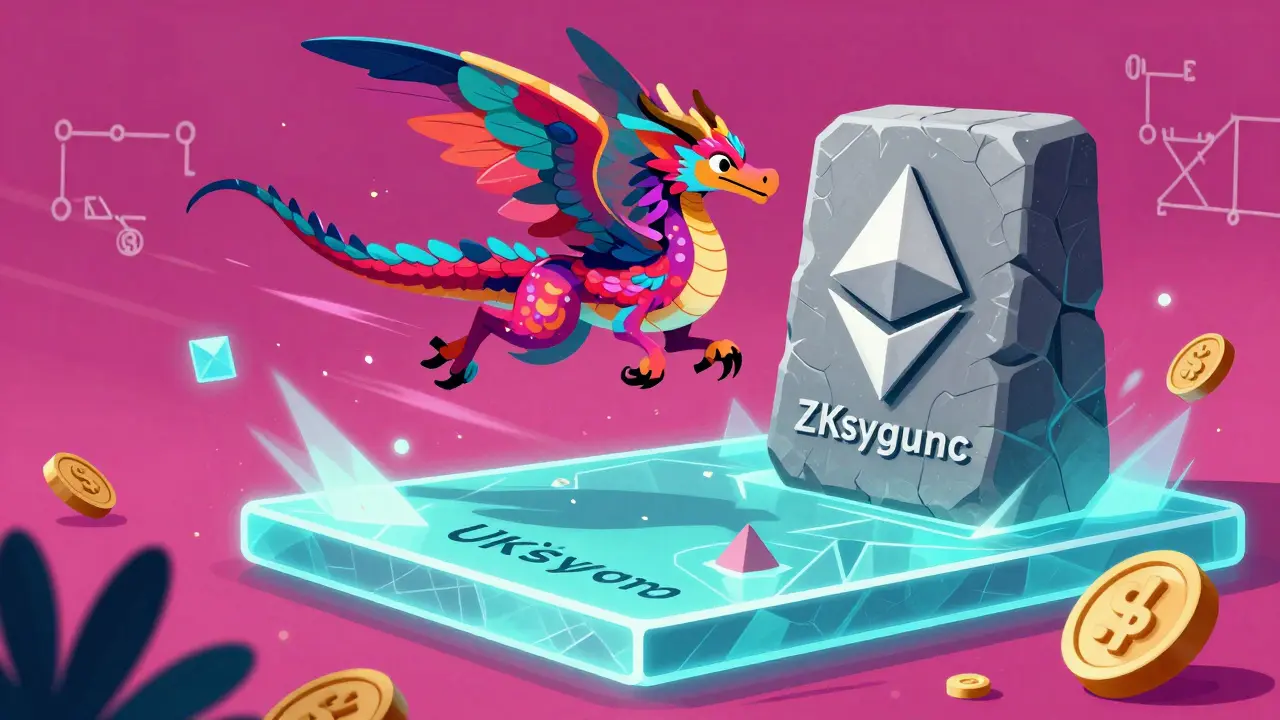
Reviewing Uniswap v3 on ZKsync Era: We analyze gas savings, concentrated liquidity features, and current TVL to help you decide if this Layer 2 DEX is right for your trading strategy.
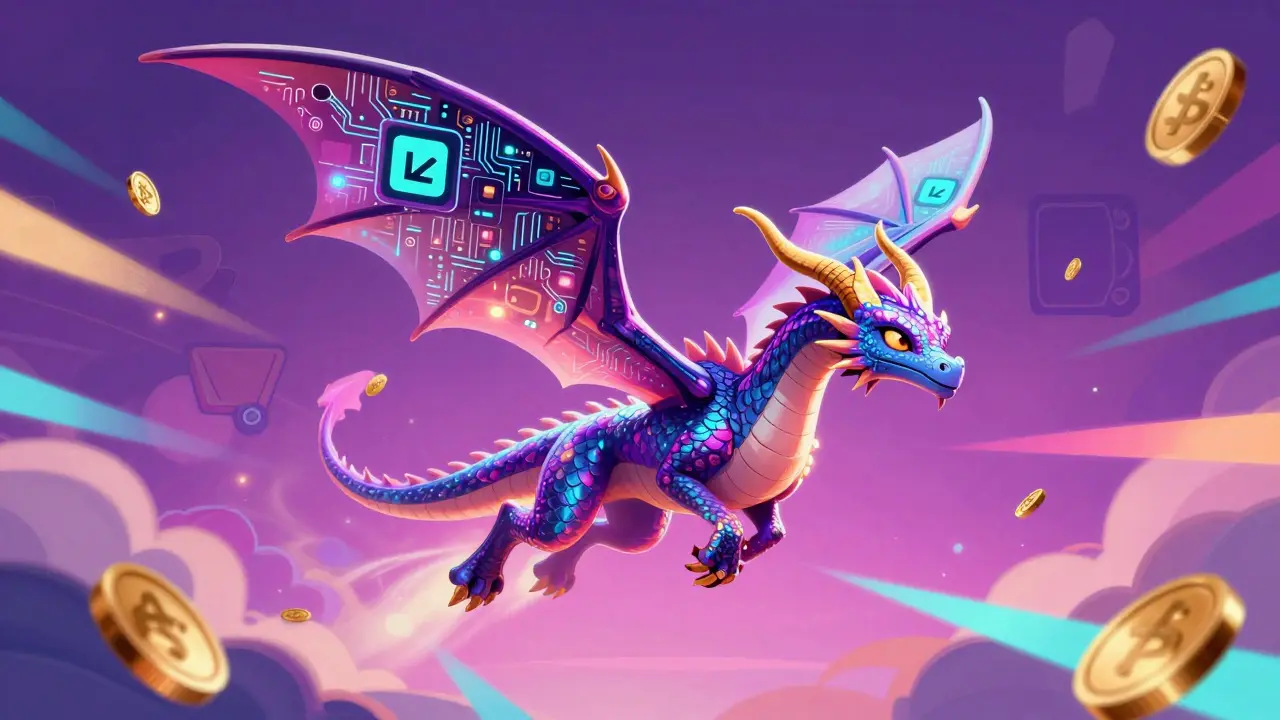
Reviewing FusionX v3, a zero-fee DEX on Mantle Network. We analyze its safety, limited coin selection, and risks for traders in 2026.
Read our honest Alien Base review. Discover how the Epsilon aggregator and ALB token make it a top choice for trading and yield farming on the Base blockchain.
MM Finance (MMF) is a Cronos-based DeFi token that once offered low fees and trading rewards. After a $2M hack and market crash, it now trades at $0.00012. Here's what's left-and if it's worth anything today.
Ultron Swap is a low-volume decentralized exchange built on the Ultron blockchain. With minimal liquidity, no user reviews, and little community engagement, it's not a reliable trading platform - but it may hold potential for early adopters willing to take big risks.
Orca is a fast, low-cost decentralized exchange on Solana, ideal for traders seeking near-zero fees and instant swaps. With ORCA token rewards and active development, it's the top DEX for Solana users - but only if you're comfortable with self-custody.
ForkDelta is the last surviving version of EtherDelta, a pioneering but flawed decentralized exchange. Still operational in 2025, it's only useful for trading obscure ERC-20 tokens. For most users, it's too slow, risky, and complex.
Tinyman is the leading decentralized exchange on the Algorand blockchain, offering low-fee swaps, limit orders, and liquidity mining with $TINY rewards. Perfect for Algorand holders tired of Ethereum's high costs.