How Slashing Reduces Your Staking Returns and How to Protect Yourself
Slashing can erase your staking rewards overnight. Learn how it works, why it happens, and how to protect your crypto from losing 1% to 100% of your stake due to validator errors.
When you stake crypto staking, the process of locking up cryptocurrency to support a blockchain network and earn rewards in return. Also known as proof of stake participation, it's how many modern blockchains validate transactions without using massive amounts of electricity. Instead of miners solving complex math problems, stakers lock up their coins as collateral. The network picks them randomly or based on how much they’ve locked up to verify new blocks. In return, you get paid—usually in the same coin you staked. It’s like earning interest, but for helping keep the blockchain running.
Staking isn’t just for big players. You can start with as little as 1 ETH, 10 ADA, or even a few SOL, depending on the network. The rewards vary—some chains pay 3% annually, others over 10%. But it’s not all free money. If you stake on a poorly run network, your coins could lose value. Or worse, you might get slashed—penalized for going offline or validating bad data. That’s why it’s important to know which projects are active, secure, and transparent. proof of stake, a consensus mechanism that replaces energy-heavy mining with economic incentives is now used by Ethereum, Cardano, Solana, and dozens of others. It’s faster, cheaper, and greener than the old proof of work model. But not all proof of stake systems are equal. Some let you stake directly through your wallet. Others require you to delegate to a validator. And some, like Polkadot or Cosmos, let you stake multiple coins across a whole ecosystem.
What you’ll find in the posts below isn’t just a list of coins that pay staking rewards. It’s a look at what’s real and what’s dead. You’ll see how BSClaunch (BSL), a dormant Binance Smart Chain token with no team or updates once promised staking but now trades like a ghost. You’ll learn why Franklin (FLY), a micro-cap ERC-20 token with near-zero trading volume offers no staking rewards because no one’s using it. And you’ll find real examples—like how ATA airdrop, a privacy-focused token earned through network participation rewards users who actively help secure the network, not just hold coins. Some posts show you how to avoid scams pretending to offer high-yield staking. Others explain how to use hardware wallets to keep your staked coins safe. There’s no fluff here. Just what works, what doesn’t, and why.
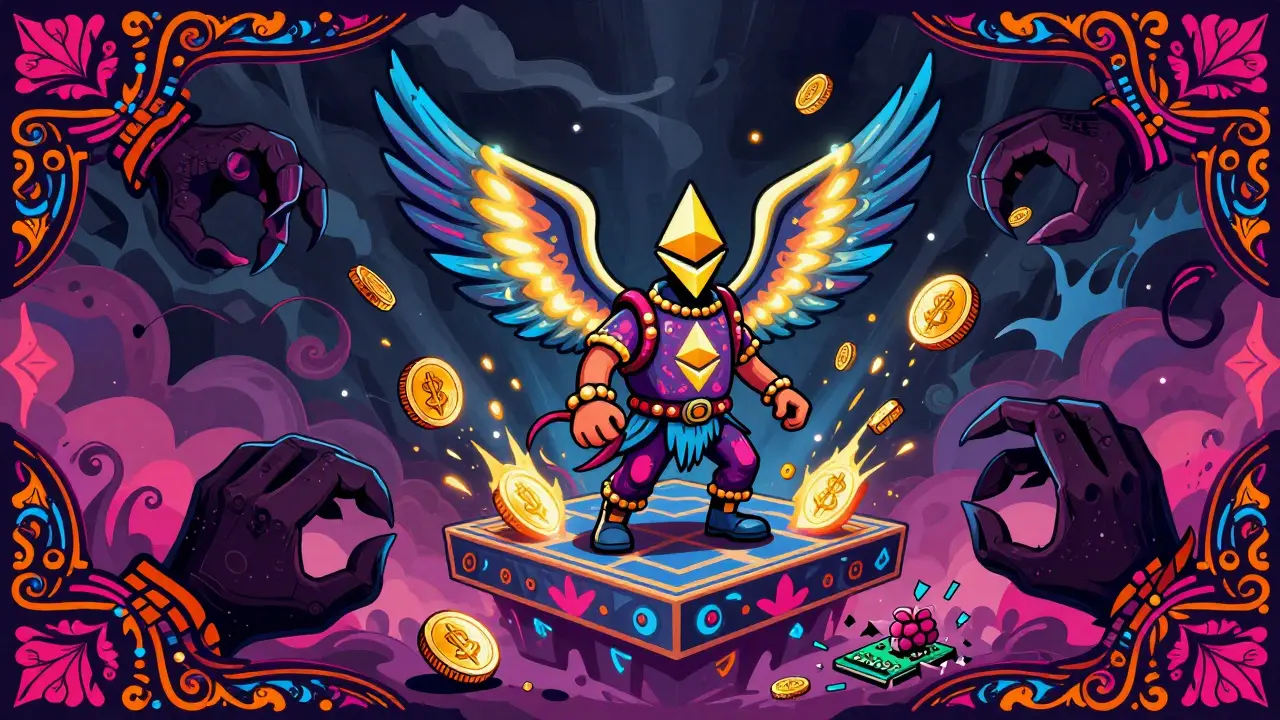
Slashing can erase your staking rewards overnight. Learn how it works, why it happens, and how to protect your crypto from losing 1% to 100% of your stake due to validator errors.
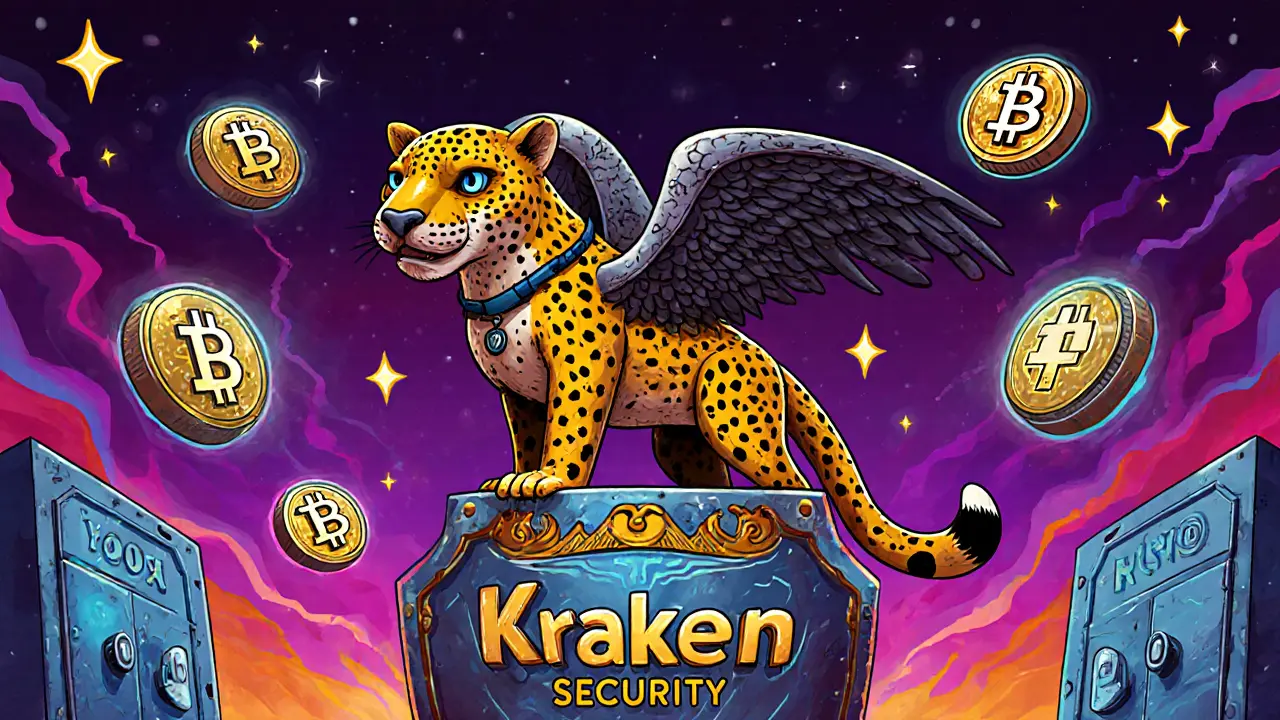
Find the best crypto exchange for your needs in 2025. Compare Kraken, Coinbase, Binance US, and Uphold on fees, security, staking, and ease of use to make the right choice.