
Remember the frenzy of May 2021? That was when YOOSHI launched its limited-time SHIB ARMY NFT airdrop to reward early community members on the Binance Smart Chain. If you missed it back then, or are just digging into crypto history, this guide breaks down exactly how that distribution worked, who got in, and what those digital assets actually were. It’s not just about nostalgia; understanding these mechanics helps you spot legitimate community rewards versus scams in today’s market.
The core promise here is simple: we’ll walk through the timeline, the eligibility rules, the tiered structure of the NFTs, and the technical requirements for claiming. By the end, you’ll know precisely how YooShi leveraged the Shiba Inu community to build engagement during one of the most volatile periods in crypto history.
Key Takeaways
- Timeline: The airdrop ran from May 27 to May 31, 2021 (UTC), giving participants a strict four-day window to claim their tokens.
- Eligibility: You had to join both the #YOOSHI and #CMC campaigns and whitelist your Binance Smart Chain address.
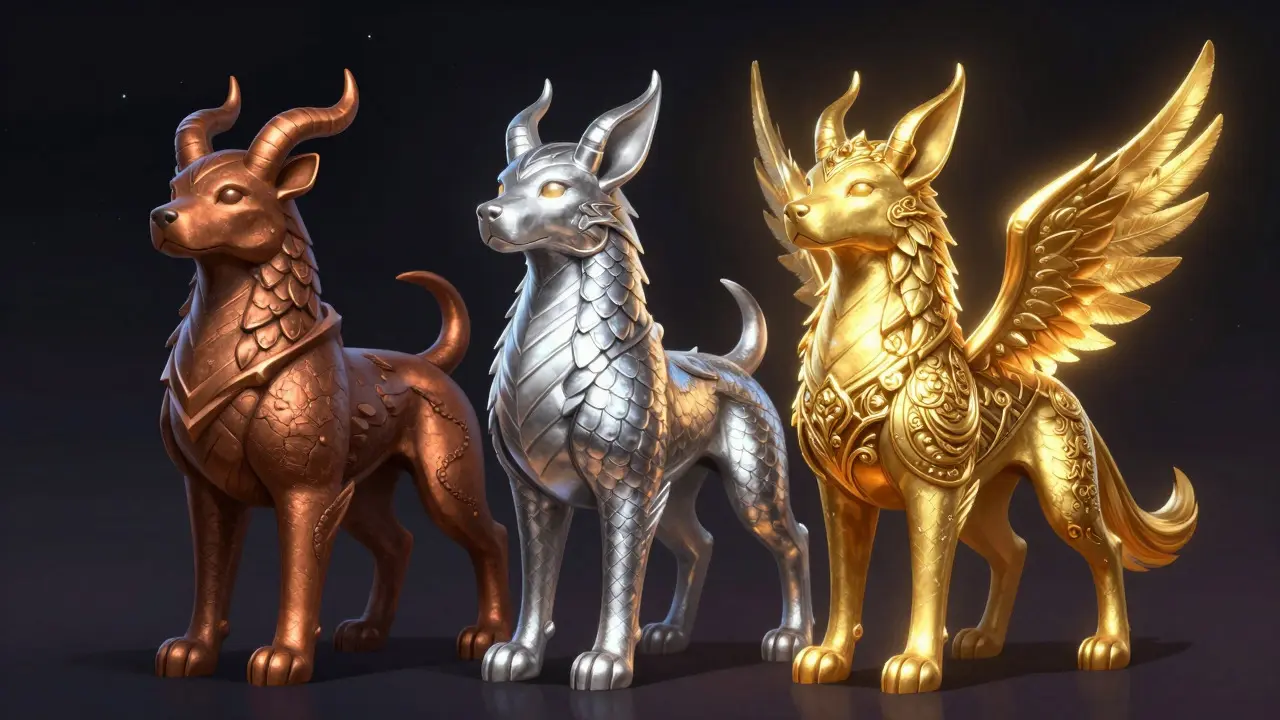
- Tiers: The collection featured Bronze, Silver, and Gold editions, creating a rarity hierarchy typical of NFT projects.
- Network: Everything happened on Binance Smart Chain (BSC), requiring compatible wallets like MetaMask configured for BSC.
- Ecosystem Context: This was part of the broader Shiba Inu movement, which often used token burns and community incentives to drive value.
What Was the YOOSHI SHIB ARMY NFT?
At its heart, the SHIB ARMY NFT is a digital collectible distributed by YooShi to incentivize loyalty within the Shiba Inu holder base. Unlike standard utility tokens, these were primarily status symbols and entry tickets to the YooShi community. The project positioned itself as a bridge between the massive Shiba Inu audience and more structured DeFi applications, using the "Army" branding to tap into the strong tribal identity of SHIB holders.
The total supply metric associated with the broader YooShi ecosystem reached over 45 billion tokens, indicating a massive scale. However, the NFT airdrop itself was a targeted drop. It wasn't open to everyone instantly; it required prior action. This friction was intentional. By forcing users to engage with multiple platforms-specifically CoinMarketCap and the YooShi Telegram channel-the team ensured that only active, interested users received the free allocation. This strategy filtered out passive holders and built a tighter, more engaged core group.
Eligibility and Whitelisting Process
Getting in wasn’t as simple as connecting a wallet. The process involved a multi-step verification that felt tedious at the time but served a clear purpose: anti-spam and genuine interest filtering. Here is how the logic worked:
- Join the Campaigns: Participants had to officially join the #YOOSHI campaign and the #CMC (CoinMarketCap) NFT airdrop initiative. This usually meant following social media accounts or signing up for newsletters.
- Whitelist Your Address: You needed to submit your Binance Smart Chain wallet address to the official whitelisting form. This created a record of who was eligible.
- Wait for the Window: Once whitelisted, you had to wait until May 27, 2021, at 1pm UTC. No early access was granted.
This setup relied heavily on trust. Since it was an airdrop, there was no upfront cost, but the risk of phishing was high. The primary communication hub was the YooShi Official Telegram Channel. Announcements there, such as the countdown posts starting in mid-May, were the source of truth. For example, a post on May 18, 2021, explicitly stated "5 Days left to join #YOOSHI's SHIB ARMY," creating urgency and keeping the community focused on the deadline.
NFT Tiers and Rarity Structure
Not all SHIB ARMY NFTs were created equal. The collection followed a classic rarity model, which is crucial for understanding potential secondary market value later on. The tiers were distinct:
| Edition Type | Rarity Level | Typical Utility/Status |
|---|---|---|
| Bronze Edition | Common | Basic community access, lowest perceived value |
| Silver Edition | Uncommon | Moderate status, better visibility in gallery |
| Gold Edition | Rare | Premium status, highest prestige within the army |
This tiered system mirrors what we see in many modern NFT drops. The Gold edition likely went to earlier adopters or those who completed additional tasks, while Bronze was the baseline for general participation. While specific floor prices for these exact NFTs aren't widely documented in public archives today, the structure suggests they were designed to be traded among collectors who valued their position in the YooShi hierarchy.
Technical Requirements: Why BSC?
You couldn't claim these NFTs on Ethereum mainnet. The entire infrastructure sat on Binance Smart Chain is a low-fee blockchain network that enables fast transactions and smart contract execution. This choice was strategic. In 2021, Ethereum gas fees were notoriously high, often costing more to mint or transfer an NFT than the asset was worth. By choosing BSC, YooShi kept costs near zero for participants, lowering the barrier to entry.
To participate, you needed a BSC-compatible wallet. Most users used MetaMask, but they had to add the BSC network manually if it wasn't pre-configured. The claiming platform was accessible through yooshi.io. When the window opened on May 27, users connected their wallets, verified their whitelisted status, and claimed their assigned tier. The four-day limit added pressure, ensuring the event concluded quickly and allowing the project to move forward with its next phase.
The Broader Shiba Inu Ecosystem Context
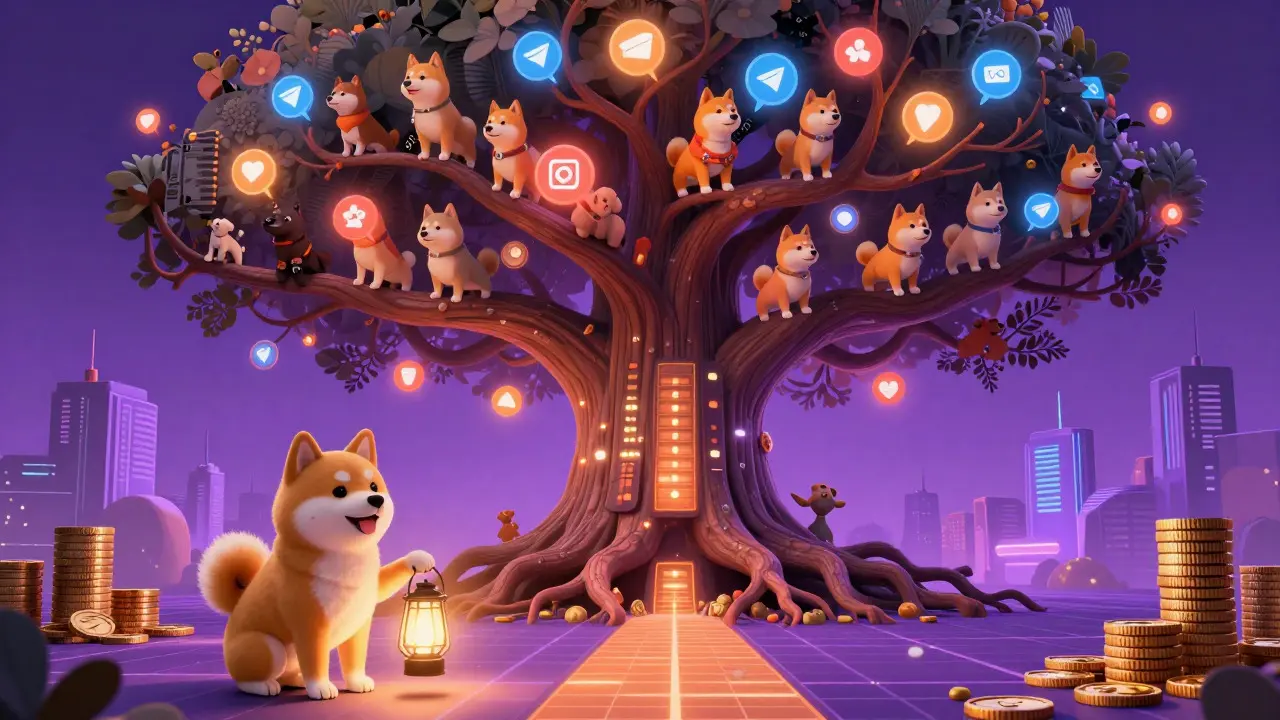
Understanding YOOSHI requires looking at the giant it rode: Shiba Inu (SHIB). The "SHIB ARMY" isn't just a marketing term; it’s a cultural identifier for the loyal base of SHIB holders. Projects within this ecosystem often share common traits:
- Deflationary Mechanics: Many related projects, like Shib Army Inferno, used 30% of NFT proceeds to buy and burn SHIB tokens. While the YOOSHI airdrop itself didn't always mandate a burn, the ecosystem norm pushed for reducing circulating supply to boost value.
- Community-Driven Growth: Success depended less on technology and more on social media hype, Telegram engagement, and cross-promotions with major platforms like CoinMarketCap.
- Timing with Market Cycles: The May 2021 launch coincided with the peak of the crypto bull run. NFTs were exploding in popularity, and memecoins were at their zenith. This perfect storm drove massive participation rates.
YooShi’s partnership with CoinMarketCap was significant. CMC is a neutral information provider, so their involvement lent credibility to a project that might otherwise be dismissed as a random meme spin-off. It signaled that YooShi had enough capital and influence to secure mainstream visibility.
Long-Term Impact and Current Status
So, what happened after the dust settled? The immediate aftermath saw a surge in activity on the YooShi Telegram channels. However, like many 2021 NFT drops, long-term utility became the challenge. Specific secondary market trading volumes for the original SHIB ARMY NFTs are scarce in public documentation today, suggesting that liquidity may have dried up or moved to private collections.
The Shiba Inu ecosystem has since evolved significantly. The focus has shifted toward Shibarium, a Layer 2 solution for SHIB, which now emphasizes DeFi applications and gaming. While the original YOOSHI airdrop was a standalone event, it paved the way for more complex integrations. Today, new airdrops in the space often require staking on Shibarium rather than simple social media follow-ups. The YOOSHI drop remains a historical case study in how early-stage crypto projects used low-friction, high-reward mechanisms to build initial traction.
Frequently Asked Questions
Can I still claim the YOOSHI SHIB ARMY NFT in 2026?
No, the official claiming window closed on May 31, 2021. If you did not claim it during that four-day period, the allocation was likely forfeited or returned to the pool. There is no current public mechanism to retroactively claim these specific 2021 NFTs.
Which blockchain network did the YOOSHI airdrop use?
The airdrop operated entirely on Binance Smart Chain (BSC). Participants needed a BSC-compatible wallet, such as MetaMask configured for the BSC network, to successfully connect and claim their NFTs.
What was the difference between the Bronze, Silver, and Gold editions?
The editions represented different rarity levels within the collection. Bronze was the most common, Silver was uncommon, and Gold was rare. Higher tiers typically indicated earlier participation or completion of additional community tasks, granting higher status within the YooShi ecosystem.
Did the YOOSHI airdrop involve buying SHIB tokens?
The initial airdrop itself did not require purchasing SHIB tokens; it was a free distribution based on whitelisting. However, the broader Shiba Inu ecosystem often linked NFT projects to token burns, where proceeds from related mints would buy and burn SHIB to reduce supply.
Why did YooShi partner with CoinMarketCap?
Partnering with CoinMarketCap provided legitimacy and massive exposure. CMC reaches millions of retail investors, so the joint #YOOSHI and #CMC hashtag requirement helped drive traffic to the airdrop from mainstream crypto audiences, not just niche Shiba Inu fans.