
Imagine paying Cryptomus to let you trade. That’s not a typo. Unlike most exchanges that charge you for every click, this platform offers negative maker fees, effectively rewarding you for providing liquidity. Sounds too good to be true? It might be. While the fee structure is attractive, a massive $176 million regulatory fine in Canada raises serious questions about whether your funds are truly safe. This review breaks down what works, what doesn’t, and why you need to think twice before depositing significant capital.
| Feature | Details |
|---|---|
| Founded | 2022 (Vancouver, Canada) |
| User Base | 800,000+ active users in 200+ countries |
| Maker Fees | -0.01% to 0.08% |
| Taker Fees | 0.04% to 0.1% |
| US Availability | No (Restricted region) |
What Is Cryptomus and Who Uses It?
Cryptomus is a cryptocurrency exchange and payment platform founded in 2022. Headquartered in Vancouver, it positions itself as a bridge between traditional finance and digital assets, specifically targeting users in emerging markets where banking infrastructure is shaky. If you live in the US, Japan, or Russia, you’re out of luck-these regions are restricted due to regulatory hurdles.
The platform serves over 800,000 users, with a heavy concentration in Africa, Southeast Asia, and Latin America. Why there? Because these regions often lack reliable access to global banking systems. Cryptomus fills that gap by offering Peer-to-Peer (P2P) trading and merchant payment solutions. It’s less about high-frequency algorithmic trading and more about everyday utility: sending money home, buying goods online, or swapping local currency for stablecoins like USDT.
Fees and Trading Costs: The Good and The Bad
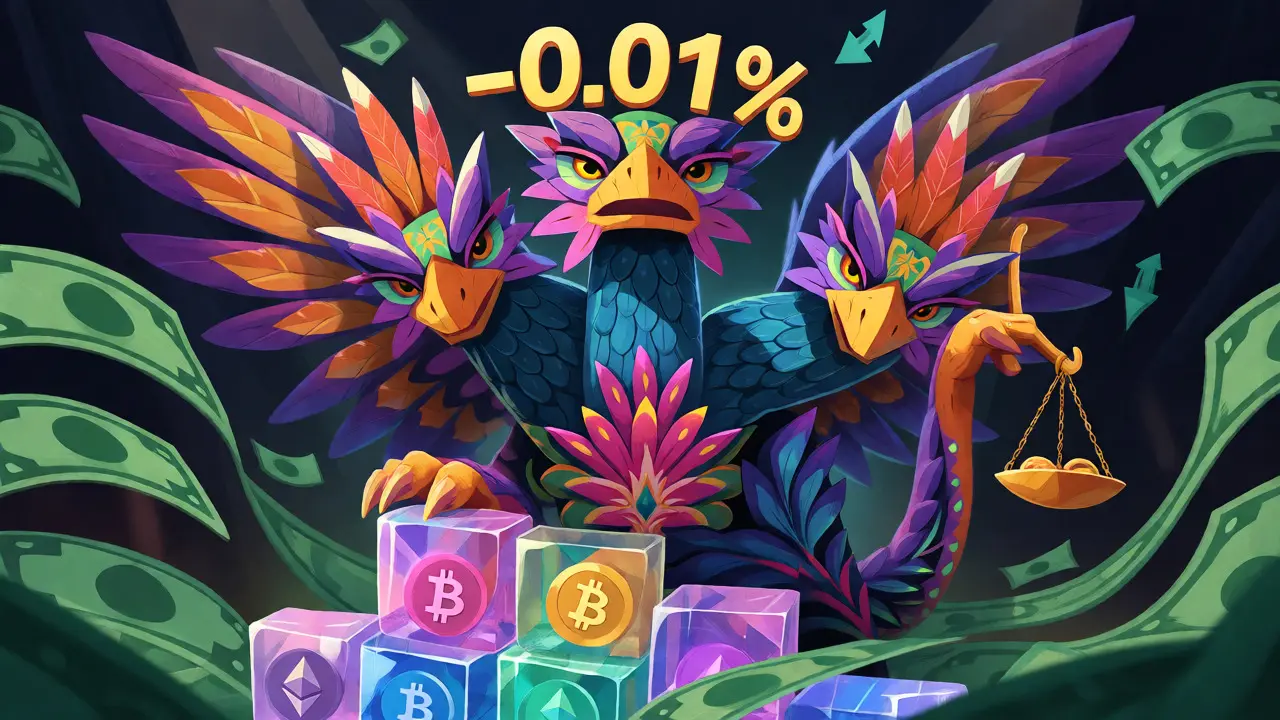
Let’s talk money, because this is where Cryptomus tries to win you over. Most major exchanges like Binance or Coinbase charge positive fees on both sides of a trade. Cryptomus flips this script. Their maker fees can go as low as -0.01%. Yes, negative. If you place a limit order that sits on the order book and gets filled later, they pay you a tiny fraction of the transaction value. Taker fees, which apply when you buy or sell immediately at market price, range from 0.04% to 0.1%.
For the average trader, these numbers are competitive but not revolutionary. However, for high-volume traders or those acting as market makers, the negative fees are a genuine perk. On the P2P side, the fee is a flat 0.1%, which is significantly lower than the 1% often seen on competitors like LocalBitcoins. But don’t let the low fees blind you. Hidden costs can arise from spread differences in P2P trades, so always check the effective rate before committing.
Security Measures vs. Regulatory Reality
Cryptomus markets itself heavily on security. They use SSL encryption, two-factor authentication (2FA), PIN protection, and cold storage for the majority of user assets. They even employ a dedicated team for vulnerability testing. On paper, this looks solid. You can whitelist withdrawal addresses and reset sessions if you suspect unauthorized access. For a mid-tier exchange, these features are standard expectations, not extras.
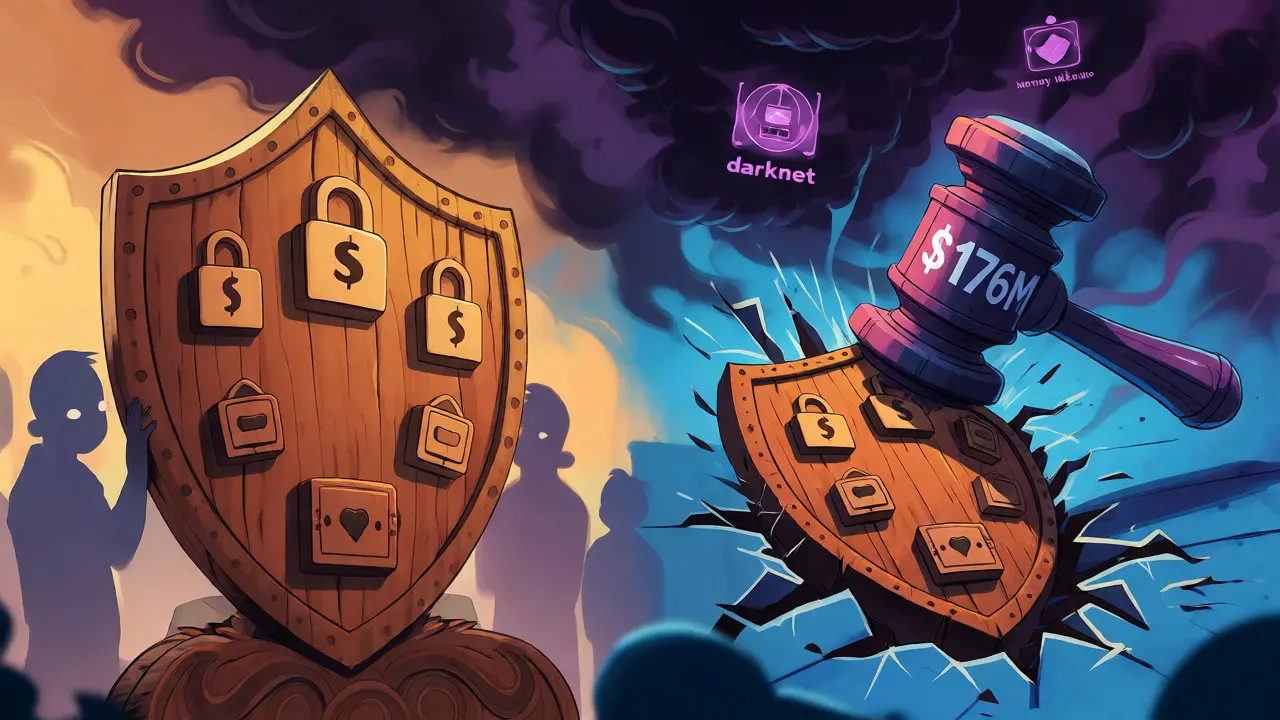
But here is the elephant in the room: regulation. In 2023, Canadian authorities fined Cryptomus $176 million. That’s not a small slap on the wrist; it’s roughly 85% of their estimated annual revenue. The charges? Facilitating cybercrime and money laundering. Specifically, they failed to report thousands of transactions linked to darknet markets and high-risk jurisdictions like Iran. This creates a weird disconnect. Technically, your coins might be encrypted and stored securely. Legally, the platform has demonstrated a poor track record of keeping bad actors off its books. If regulators decide to shut them down or freeze assets further, technical security won’t save your portfolio.
User Experience and Interface
If you ignore the headlines for a moment, the actual usage experience is surprisingly smooth. Users report being able to execute their first trade within 15 minutes of signing up. The interface is clean, intuitive, and available in 17 languages. The mobile app mirrors the web version well, making it easy to manage funds on the go.
Customer support is primarily handled via Telegram, which is common for crypto platforms but can feel informal for some. Response times have reportedly slowed from an average of 2 hours to 8 hours following the regulatory backlash. While they claim 24/7 availability, the quality of support during crises remains a point of contention. One Trustpilot reviewer noted that after hearing about the fine, they withdrew everything just to be safe, citing anxiety over potential fund freezes despite no immediate technical issues.
Supported Assets and Features
Cryptomus claims to support over 110 cryptocurrencies, but independent reviews suggest the actively traded pairs are closer to 18-20. This discrepancy matters. If you’re looking for obscure altcoins, you might find them listed, but liquidity could be thin. The core focus is on major assets like Bitcoin, Ethereum, and stablecoins (USDT, USDC).
They also have a native token called CRMS. Currently valued around $1, it can be withdrawn as USDT. The roadmap includes expanding CRMS utility to include governance rights, meaning holders might eventually vote on platform changes. For now, it’s mostly used for cashback rewards. Don’t expect advanced derivatives like futures or leveraged trading here. This is a spot and P2P playground, not a hedge fund’s dream.
Pros and Cons Summary
- Pros: Negative maker fees, low P2P fees (0.1%), fast settlement times, strong presence in emerging markets, intuitive UI.
- Cons: Massive regulatory fines ($176M), not available in the US/EU/Japan, limited fiat on-ramps, questionable AML/KYC enforcement history, reduced customer support speed.
Final Verdict: Should You Use Cryptomus?
If you are in an unsupported country like the US, this decision is made for you: look elsewhere. If you are in a supported region, particularly in Africa or Southeast Asia, Cryptomus offers a compelling case for P2P trading due to its low fees and speed. However, treat it as a transactional tool, not a vault. Do not keep large amounts of long-term holdings on the platform. The regulatory risk is real and unresolved. Use it to move funds quickly, then transfer to a hardware wallet or a more regulated exchange like Kraken or Coinbase if possible.
Is Cryptomus safe to use in 2026?
Technically, yes, due to standard encryption and cold storage practices. However, legally and financially, it carries higher risk than fully regulated competitors due to past regulatory fines and ongoing compliance restructuring. Users should exercise caution and avoid holding large balances.
Can I use Cryptomus in the United States?
No. The United States is one of the 47 countries where Cryptomus services are restricted due to regulatory constraints. Residents must use domestic exchanges compliant with SEC regulations.
What are the withdrawal limits on Cryptomus?
Limits vary based on verification level. Recently, unverified or newly verified accounts faced temporary restrictions, such as caps around 0.5 BTC equivalent, while the platform addressed compliance concerns. Fully verified users generally enjoy higher limits, but these can change dynamically based on regulatory pressure.
Does Cryptomus offer staking or savings?
Yes, Cryptomus offers staking rewards for certain cryptocurrencies and uses its native CRMS token for cashback incentives. However, yields are modest compared to dedicated DeFi protocols, and the primary focus remains on trading and payments.
How does Cryptomus compare to Binance?
Binance offers far more assets, advanced trading tools (futures, options), and higher liquidity. Cryptomus wins on specific P2P fee structures and accessibility in certain emerging markets but lacks the depth, regulatory clarity, and feature set of Binance.