

You’ve probably seen the buzz around Multi Asset Investment Vehicle (MAIV), described as a blockchain platform bridging decentralized finance and traditional private equity. The promise sounds too good to be true: access to high-yield institutional deals from your phone. But does it actually work, or is it just another flashy acronym in the crowded world of crypto?
The short answer is that MAIV is a speculative ERC-20 token on the Ethereum network aiming to tokenize private equity deals. As of May 2026, however, the data paints a picture of extreme volatility, low liquidity, and significant risk. If you are considering buying MAIV, you need to look past the marketing hype and understand exactly what this project is trying to do-and why the market has been skeptical.
What Exactly Is MAIV?
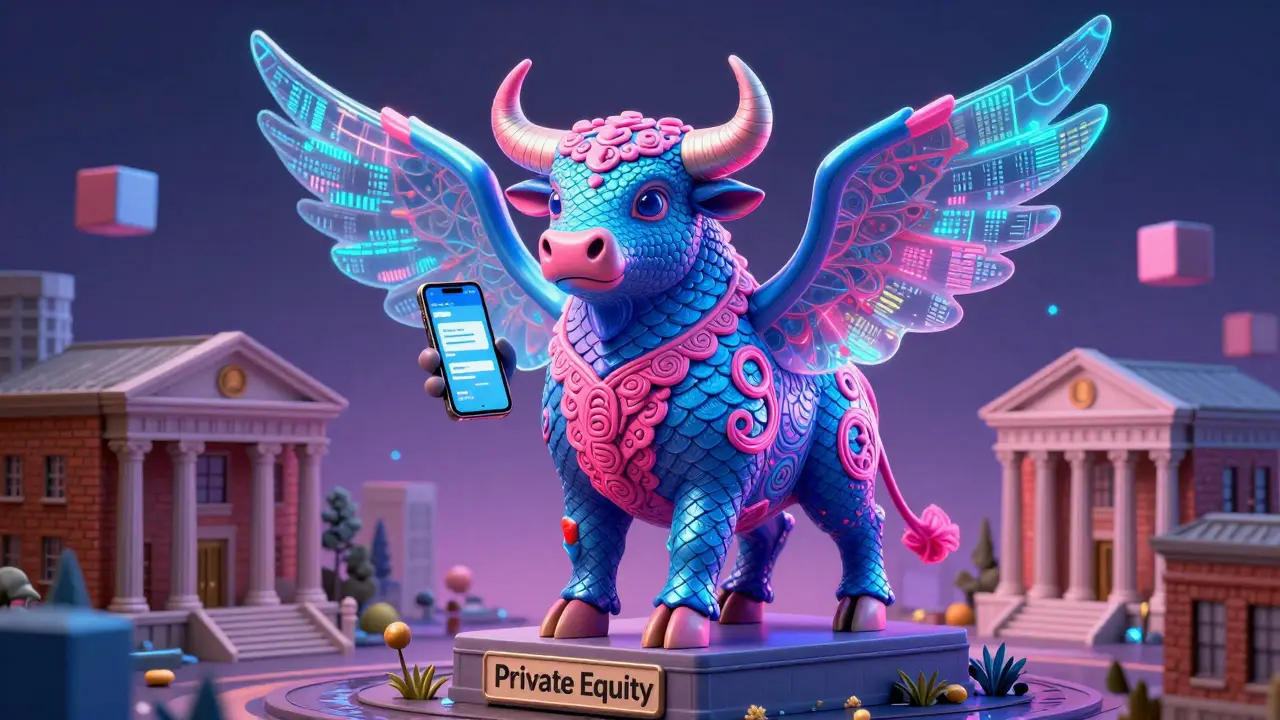
At its core, MAIV positions itself as a "private equity, on-chain" solution. In plain English, it tries to solve a specific problem: private equity investments usually require hundreds of thousands of dollars to enter and are locked up for years. They are reserved for hedge funds and wealthy individuals.
MAIV claims to use Web3 technology to break down these barriers. By tokenizing commercial deals, the platform theoretically allows everyday users to buy small fractions of these assets. This process, known as Real-World Asset (RWA) tokenization, turns illiquid physical or legal contracts into tradable digital tokens.
The platform states it works with private equity firms in Europe and the United States. The goal is to move capital across borders quickly and cheaply using blockchain infrastructure while maintaining compliance with financial regulations. It’s an ambitious concept, but execution is where things get tricky.
The Tokenomics: Supply and Ownership
To understand if MAIV is worth your attention, you have to look at the numbers behind the token. Here is the breakdown of the supply structure as reported by major trackers like CoinMarketCap:
- Total Supply: Fixed at 10 billion MAIV coins.
- Circulating Supply: Approximately 1.78 billion MAIV (though figures vary between sources).
- Fully Diluted Valuation (FDV): Around $6.06 million.
- Unique Holders: Only about 1,370 addresses.
That holder count is the red flag most people miss. For a project claiming to democratize global finance, having only 1,370 wallets holding the token suggests very limited adoption. It also means the price can be easily manipulated by a small group of large holders, often referred to as "whales." When ownership is concentrated, the risk of a sudden dump-where big holders sell all at once-is significantly higher.
Price Performance and Volatility
If you look at the price chart for MAIV, you will see wild swings. This isn’t the steady growth curve of established cryptocurrencies like Bitcoin or Ethereum. MAIV behaves like a high-risk speculative asset.
| Metric | Value | Context |
|---|---|---|
| Current Price | $0.0006 - $0.0007 USD | Varies by exchange |
| All-Time High (ATH) | $0.006005 USD | Reached Dec 3, 2025 |
| Decline from ATH | -89.91% | Severe correction |
| 24-Hour Volume | ~$1,990 USD | Extremely low liquidity |
| Market Cap | $1.08M - $1.21M | Micro-cap status |
Notice the drop from the all-time high in December 2025. A nearly 90% decline in five months is brutal. While crypto markets are volatile, this magnitude of loss often indicates failed expectations, lack of product development, or simply a loss of investor interest. The trading volume is also concerning. With less than $2,000 in daily trades on some platforms, you might find it difficult to sell your tokens without crashing the price further.

Where Can You Buy MAIV?
Unlike Bitcoin or Solana, you won’t find MAIV on every major exchange. Its availability is fragmented, which adds another layer of complexity for buyers.
- Centralized Exchanges: Platforms like Coinbase list the price, but actual trading pairs may be limited or non-existent depending on the region.
- Decentralized Options: You can interact with the token via wallets like Phantom or Delta. However, Phantom marks the token as "unverified." This doesn’t mean it’s a scam automatically, but it means the wallet provider hasn’t audited the contract for safety.
- Contract Address: On the Ethereum network, the contract address is
0x39903a1a6f289a67e0de94096915c4ccd506ab2a. Always double-check this address before connecting your wallet.
Crypto.com explicitly states that MAIV is "not tradable yet" on their platform. This inconsistency across exchanges highlights the token’s lack of institutional backing. Major platforms are cautious because they don’t want to host assets that could face regulatory crackdowns.
The Regulatory Elephant in the Room
This is the biggest hurdle for MAIV. The project promises "fully compliant infrastructure," but tokenizing private equity deals triggers securities laws in almost every country. In the US, the Securities and Exchange Commission (SEC) views many tokenized assets as unregistered securities.
If MAIV is selling fractional ownership in real companies or deals, those tokens likely qualify as securities. That means strict KYC (Know Your Customer) and AML (Anti-Money Laundering) rules apply. Most pure DeFi projects avoid this because it kills anonymity and slows down transactions. MAIV tries to bridge both worlds, but regulators are watching closely. If the SEC decides MAIV is operating illegally, the token could be delisted or frozen.

Is MAIV a Good Investment Right Now?
Let’s be direct: MAIV is not a safe investment. It fits the profile of a micro-cap altcoin with high speculative risk. Here is how to weigh the pros and cons:
The Bull Case: If MAIV successfully partners with major private equity firms and creates a liquid market for these assets, the upside could be massive. Real-world asset tokenization is a multi-trillion dollar opportunity. If they pull it off, early adopters could benefit.
The Bear Case: The current data shows declining momentum. The price has crashed 90%, volume is thin, and there are very few holders. There is no recent news or major partnership announcements to suggest a turnaround. The "unverified" status on wallets and absence from top-tier exchanges suggest the industry is waiting to see if this project survives.
For most investors, the risk outweighs the reward at this stage. If you must participate, treat it as venture capital money-money you are prepared to lose entirely. Never invest more than you can afford to burn.
Alternatives to Consider
If you like the idea of diversifying your portfolio beyond standard crypto, there are safer ways to achieve similar goals:
- Traditional Private Equity Crowdfunding: Platforms like Forge Global or Republic allow accredited investors to buy into startups legally.
- Established RWA Tokens: Look for larger projects focused on tokenized treasury bills or real estate that have clear regulatory licenses and higher liquidity.
- Blue-Chip Crypto: Bitcoin and Ethereum offer exposure to the broader crypto market with significantly lower risk of total loss.
Is MAIV a scam?
There is no definitive proof that MAIV is a scam in the sense of a fraudulent exit. However, it exhibits many characteristics of high-risk speculative projects: extreme price volatility, low liquidity, and lack of transparency regarding team credentials. The term "scam" can sometimes apply to projects that overpromise and underdeliver, which appears to be the case here given the 90% price drop.
How do I buy MAIV coin safely?
To buy MAIV, you typically need an Ethereum-compatible wallet like MetaMask or Phantom. You would then connect to a decentralized exchange (DEX) like Uniswap or swap directly within the wallet interface using the official contract address. Always verify the contract address from the official maiv.io website to avoid fake tokens. Be aware that gas fees on Ethereum can be high relative to the small value of the transaction.
Why is the MAIV price so low?
The low price reflects several factors: a massive circulating supply (1.78 billion+), very low trading volume, and a severe loss of confidence following an 89% crash from its all-time high. Low liquidity means there aren't enough buyers to support a higher price, and the market cap remains in the micro-cap range.
What is the difference between MAIV and regular DeFi?
Regular DeFi focuses on lending, borrowing, and trading digital assets on-chain. MAIV attempts to bridge DeFi with Traditional Finance (TradFi) by tokenizing off-chain private equity deals. This introduces regulatory complexities that standard DeFi protocols usually avoid. MAIV requires compliance infrastructure, whereas most DeFi is permissionless.
Can I trust MAIV's claim of being "fully compliant"?
Claims of compliance should be verified independently. As of May 2026, there are no public records of specific regulatory approvals from bodies like the SEC or EU financial authorities mentioned in available sources. Without transparent documentation of legal partnerships or licenses, "compliance" remains a marketing statement rather than a verified fact.