
You might have seen Efinity Token popping up in crypto discussions, especially if you care about non-fungible tokens. But what exactly is it? Is it just another coin trying to ride the hype train, or does it actually solve a real problem?
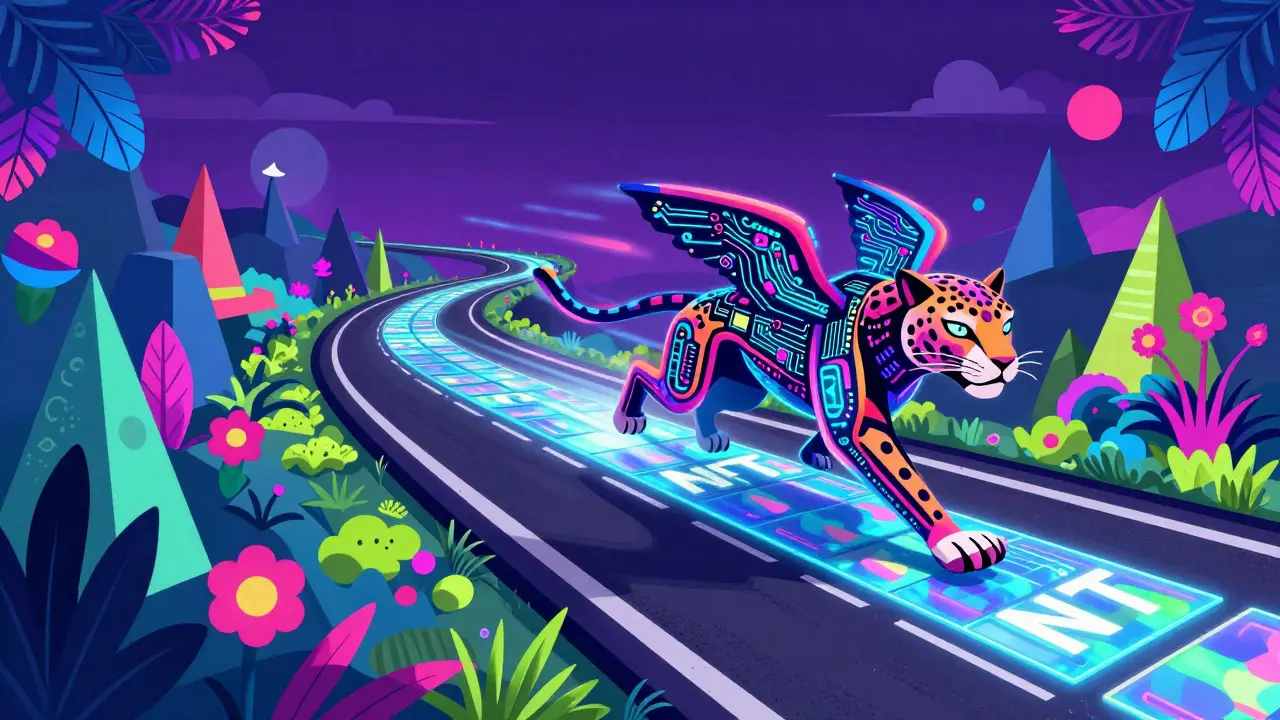
Here is the short answer: Efinity is a specialized blockchain network built for NFTs, and its native currency is the EFI token. It was created by Enjin, a company that has been in the crypto game since 2017. Instead of being a general-purpose chain like Ethereum, Efinity is designed as an "NFT highway." Its goal is to make creating, trading, and using digital assets fast, cheap, and easy for everyone, not just tech experts.
The Problem with Current NFT Blockchains
To understand why Efinity exists, you first need to look at what was broken before it arrived. For years, most NFTs lived on Ethereum. While Ethereum is secure and popular, it has two major headaches: high fees and slow speeds. When the network gets busy, sending an NFT can cost more than the NFT itself. Plus, transactions can take minutes or even hours to confirm.
This friction keeps regular people out. If you want to buy a digital collectible or use an item in a video game, you don't want to wait ten minutes and pay $50 in gas fees. You want it to happen instantly, like buying something on Amazon. That is the gap Efinity aims to fill.
How Efinity Works: The Polkadot Connection
Efinity isn't built from scratch in isolation. It runs as a parachain on the Polkadot network. Think of Polkadot as a city infrastructure and Efinity as a specialized delivery service operating within that city. By winning a Polkadot parachain auction in late 2021, Efinity secured a slot to share Polkadot’s security while maintaining its own specific rules and economics.
This setup gives Efinity some serious advantages:
- Speed: Efinity can process between 700 to 1,000 transactions per second (TPS). Compare that to Ethereum’s typical 15 TPS, and you see why this matters for gaming and instant trades.
- Fast Confirmations: Transactions usually confirm in about 6 seconds. That is close enough to "instant" for most user experiences.
- Cross-Chain Compatibility: Because it sits on Polkadot, Efinity can easily talk to other blockchains. This is crucial for moving assets around without getting stuck on one isolated network.
What Can You Actually Do With EFI?
Holding the EFI token isn't just about hoping the price goes up. It has real utility within the Efinity ecosystem. Here is how you will likely use it:
- Paying Transaction Fees: Just like you need ETH for Ethereum, you need EFI to pay for actions on the Efinity network. However, the costs are significantly lower due to the network's efficiency.
- Governance Voting: Efinity is decentralized. Holders of EFI get to vote on proposals that shape the future of the network. Want a new feature added? You help decide if it happens.
- Staking for Discounts: You can stake your EFI tokens to earn rewards or get discounts on transaction fees. This incentivizes long-term holding rather than quick selling.
- Accessing JumpNet: Efinity works alongside JumpNet, a sidechain developed by Enjin. Holding EFI allows for seamless interaction across these layers, enabling free trading and faster asset transfers.
Unique Features That Set Efinity Apart
If every blockchain promised speed and low fees, Efinity would just be another option. But it includes some clever features designed specifically for the NFT experience.
Fuel Tanks
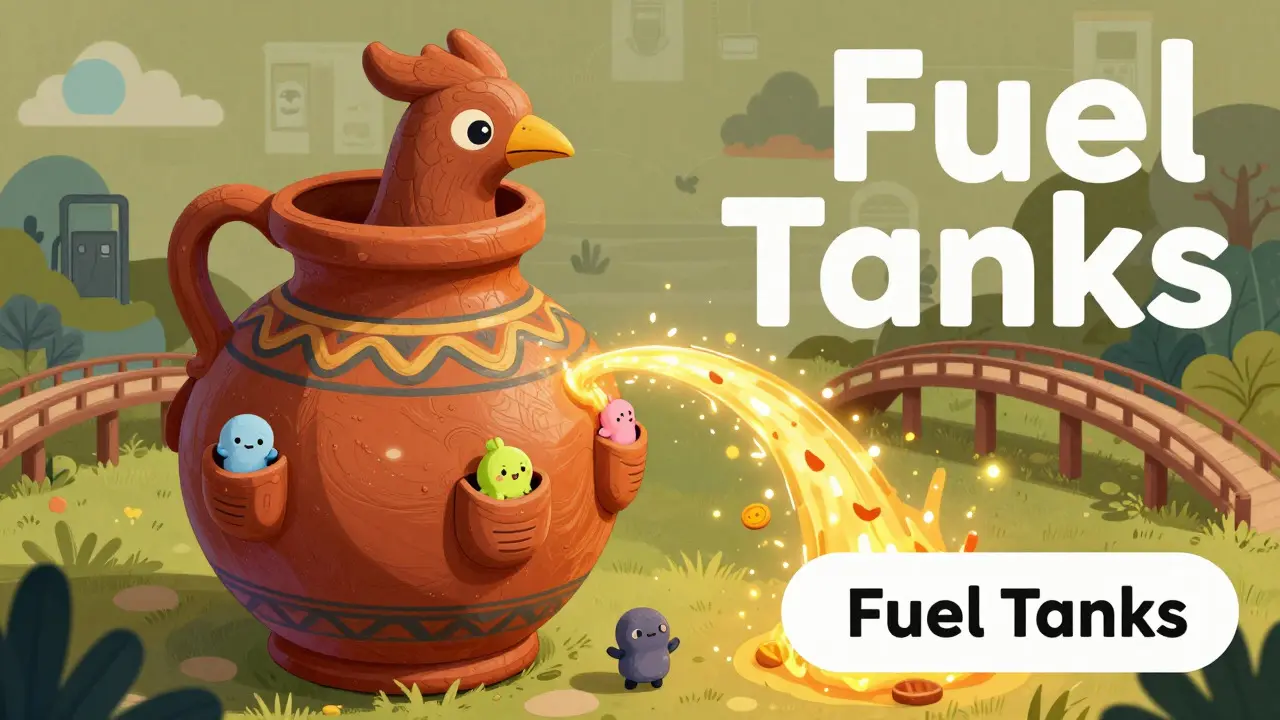
One of the biggest barriers for new users is managing gas fees. What if you didn't have to worry about having enough crypto in your wallet to send a transaction? That is what Fuel Tanks do. They act as a collective pool of tokens managed by wallets or accounts. Users can dip into this tank to cover transaction costs, making the experience smoother. Imagine filling up your car once and letting the system handle the small tolls along the way.
No Wallet Needed for Basic Use
Traditional crypto requires you to manage seed phrases, private keys, and complex wallet software. Efinity aims to abstract this away. End-users can participate in transactions without needing a full-blown blockchain wallet interface. This lowers the entry barrier dramatically for gamers and casual collectors who just want their digital items, not a lesson in cryptography.
Crafting and Gamification
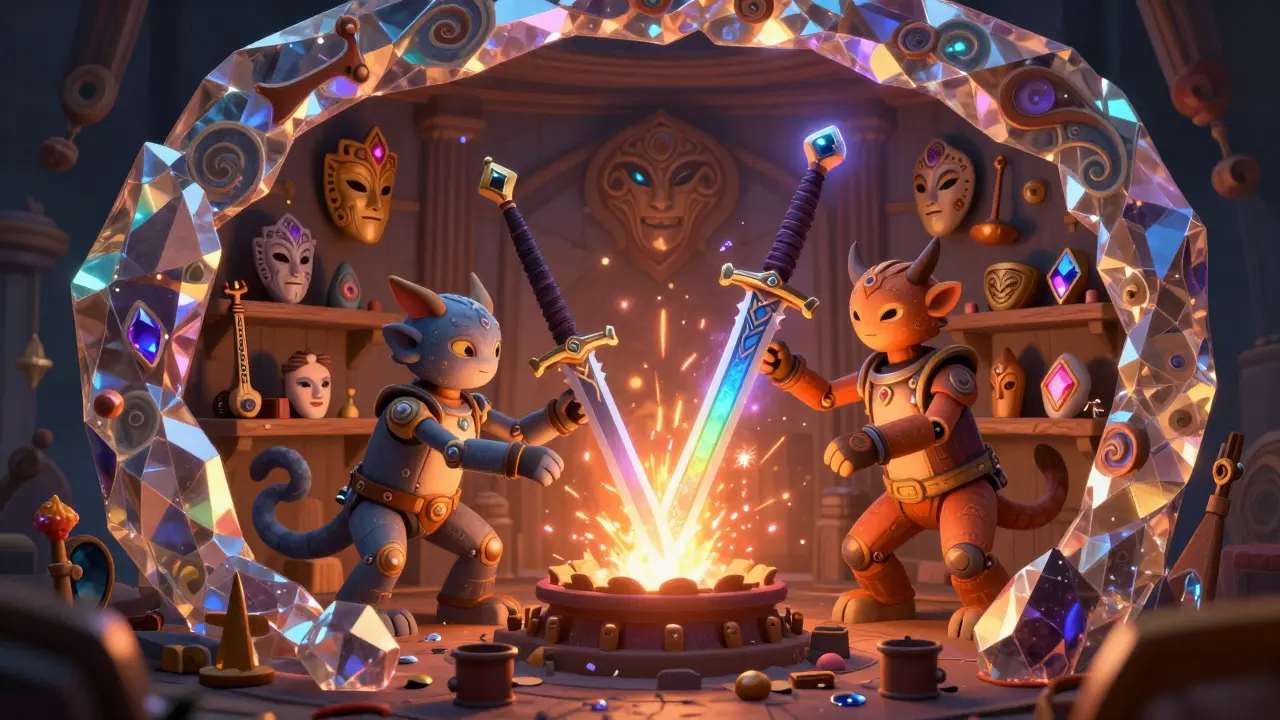
Efinity supports a "crafting" feature. Developers can create recipes where users combine existing tokens to mint new ones. This is huge for gaming. Imagine combining two basic swords in a game to forge a legendary blade. The logic happens on-chain, ensuring true ownership and scarcity, but it feels like normal gameplay mechanics.
Tokenomics: Supply and Distribution
When evaluating any crypto project, you need to know how many coins exist and who holds them. Efinity has a fixed maximum supply of 2 billion EFI tokens. There is no infinite printing press here. The distribution looks like this:
| Category | Percentage | Purpose |
|---|---|---|
| Ecosystem Development | 35% | Grants, partnerships, and growth initiatives |
| Team & Company | 30% | 10% Team, 20% Company (vested over time) |
| Investors | 20% | Seed rounds and public sales |
| Staking Pools | 15% | Rewards for validators and stakers |
Note that the team and company shares are typically vested, meaning they don't get all the tokens at once. This aligns their interests with the long-term health of the project. If they dump everything immediately, the price crashes, and their investment becomes worthless.
Is Efinity Secure?
Security is paramount in crypto. Since Efinity relies on Polkadot’s relay chain for consensus, it inherits the robust security model of the Polkadot network. Validators on Polkadot secure the data availability and state transitions for Efinity.
Additionally, Enjin launched a bug bounty program via HackerOne back in 2020. This invited ethical hackers to try and break the system before it went live. Finding and fixing bugs early is standard practice for serious projects, and it suggests that security was a priority from day one, not an afterthought.
Who Is Efinity For?
Efinity isn't trying to replace Bitcoin or Ethereum. It has a specific niche. It is best suited for:
- Game Developers: Who need fast, cheap transactions for in-game items and economies.
- NFT Creators: Who want to launch collections without burdening buyers with high gas fees.
- Enterprises: Looking to tokenize real-world assets or loyalty points with a scalable backend.
- Casual Traders: Who want to swap NFTs quickly without navigating complex DeFi interfaces.
If you are a hardcore DeFi trader looking for complex yield farming strategies, Efinity might feel too simple. But if you want to move digital assets efficiently, it is a strong contender.
The Future Outlook
As of 2026, Efinity is past the experimental phase. It is a mature, operational network. The focus now is on adoption. The vision is for NFTs to become as common as smartphones-something you use daily without thinking about the underlying technology. By integrating with platforms like NFT.io and expanding cross-chain bridges, Efinity is positioning itself as a core piece of infrastructure in the multi-chain world.
The challenge remains competition. Other Layer-2 solutions and alternative L1 chains are also racing to solve the scalability issue. Efinity’s edge lies in its deep integration with the Enjin ecosystem, which already has thousands of developers and games plugged in. Network effects matter. If more games use Efinity, more users will hold EFI, which attracts more developers.
Is Efinity Token (EFI) a good investment?
Like any cryptocurrency, EFI carries risk. Its value depends on the adoption of the Efinity network by developers and users. If more games and marketplaces build on Efinity, demand for EFI (for fees and governance) should rise. Always do your own research and consider your risk tolerance before investing.
How is Efinity different from Ethereum?
Ethereum is a general-purpose blockchain that handles everything from DeFi to NFTs, often leading to congestion and high fees. Efinity is a specialized NFT-focused blockchain built on Polkadot. It offers much higher transaction speeds (up to 1,000 TPS vs Ethereum's ~15 TPS) and lower costs, making it better suited for high-frequency applications like gaming.
Do I need a special wallet to use Efinity?
While you can use standard wallets that support Polkadot-based networks, Efinity is designed to reduce complexity. Many interactions, especially through partner apps and games, allow users to transact without managing a traditional blockchain wallet directly, thanks to features like Fuel Tanks.
What is the total supply of EFI tokens?
The maximum supply of Efinity Token is capped at 2 billion EFI. This fixed supply creates scarcity, assuming demand grows with network usage.
Can I transfer NFTs from Ethereum to Efinity?
Yes. Efinity includes cross-chain bridge infrastructure. This allows ERC-20, ERC-721, and ERC-1155 tokens from Ethereum to be imported onto the Efinity network, where they can benefit from faster transactions and lower fees.