
For years, creators have been at the mercy of platform algorithms. One day you’re trending; the next, your reach is cut in half without warning. This volatility has pushed many influencers, artists, and writers to look for more stable ways to connect with their audiences and earn income. Enter Creator Tokens, which are digital assets issued by content creators to reward fans, unlock exclusive content, or give community members a say in future projects. Unlike traditional subscriptions that lock you into a single app, these tokens live on blockchains, giving users true ownership and portability.
But not all creator tokens work the same way. Some act like loyalty points, others like voting shares, and some function as speculative investments. Understanding the difference between these models is crucial before you decide to issue one or buy into someone else’s project. Let’s break down how these systems actually work, why they matter, and what pitfalls you need to watch out for.
What Exactly Are Creator Tokens?
At their core, creator tokens are cryptographic units that represent value within a specific creator’s ecosystem. Think of them as digital badges of membership that carry utility beyond just showing support. When an artist issues a token, they aren’t just selling a JPEG; they are creating a new economic layer around their brand.
These tokens typically operate on established blockchains like Ethereum, Polygon, or Solana. The choice of blockchain matters because it affects transaction fees (gas costs) and speed. For example, issuing a token on Ethereum might cost hundreds of dollars during peak times, whereas Polygon offers near-zero fees, making it ideal for micro-transactions between fans and creators.
The key distinction here is ownership. In a traditional Patreon model, if Patreon shuts down or bans your account, you lose access to your supporters and funds. With a blockchain-based token, the asset lives on a decentralized ledger. Even if the original platform disappears, the token itself remains valid and transferable, provided the underlying smart contract is secure.
Three Main Models of Creator Tokenization
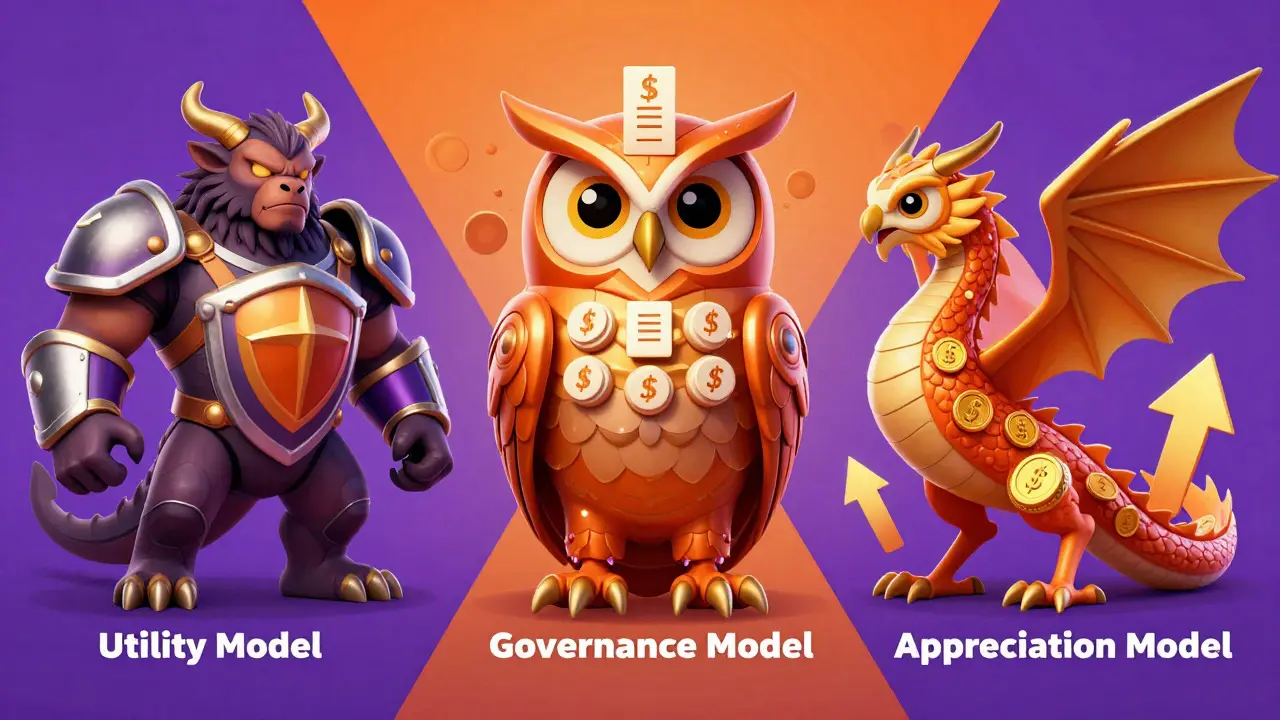
Not every creator uses tokens for the same purpose. Generally, we see three distinct models emerging in the market. Each serves a different job-to-be-done for both the creator and the fan.
- The Utility Model: These tokens act as keys. Holding a certain number of tokens grants access to exclusive Discord channels, early ticket sales, or behind-the-scenes content. The value comes from the perks, not price speculation. Artists like Grimes have experimented with this by linking NFTs to royalty streams.
- The Governance Model: Here, tokens give holders voting power. Fans can vote on what song gets released next, which charity receives donations, or even the direction of a podcast episode. This creates a sense of co-creation and deepens community engagement. It turns passive consumers into active stakeholders.
- The Appreciation Model: Often called "fan tokens," these are designed to increase in value as the creator’s popularity grows. Fans buy them hoping to sell later at a profit. While attractive, this model carries higher regulatory risk because it resembles securities trading rather than simple utility.
Most successful projects blend these models. A musician might offer governance rights for major decisions while using utility tokens for concert merch discounts. Mixing models helps balance immediate revenue with long-term community building.
| Model Type | Primary Benefit | Risk Level | Best For |
|---|---|---|---|
| Utility | Access to exclusive content/perks | Low | Content creators, educators |
| Governance | Community decision-making power | Medium | Communities, DAOs, open-source projects |
| Appreciation | Potential financial gain for fans | High | Famous celebrities, high-growth brands |
Why Creators Are Switching to Blockchain
The shift isn’t just about technology hype; it’s about economics. Traditional platforms take significant cuts-often 30% or more-from subscriptions and tips. Blockchain transactions bypass intermediaries, allowing creators to keep nearly 100% of the primary sale value after minimal network fees.
Additionally, tokens enable direct relationships. On Twitter or Instagram, the platform owns the audience data. With a tokenized community, the creator knows exactly who holds their tokens. This transparency allows for better marketing, personalized rewards, and stronger trust. You stop renting an audience and start owning a community.
Another advantage is global accessibility. Fans in countries with limited banking infrastructure can still participate if they have internet access and a crypto wallet. This opens up new revenue streams from regions previously underserved by PayPal or Stripe.
Risks and Challenges to Consider
Despite the benefits, creator tokens are not without risks. Volatility is the biggest concern. If a creator loses relevance, their token price can crash to zero, leaving fans with worthless assets. This happened to several high-profile fan token projects when public interest waned.
Regulatory uncertainty also looms large. Governments worldwide are still figuring out how to classify these tokens. If a token is deemed a security, creators may face legal hurdles requiring registration with financial authorities. This adds complexity and cost that small creators might not afford.
User experience remains a barrier too. Managing private keys, understanding gas fees, and avoiding phishing scams require technical knowledge. Many potential fans abandon the process simply because setting up a wallet feels too complicated compared to clicking "Subscribe" on YouTube.
Real-World Examples That Worked
To understand what success looks like, let’s look at actual cases. Snoop Dogg launched his own cryptocurrency, SNOOP, which initially surged due to hype but eventually stabilized as he integrated it into his broader business ventures. His approach focused on utility-using the token for discounts at his restaurants and merchandise stores.
Another example is the band KISS, which issued NFTs tied to physical memorabilia. Buyers received both a digital certificate and a real-world item, bridging the gap between digital and physical value. This hybrid model reduced pure speculation and anchored the token’s worth in tangible goods.
In the gaming space, developers have used tokens to reward players for contributing to game development. Players who help design levels or test features receive tokens that grant in-game advantages or future dividends. This aligns incentives perfectly: the better the game becomes, the more valuable the tokens become.
How to Start Your Own Creator Token
If you’re considering launching a token, start with clear goals. Ask yourself: What problem am I solving? Is it funding, community engagement, or something else? Don’t create a token just because it’s trendy. Without genuine utility, adoption will stall quickly.
Next, choose the right blockchain. For most beginners, Polygon or Binance Smart Chain offer low fees and fast transactions. Avoid mainnet Ethereum unless you expect high-volume trades where users are willing to pay premium gas costs.
Then, define your distribution strategy. Will you sell tokens directly to fans? Use an initial coin offering (ICO)? Or distribute them gradually through rewards? Fair launch mechanisms build trust faster than presales dominated by insiders.
Finally, focus on education. Provide tutorials on how to buy, store, and use your tokens. Create video guides, FAQs, and live Q&A sessions. Reducing friction for non-technical users is essential for mass adoption.
The Future of Creator Economies
As blockchain technology matures, we’ll likely see more seamless integration between social media and token economies. Imagine liking a post automatically minting a micro-token, or commenting triggering a small reward. These interactions could happen invisibly in the background, making tokenization feel natural rather than forced.
We may also witness the rise of interoperable tokens. Instead of being locked into one creator’s ecosystem, tokens could be traded across platforms. A fan holding tokens from multiple artists might combine them to unlock joint experiences, like virtual concerts featuring all those creators.
Ultimately, creator tokens represent a fundamental shift in how we value creative work. They move us away from ad-driven models toward direct patronage powered by code. While challenges remain, the potential for fairer compensation and deeper connections makes this space worth watching closely.
Are creator tokens legal?
Legality depends on jurisdiction and token structure. Utility tokens generally face fewer regulations than investment tokens. Always consult a legal expert familiar with securities law in your country before launching.
Do I need coding skills to create a creator token?
No. Platforms like Mint.fun, Rally, and OpenSea allow no-code token creation. You can configure supply, name, and symbols visually without writing smart contracts manually.
How do fans spend creator tokens?
Spending methods vary. Common uses include purchasing exclusive content, voting on polls, redeeming merchandise, or accessing private communities. Some tokens can also be traded on secondary markets.
What happens if my creator token drops in value?
If you hold utility tokens, price drops don’t necessarily reduce access to perks. However, appreciation-focused tokens lose monetary value. Diversify holdings and treat speculative tokens as high-risk investments.
Can I convert creator tokens back to fiat currency?
Yes, if listed on exchanges. Most creator tokens trade on decentralized exchanges (DEXs) like Uniswap or centralized ones like Binance. Liquidity varies widely, so check trading volume before buying.