
Have you ever wanted the speed of a centralized exchange like Binance but kept your keys in your own wallet? That is exactly the promise behind RubyDex. It claims to be a Layer-2 derivatives decentralized exchange (DEX) that lets you trade perpetual futures on crypto, stocks, forex, and even NFTs without giving up custody of your funds. On paper, it sounds like the holy grail of DeFi trading.
But here is the catch: as of mid-2026, RubyDex is still an emerging player with almost no visible market traction. While the technology is ambitious, the data tells a different story. This review breaks down what RubyDex actually offers, how its hybrid architecture works, and whether it is safe enough for your capital right now.
What Is RubyDex?
RubyDex is a multichain decentralized exchange focused on linear contract perpetual futures across cryptocurrencies, traditional assets, and NFTs. Unlike standard spot trading DEXs where you swap Token A for Token B, RubyDex focuses on derivatives. This means you are betting on the price movement of an asset without owning it.
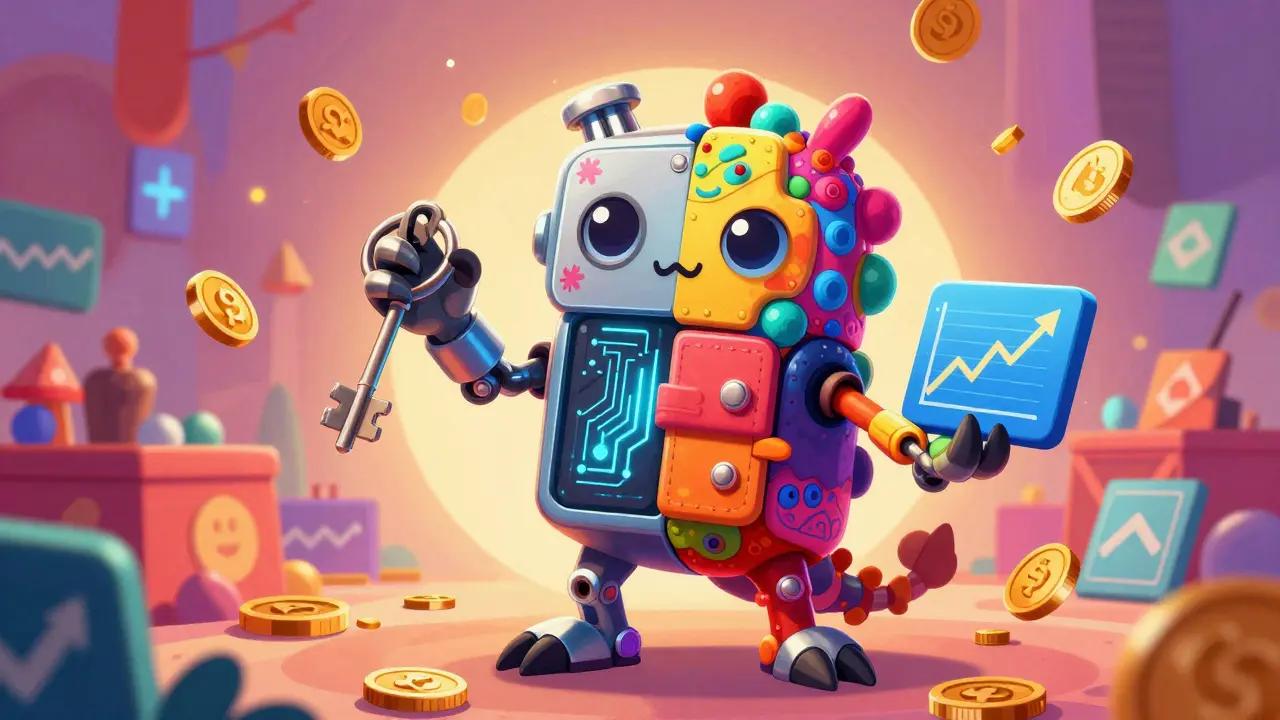
The platform positions itself as a bridge between two worlds. It uses a hybrid architecture. The "centralized zone" handles the matching engine to ensure trades execute instantly, just like on Coinbase or Kraken. The "decentralized zone" keeps your funds in your connected wallet. You never deposit money into a RubyDex bank account; you sign transactions directly from your MetaMask or WalletConnect interface.
This setup aims to solve the biggest pain point in DeFi: slippage and slow execution. By using an order book model rather than automated market makers (AMMs), RubyDex tries to give professional traders the tools they need while keeping the security benefits of self-custody.
Key Features and Asset Classes
RubyDex stands out because of what it lets you trade. Most derivatives DEXs stick strictly to Bitcoin and Ethereum. RubyDex goes much broader.
- Crypto Perpetuals: Standard long and short positions on major coins like BTC, ETH, and SOL.
- Traditional Assets: Perpetual contracts for stocks (like Tesla or Apple), forex pairs (EUR/USD), and commodities (Gold, Oil). This is rare in the crypto space due to regulatory hurdles.
- NFT Perpetuals: You can trade the floor price of NFT collections. Data is pulled from marketplaces like Blur, OpenSea, and LooksRare. Instead of buying the actual JPEG, you trade its value fluctuation.
- Multi-Chain Support: Designed to work across major blockchains, reducing the need for complex bridging.
The liquidity pool system is also unique. Liquidity Providers (LPs) lend assets to professional market makers. In return, LPs earn flexible APYs based on interest rates paid by those market makers. This is different from Uniswap, where LPs earn fees from direct swaps.
Security and Architecture Risks
Let’s talk about safety. Since you keep your funds in your wallet, you avoid the risk of the exchange getting hacked and losing your deposits. That is a huge plus. However, "self-custody" doesn't mean "risk-free."
RubyDex relies on smart contracts for the decentralized zones. If there is a bug in the code, hackers could drain funds from open positions. Because RubyDex is relatively new, it has not undergone the same level of public scrutiny or third-party audits as giants like GMX or dYdX.
Furthermore, the hybrid model introduces a centralization vector. The matching engine runs on cloud servers. If those servers go down, or if the team decides to censor certain addresses, your ability to trade is impacted. It is a trade-off: you get speed, but you rely on their infrastructure for the core trading logic.
| Feature | RubyDex | GMX / dYdX | Centralized Exchanges (Binance) |
|---|---|---|---|
| Fund Custody | Self-Custody (Wallet) | Self-Custody (Vault) | Exchange Holds Funds |
| Asset Variety | Crypto, Stocks, Forex, NFTs | Crypto Only | Crypto Only |
| Liquidity Source | Market Makers + LPs | GLP/GMX Tokens | Internal Order Book |
| Regulatory Risk | High (TradFi Assets) | Medium | Low (KYC Required) |
| Current TVL | $0.0M (Untracked) | $300M+ | N/A |

The Reality Check: Low Adoption and Data Gaps
Here is where things get tricky. Despite the flashy features, RubyDex has very little market presence. As of late 2025 and early 2026, platforms like HittinCorners report RubyDex’s Total Value Locked (TVL) at $0.0 million. CoinMarketCap lists it as an "Untracked Listing," meaning they cannot verify its trading volume.
Why does this matter? Liquidity. If you try to open a large position on RubyDex, you might face high slippage because there aren’t enough buyers and sellers in the pool. Compare this to GMX, which had over $336 million in TVL in late 2024. Deep liquidity ensures your trade executes at the price you expect. Shallow liquidity means you pay more in hidden costs.
There are also no significant user reviews on Trustpilot or Reddit’s r/DeFi community. For a platform handling financial derivatives, this silence is concerning. Users usually complain when things go wrong, but they also praise platforms that work well. The absence of both suggests few people are actually using it.
Regulatory Red Flags
RubyDex allows trading of stock and forex perpetuals. This puts it in a legal gray area. In the United States, the SEC has been aggressive against platforms offering unregistered securities derivatives. Remember the Ooki DAO case in July 2024? Trading equity tokens without proper licensing is risky.
If regulators crack down on RubyDex, they could block access for US users or shut down parts of the service. This adds a layer of uncertainty that pure crypto DEXs don’t always face. Always check your local laws before trading synthetic assets representing real-world stocks.

Who Should Use RubyDex?
RubyDex is likely only suitable for specific types of users:
- Experienced DeFi Traders: People who understand gas fees, wallet connections, and the risks of smart contracts.
- Speculators on TradFi Assets: Traders who want exposure to gold or tech stocks without leaving the crypto ecosystem.
- NFT Floor Traders: Those who want to hedge or speculate on NFT collection values without holding the actual assets.
It is not recommended for beginners. The complexity of derivatives, combined with the lack of established support and low liquidity, makes it a dangerous playground for new investors.
Better Alternatives in 2026
If you are looking for a reliable derivatives DEX, consider these established options first:
- GMX: High liquidity, proven track record, supports multiple chains (Arbitrum, Avalanche).
- dYdX: Fully decentralized order book, strong focus on crypto perpetuals.
- Kwenta: Good for limit orders and advanced strategies on Optimism.
These platforms have millions in TVL, active communities, and transparent audit histories. They may not offer stock or NFT perpetuals yet, but they are safer bets for capital preservation.
Final Verdict: Wait and Watch
RubyDex has an innovative vision. Combining crypto, trad-fi, and NFTs into one self-custodial interface is ambitious. However, innovation alone doesn't make a platform safe. With zero reported TVL, untracked volume, and significant regulatory risks, RubyDex remains too early for serious investment.
Treat it as a project to watch, not a place to park your savings. Until we see verified volume growth, third-party audits, and a robust user community, stick to established exchanges for your derivative trading needs.
Is RubyDex safe to use?
Safety is relative. While you retain custody of your funds via your wallet, the smart contracts powering RubyDex have not seen widespread public testing or major third-party audits compared to older platforms. Additionally, the low liquidity increases the risk of slippage and manipulation. Proceed with extreme caution and never invest more than you can afford to lose.
Does RubyDex require KYC?
No, RubyDex operates as a decentralized exchange. You connect your Web3 wallet (like MetaMask) to trade. There is no identity verification process. However, this anonymity also means you have no customer support recourse if something goes wrong with a transaction.
Can I trade stocks on RubyDex?
Yes, RubyDex offers perpetual futures contracts based on traditional assets like stocks, forex, and commodities. Note that you are not buying the actual stock; you are trading a derivative contract that mirrors its price. This carries higher regulatory risk than pure crypto trading.
Why is RubyDex TVL $0?
A TVL of $0 indicates that either no significant capital is locked in the protocol's liquidity pools, or the data tracking services have not integrated RubyDex properly. Given reports from 2025 and 2026, it suggests very low adoption and minimal liquidity, making it risky for large trades.
How do NFT perpetuals work on RubyDex?
NFT perpetuals allow you to bet on the floor price of an NFT collection without owning the NFT. RubyDex aggregates data from marketplaces like OpenSea and Blur. If you think the floor price will rise, you go long. If you think it will fall, you go short. Profits or losses are settled in stablecoins or crypto, not in the NFTs themselves.