

Everyone loves free money, right? But in the world of DeFiHorse, it’s not just about luck-it’s about strategy. If you’ve been hearing whispers about the DFH token and its associated campaign, you’re probably wondering if it’s worth your time or if it’s just another ghost project. The truth is, most airdrops fail because people ignore the fine print. This guide cuts through the noise to tell you exactly what the DeFiHorse airdrop campaign entails, how eligibility works, and why this specific initiative might matter for your portfolio in late 2026.
What Is DeFiHorse?
Before we talk about the drop, let’s talk about the source. DeFiHorse is a decentralized finance platform that integrates traditional horse racing mechanics with blockchain technology. Think of it as a niche intersection between sports betting and yield farming. Unlike generic DeFi protocols that focus solely on lending or swapping, DeFiHorse creates a gamified ecosystem where users can stake assets, participate in virtual races, and earn rewards based on performance metrics. The native asset, the DFH token, serves as both a governance tool and a utility currency within this ecosystem. Understanding the project’s core value proposition is crucial because airdrop campaigns are rarely random; they target users who engage with the protocol’s unique features.
The DFH Tokenomics Structure
You cannot evaluate an airdrop without understanding the supply chain. The DFH token operates on a fixed-supply model designed to prevent inflationary pressure from diluting early adopters. Here is a breakdown of the key attributes:
| Attribute | Value/Description |
|---|---|
| Total Supply | Fixed cap (prevents infinite minting) |
| Network | Ethereum L2 / BNB Chain (low gas fees) |
| Utility | Governance, Staking, Race Entry Fees |
| Airdrop Allocation | 15-20% of total supply reserved for community campaigns |
Notice the allocation percentage. Most serious projects reserve a significant chunk for community growth. If the DFH campaign claims to distribute more than 20%, be skeptical. It might indicate a desperate need for liquidity rather than genuine user acquisition.
How the Campaign Works
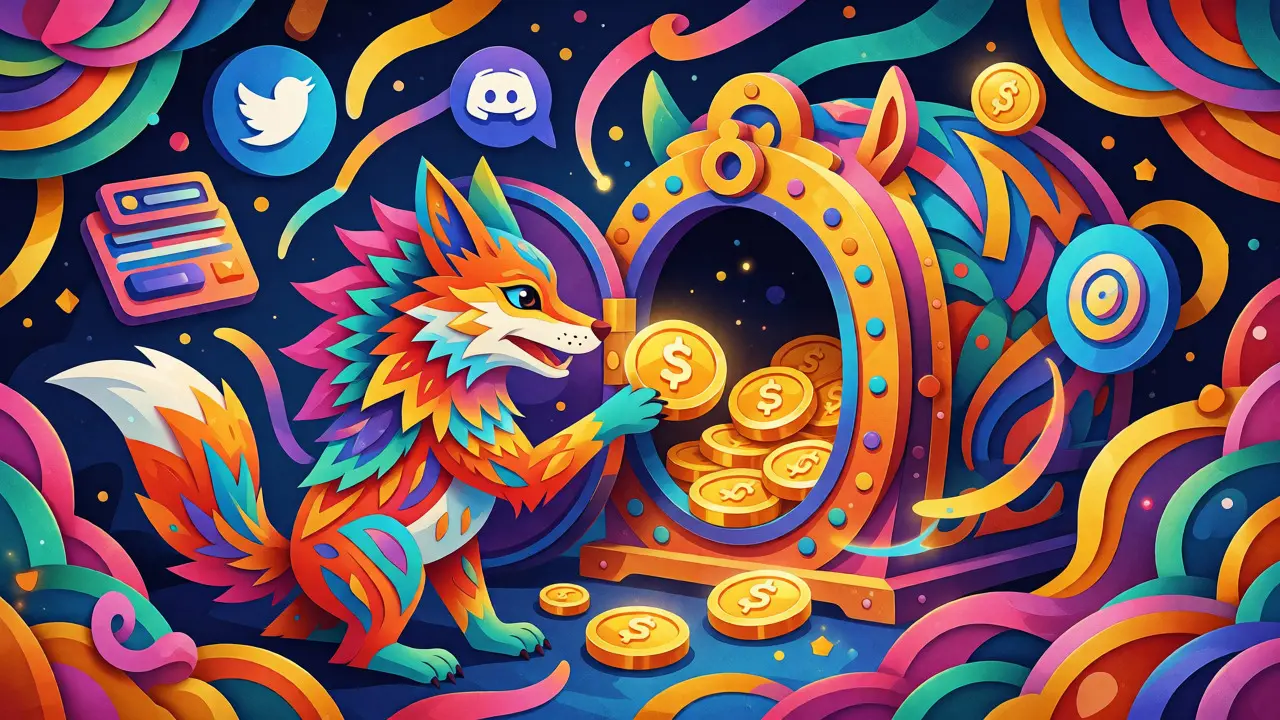
The current DeFiHorse Campaign is structured around engagement tiers. It’s not a simple "sign up and wait" situation. Users must complete specific on-chain actions to qualify. These typically include:
- Wallet Connection: Linking a compatible Web3 wallet like MetaMask or Trust Wallet.
- Initial Stake: Depositing a minimum amount of stablecoins or ETH into the DeFiHorse staking pool.
- Social Verification: Connecting Twitter/X and Discord accounts to prove human interaction.
- Referral Activity: Inviting new users who also complete the staking requirement.
Each action earns you points. Points convert to DFH tokens at the end of the snapshot period. This point-based system filters out bots, which plague many other airdrops. By requiring a financial commitment (the stake), DeFiHorse ensures that participants have skin in the game.
Eligibility Criteria and Pitfalls
Not everyone qualifies. The smart contract governing the airdrop has strict rules. First, your wallet must have existed for at least 30 days prior to the campaign start date. This prevents sybil attacks where users create fresh wallets just to farm drops. Second, multiple wallets linked to the same IP address may be flagged. If you run a node or share a household internet connection, use different devices or verify via Discord support to avoid disqualification.
Another common pitfall is ignoring the vesting schedule. Just because you see "DFH" in your wallet doesn’t mean you can sell it immediately. Many campaigns lock 50% of tokens for six months. Check the official documentation for the unlock timeline. Selling too early often leads to panic selling, crashing the price before the market stabilizes.
Why Participate? The ROI Potential
Is it worth the gas fees? Let’s look at the math. If the average stake required is $50 and the estimated airdrop value is $100-$200 per qualified user, the ROI is substantial. However, this assumes the token launches at a reasonable valuation. Compare this to other recent campaigns like Arbitrum or Optimism, where early engaged users saw returns ranging from 5x to 50x their initial effort. DeFiHorse targets a smaller, more niche audience, which could mean less competition but also lower overall trading volume post-launch.
Consider the risk/reward ratio. Your downside is limited to the opportunity cost of your staked capital and minor transaction fees. Your upside includes potential token appreciation and governance rights. For casual crypto users, this is a low-risk entry point into active DeFi participation.
Step-by-Step Participation Guide
Ready to jump in? Follow these steps carefully to ensure you don’t miss out:
- Prepare Your Wallet: Ensure you have enough ETH/BNB for gas and USDT/USDC for staking.
- Visit the Official Site: Always double-check the URL. Phishing sites mimic legitimate airdrops daily.
- Connect and Verify: Sign the message to connect your wallet. Do not share your private key.
- Stake Assets: Deposit the minimum required amount into the designated campaign pool.
- Complete Social Tasks: Retweet the announcement and join the Discord server.
- Track Progress: Monitor your dashboard for point accumulation. Screenshot everything.
Keep records of every transaction hash. If there’s a dispute during the distribution phase, these hashes are your proof of participation.
Security Checks Before Clicking
Crypto scams evolve rapidly. Before connecting your main wallet, consider using a burner wallet for the initial test. Revoke permissions regularly using tools like Revoke.cash. If the site asks for unlimited approval allowances, deny it. Only grant exact amounts needed for staking. Also, verify the contract address on Etherscan or BscScan. Look for verified contracts and check if other reputable DeFi platforms list the token. If the only place DFH exists is one obscure website, proceed with extreme caution.
When will the DFH airdrop be distributed?
Distribution usually occurs within 4-8 weeks after the campaign snapshot ends. Check the official DeFiHorse Discord for real-time updates, as timelines can shift due to network congestion or audit delays.
Do I need to pay taxes on the airdrop?
In the United States, the IRS generally treats airdropped tokens as income at their fair market value upon receipt. Consult a tax professional, but keep records of the date received and the USD value at that moment.
Can I use multiple wallets for the DeFiHorse campaign?
Yes, but each wallet must meet individual eligibility criteria, including age and staking requirements. Be aware that linking multiple wallets to the same social media account may limit rewards to prevent sybil farming.
What happens if I unstake before the snapshot?
You likely forfeit your eligibility. Most campaigns require continuous staking until the snapshot block. Unstaking early usually results in zero points for that period.
Is DeFiHorse a scam?
No evidence suggests it is a scam, but always do your own research. Check for audited smart contracts, active development on GitHub, and a transparent team. Lack of transparency is the biggest red flag in any crypto project.