
Remember the last time you spent hours crafting a perfect post, only to have it buried by an algorithm you can't see or control? Or worse, remember when your account got demonetized overnight with no explanation? For years, creators on centralized platforms like Facebook and X (formerly Twitter) have been renting their audience. You build the community, but the platform owns the relationship and takes the lion's share of the revenue.
Decentralized social media flips this script entirely. It’s not just about free speech; it’s about economic sovereignty. In this new landscape, you don’t just post content-you own the asset that generates income. Whether you’re tipping in crypto, selling NFTs, or earning from subscription fees, the money flows directly from your fans to your wallet, bypassing the corporate middlemen who used to skim 50% or more off the top.
The End of the Ad-Driven Trap
If you’ve ever felt like your content was being held hostage by advertiser sensitivities, you know the pain. On traditional platforms, if a brand doesn’t like what you say, they pull ads, and your income drops. Sometimes, your entire account gets shadowbanned because an automated system flagged a keyword as "risky." This uncertainty kills long-term planning for creators.
In Decentralized Social Media (DeSoc), the business model shifts from selling user data to facilitating direct value exchange. There are no advertisers pulling strings here. Instead, the platform acts as infrastructure-like the roads and bridges of the internet-while you, the creator, run the shop. If you want to sell a digital collectible, you do it directly. If you want to charge for premium access, you set the price. The platform might take a small transaction fee, but it doesn’t dictate your worth based on who is buying ads next to your profile.
How Money Actually Moves: Tokens, Tips, and Fees
So, how does cash actually hit your bank account? Unlike the monthly payout checks from YouTube or Instagram, decentralized platforms use blockchain technology to enable instant, transparent transactions. This isn't magic; it's code.
Most DeSoc platforms rely on three main mechanisms:
- Creator Tipping: Fans send cryptocurrency directly to your wallet. This could be stablecoins (like USDC) for stability or native tokens (like ETH or POL) for potential appreciation.
- Content Collecting (NFTs): Users "buy" a permanent copy of your post, comment, or article. This turns every piece of content into a potential micro-asset.
- Subscription Models: Smart contracts automatically distribute recurring payments from loyal supporters to your wallet without a payment processor taking a huge cut.
For example, on Lens Protocol, which runs on the Polygon blockchain, there is a built-in mechanism where users can "collect" posts. When someone collects your content, a small fee (often around 5%) goes to the protocol, but the bulk of the value goes straight to you. Because Polygon has low gas fees, even a $1 tip is economically viable, unlike on Ethereum mainnet where fees might eat up half the transaction.
Platform Breakdown: Where Should You Earn?
Not all decentralized platforms work the same way. Some are federated, some are protocol-based, and others are hybrid. Here is how the major players stack up regarding monetization potential in late 2026.
| Platform | Primary Token/Currency | Monetization Method | Network Cost |
|---|---|---|---|
| Lens Protocol | POL / MATIC | NFT Collections, Gating, Subscriptions | Very Low (Polygon) |
| Farcaster | DEGEN / USD | Tipping, Storage Fees ($0.01/post) | Low (Optimism) |
| Mastodon | Fiat / Crypto (Varies) | Donations via Patreon/Ko-fi integration | None (Self-hosted) |
| Diamond App | $DESO | Creator Coins, Likes-to-Cash conversion | Moderate (DeSo Chain) |
Farcaster has gained massive traction by focusing on identity portability. It charges a tiny storage fee per post (about $0.01) to prevent spam, but its real power lies in the "Frames" feature, which allows developers to embed mini-apps directly in feeds. This means you can sell merchandise, sign people up for newsletters, or process payments without the user ever leaving the feed. The DEGEN token has also become a popular vehicle for tipping within the Farcaster community, creating a vibrant internal economy.
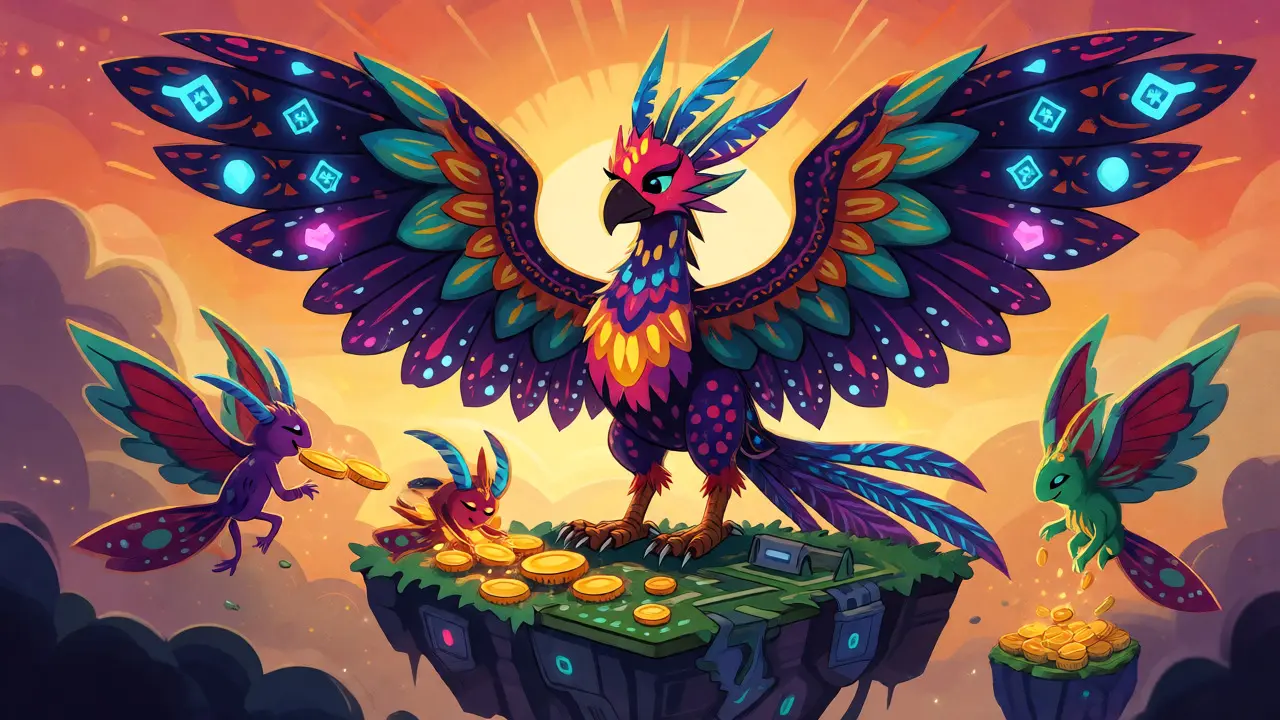
Diamond App takes a different approach with "Creator Coins." Every user on Diamond has their own token. If you gain influence, the value of your coin can theoretically rise. Early adopters who bought coins of now-famous creators saw significant returns. It gamifies reputation, turning social capital into financial capital.
The Creator Coin Economy: Speculation vs. Stability
Let’s talk about the elephant in the room: volatility. One of the biggest hurdles for creators moving to Web3 is the fear that their earnings will crash along with the market. If you get tipped in Bitcoin today, will it be worth half as much tomorrow?
This is why many savvy creators are shifting toward stablecoin integrations. Platforms like Minds allow tipping in both crypto and fiat currencies, giving you the option to hedge against volatility immediately. However, some creators embrace the volatility as an investment strategy. By holding onto native platform tokens (like DEGEN or $DESO), they bet on the platform’s growth. If the network grows, the token appreciates, effectively increasing the purchasing power of past tips.
But here is a warning: Don’t treat your livelihood like a day-trading account. A balanced approach works best. Convert enough to cover your bills immediately, and keep a portion in tokens as a long-term stake in the ecosystem you help build. This aligns your incentives with the platform’s success.
Overcoming the Learning Curve
Is it hard to switch? Honestly, yes-at first. Setting up a MetaMask wallet, understanding gas fees, and figuring out how to withdraw funds to your bank account can feel overwhelming if you’ve never touched crypto before.
However, the tools are getting better. User-friendly interfaces are emerging that hide the blockchain complexity. You click "Tip," and the app handles the wallet interaction behind the scenes. But you still need to understand the basics:
- Get a Wallet: Install a non-custodial wallet like MetaMask or Rainbow. Write down your seed phrase offline. Never lose this.
- Fund Your Account: Buy a small amount of the network’s native token (e.g., POL for Lens) to pay for transaction fees.
- Connect Your Profile: Link your wallet to your social profile so fans know where to send money.
- Educate Your Audience: Tell your followers how to tip. Many of them might be curious but confused. A simple guide in your bio goes a long way.
Community support is crucial here. Discord servers and Telegram groups associated with each platform are filled with people asking the same questions. Don’t be afraid to ask. The early adopter crowd is generally helpful because everyone wants the network to succeed.
Why Now? The Shift in Attention
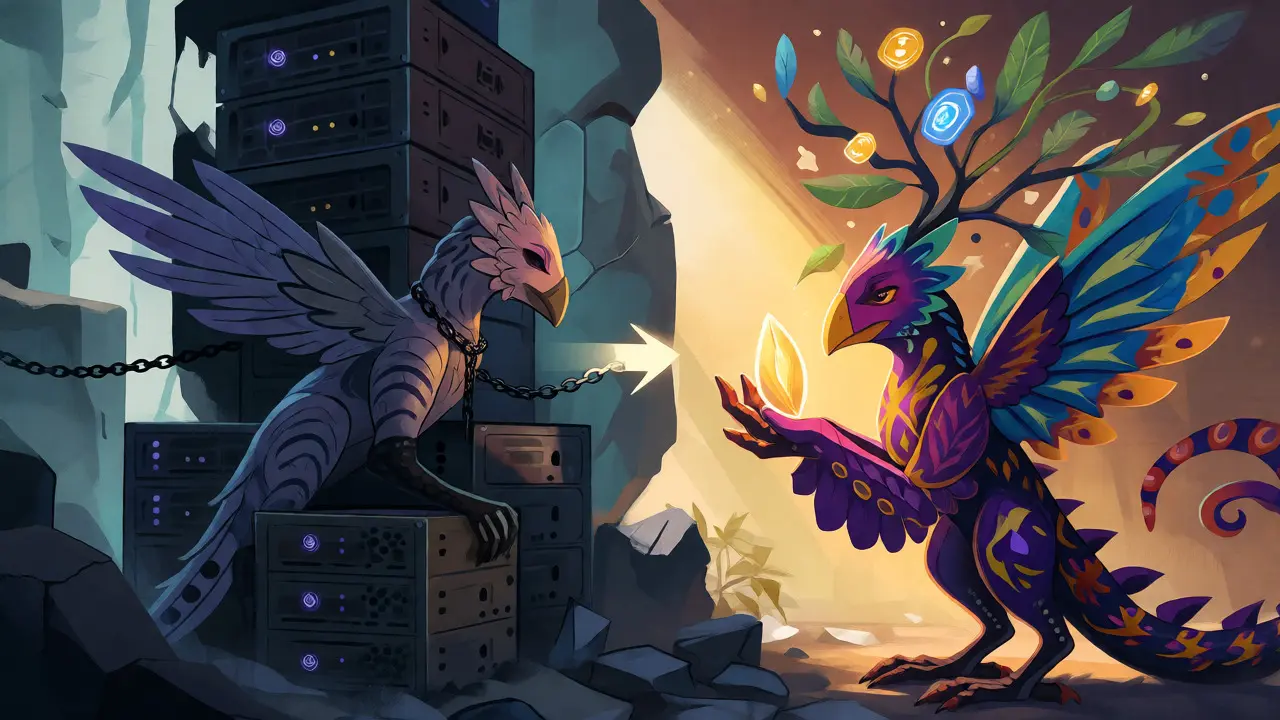
You might be wondering, "If this is so good, why isn't everyone doing it?" The answer is momentum. In 2024 and 2025, we saw a massive migration away from centralized platforms due to policy changes, algorithmic unpredictability, and privacy concerns. By October 2026, this trend has solidified. Users are increasingly valuing digital rights over convenience.
Attention follows money, but money also follows attention. As more brands and serious creators move to DeSoc, the quality of content improves, attracting more users. It’s a flywheel effect. While Mastodon and Bluesky offer great free experiences, the protocols with strong monetization rails (like Lens and Farcaster) are capturing the professional creator market. If you wait until mainstream adoption hits, the "early adopter advantage"-where you can build a loyal base with less competition-will be gone.
Final Thoughts: Ownership Is the New Growth Hack
Decentralized social media isn't just another tech fad; it's a correction of the broken web. For too long, creators have subsidized platforms with their labor while receiving scraps. Today, you have the chance to reclaim that value. Yes, there is friction. Yes, there is technical learning involved. But the reward is true ownership of your audience and your income stream.
Start small. Pick one platform. Set up a wallet. Try to earn your first dollar from a fan, not an ad impression. Once you feel that direct connection-knowing exactly who paid you and why-you’ll realize why so many are making the jump. The future of social media isn't about renting space; it's about owning your ground.
Do I need to be a crypto expert to use decentralized social media?
No, you don't need to be an expert, but you do need basic literacy. Most modern DeSoc apps have simplified the process significantly. You typically need to install a browser extension or mobile wallet app (like MetaMask or Rainbow) and learn how to receive and send tokens. Many platforms now offer "custodial" options or easy on-ramps where you can buy crypto with a credit card directly inside the app, reducing the technical barrier for beginners.
What happens to my money if the platform shuts down?
This is the key advantage of decentralization. Your money lives in your personal crypto wallet, not on the platform's server. If Lens Protocol or Farcaster disappears tomorrow, your funds are still safe in your wallet. Additionally, because your social graph (your connections and content history) is stored on the blockchain or decentralized storage (like IPFS/Arweave), you can often migrate your identity and audience to a new client or interface without starting from scratch.
Are transaction fees expensive for small tips?
It depends on the blockchain. On Ethereum Mainnet, fees can be high, making small tips impractical. However, most leading DeSoc platforms operate on Layer 2 networks like Polygon (for Lens) or Optimism (for Farcaster). These networks have very low transaction costs, often fractions of a cent, making micro-tipping economically feasible. Always check which network a platform uses before expecting to make small transactions.
Can I convert my crypto earnings to regular cash?
Yes. You can send your crypto earnings to a centralized exchange like Coinbase, Kraken, or Binance. From there, you can sell them for fiat currency (USD, EUR, etc.) and withdraw it to your bank account. Some newer fintech services also offer debit cards linked to crypto wallets, allowing you to spend your earnings directly without converting to fiat first, though tax implications vary by country.
Which decentralized platform is best for beginners?
For pure ease of use, Bluesky is a strong contender because it feels very similar to Twitter/X and doesn't require immediate crypto management for basic usage. However, if you want robust monetization features specifically, Farcaster is currently offering a good balance of usability and earning potential through its Frames and tipping culture. Mastodon is great for community building but requires external tools for direct monetization.