
You can buy Bitcoin in Istanbul all day long. You can hold it, trade it, and watch your portfolio grow. But try to use that same Bitcoin to buy a cup of coffee or pay rent, and you hit a regulatory wall. This is the reality for millions of users navigating Central Bank of Turkey crypto restrictions. It’s a confusing mix of permission and prohibition that has evolved significantly by 2026.
If you’re an investor, a developer, or just someone trying to move money without losing value to inflation, understanding these rules isn't optional-it's essential. The Central Bank of the Republic of Turkey (CBRT) doesn’t hate crypto. They just don’t want it competing with the Lira as cash. Let’s break down exactly what you can do, what you can’t, and how the new 2025-2026 regulations change the game.
The Core Rule: Investment Yes, Payments No
Here is the single most important thing to know: Cryptocurrencies are legal assets in Turkey, but they are not legal tender. Since April 2021, the CBRT has strictly prohibited using digital assets to pay for goods and services directly. This ban remains firmly in place in September 2026.
Think of it this way. If you own Ethereum, you can sell it on a licensed exchange for Turkish Lira. Then, you use those Lira to buy your groceries. You cannot hand over ETH directly to the cashier. This applies to everything from real estate deals to buying a car. The logic? The CBRT wants to protect the monetary sovereignty of the Turkish Lira. They fear that if everyone started paying in stablecoins, their ability to control inflation through interest rates would vanish.
Central Bank of the Republic of Turkey (CBRT) is the primary authority enforcing this distinction. While they allow trading, they maintain that only the Lira serves as the official medium of exchange. This creates a dual system where crypto functions purely as an investment vehicle, similar to stocks or gold, rather than a currency.
The 2025 Regulatory Overhaul: What Changed?
Things got serious in March 2025. The government published four key communiqués in the Official Gazette, setting strict rules for anyone offering crypto services. By June 30, 2025, full implementation kicked in. These weren't just suggestions; they were hard requirements with heavy penalties for non-compliance.
The main shift was moving oversight from a gray area to a regulated framework led by the Capital Markets Board (CMB). Before this, many exchanges operated with loose oversight. Now, every Crypto Asset Service Provider (CASP) must get formal authorization. If you’re running an exchange or custody service, you can’t just set up shop anymore. You need a license.
The CMB works alongside two other powerful bodies:
- MASAK (Financial Crimes Investigation Board): Handles anti-money laundering (AML) checks. They are aggressive, having already fined major players like Binance TR millions of lira for compliance gaps.
- TÜBİTAK: The scientific research council, which sets technical standards for blockchain infrastructure.
Licensing and Capital Requirements for Exchanges
So, what does it take to run a compliant crypto business in Turkey today? The bar is high. The goal is to filter out small, unstable platforms that might disappear with user funds.
Under Communiqué I (III-35/B.1) and II (III-35/B.2), companies must be joint-stock entities. Shares must be issued in cash and registered by name-no anonymous ownership. This ensures transparency. If something goes wrong, regulators know exactly who owns the company.
| Entity Type | Minimum Capital (TRY) | Approximate USD Value* | Key Requirement |
|---|---|---|---|
| Crypto Exchange (CASP) | 150,000,000 | $4.1 Million | Must hold CMB License |
| Custodian Service | 500,000,000 | $13.7 Million | Segregated client accounts required |
| Foreign Exchange Broker | N/A | N/A | Reporting required for >$50k FX conversions |
*USD values are approximate based on mid-2026 exchange rates and subject to fluctuation.
These numbers aren't trivial. A $13.7 million capital requirement for custodians means only well-funded institutions can offer secure storage for large investors. For smaller startups, this often means partnering with larger banks or tech firms to meet the threshold.
Anti-Money Laundering (AML) and User Privacy
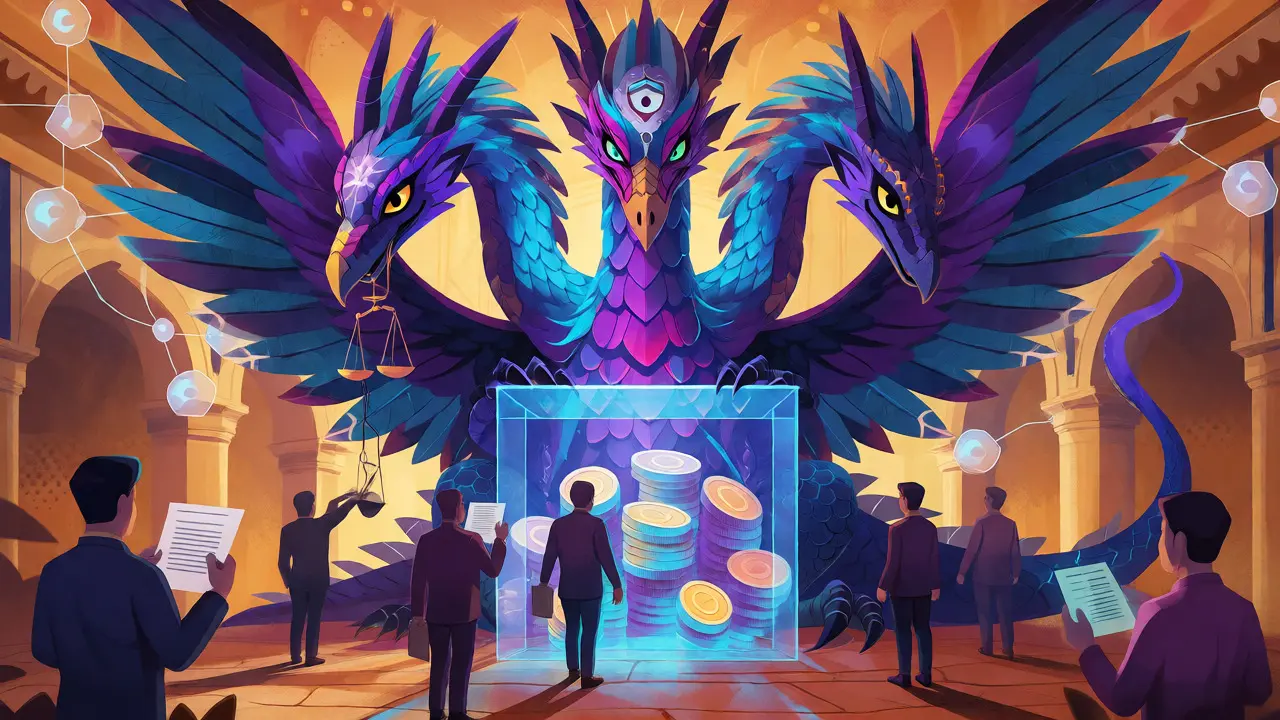
If you’re worried about privacy, Turkey’s approach is strict. The Financial Crimes Investigation Board (MASAK) enforces robust KYC (Know Your Customer) protocols. There is no such thing as "anonymous" trading on licensed Turkish exchanges anymore.
Any transaction exceeding 15,000 Turkish Lira (roughly $425) triggers mandatory identity verification. This includes providing ID documents and proof of address. Furthermore, CASPs must keep detailed records of every transaction, even canceled or unexecuted ones. Why? Because patterns matter. MASAK looks for suspicious activity, like rapid movement of funds between unrelated wallets.
In 2025, MASAK expanded its powers. They can now freeze bank and crypto accounts more easily if they suspect illicit activity. They also target "rented accounts," where individuals lend their verified profiles to others for a fee. This practice is common in markets with strict controls, but regulators are cracking down on it.
The Digital Lira Project: CBRT’s Counter-Move
While banning private crypto payments, the CBRT isn't ignoring blockchain technology. In fact, they are actively developing the Digital Lira. This is a Central Bank Digital Currency (CBDC) designed to modernize the Turkish financial system.
The focus here is tokenization. Imagine representing real-world assets like gold, real estate, or government bonds as tokens on a blockchain. This allows for faster settlement and lower fees. The CBRT sees this as a way to harness blockchain efficiency without ceding control over monetary policy.
For investors, this signals that Turkey wants innovation, but on its terms. Private stablecoins like USDT or USDC remain popular for trading pairs because the Lira is volatile. However, the long-term vision involves a state-backed digital currency that could eventually integrate with banking apps seamlessly.

Practical Implications for Users and Investors
What does this mean for you if you live in Turkey or do business there?
- Use Licensed Platforms Only: Stick to exchanges authorized by the CMB. Unlicensed foreign platforms may block Turkish IPs or restrict withdrawals to comply with local laws.
- Convert Before Spending: Never expect to pay directly in crypto. Always convert to Lira first. Keep a buffer in your bank account for immediate spending needs.
- Expect High Fees and Delays: Compliance costs are passed to users. Withdrawal fees and KYC verification delays are common. Plan ahead if you need liquidity quickly.
- Watch Out for Derivatives: Trading crypto derivatives (futures, options) is heavily restricted or prohibited depending on the specific platform structure. Spot trading is the safest bet.
Many Turks still prefer holding stablecoins (USDT/USDC) rather than Bitcoin alone. Given the historical volatility of the Lira, stablecoins act as a dollar substitute for savings. They bypass the payment ban because they are held as assets, not used as cash.
Enforcement and Penalties: How Serious Are They?
Don't mistake the lack of total bans for lax enforcement. Turkey takes violations seriously. The fine imposed on Binance TR for AML breaches reached the statutory maximum of 8 million TRY (approx. $750,000 at the time). That was a wake-up call for the industry.
Individual users rarely face fines for simple trading. However, businesses caught facilitating illegal payments or failing to report large transactions face operational shutdowns. If you are a merchant accepting crypto informally, you risk being flagged for tax evasion or unauthorized money transmission.
Future Outlook: Where Is Turkey Heading?
As of late 2026, the regulatory landscape is stabilizing. The initial chaos of new laws has settled into a predictable routine. The CBRT shows no sign of lifting the payment ban. Instead, they are focusing on refining secondary regulations for asset tokenization.
We expect to see more institutional adoption. Banks are exploring ways to offer crypto custody services within their existing frameworks. Meanwhile, retail users continue to drive some of the highest trading volumes in the Middle East, fueled by a young, tech-savvy population seeking refuge from inflation.
The key takeaway? Turkey offers a clear path for crypto investment but closes the door on crypto-as-cash. If you understand this boundary, you can navigate the market successfully. If you ignore it, you’ll find your transactions blocked or your accounts frozen.
Can I buy a house with Bitcoin in Turkey?
No, not directly. The CBRT prohibits using cryptocurrencies for direct payments of goods and services, including real estate. You must sell your Bitcoin for Turkish Lira on a licensed exchange and then use the fiat currency to complete the purchase.
Is it safe to use foreign crypto exchanges in Turkey?
It depends. Foreign exchanges serving Turkish users face restrictions on active marketing and may have limited local support. Using a locally licensed CASP is generally safer for regulatory compliance and fund protection, though some global platforms remain accessible via web interfaces.
Do I need to pay taxes on crypto profits in Turkey?
Yes. Profits from cryptocurrency trading are subject to taxation. The specific rate and method depend on whether you are classified as an individual investor or a commercial trader. Consult a local tax advisor for current rates, as regulations regarding income classification have tightened since 2025.
What is the minimum amount for KYC verification?
Identity verification is mandatory for any transaction exceeding 15,000 Turkish Lira (approximately $425). Below this threshold, some basic transactions might proceed with lighter checks, but licensed exchanges typically require full KYC upon registration regardless of transaction size.
Are stablecoins banned in Turkey?
No, stablecoins like USDT and USDC are not banned. They are treated similarly to other cryptocurrencies: legal to trade and hold as investments, but prohibited for direct payment of goods and services.