VLX (Velas) GRAND Airdrop: What You Need to Know in 2025
There is no official Velas (VLX) GRAND airdrop in 2025. Learn how to spot fake airdrop scams, verify real Velas token programs, and safely earn VLX through staking and official channels.
When you hear Velas GRAND airdrop, a token distribution event on the Velas blockchain designed to reward early users and network participants. It's not a gamble—it's a structured way for the Velas team to spread adoption by giving away tokens to people who already use the network. Unlike fake airdrops that vanish after collecting your wallet address, the Velas GRAND airdrop is tied to real on-chain activity: staking, using dApps, or holding specific assets on the Velas chain. It’s part of a broader trend where blockchains like Velas, Solana, and BSC reward users not for signing up, but for doing something useful.
Related to this are Velas blockchain, a high-speed, EVM-compatible chain built for scalability and low fees, used by DeFi projects and NFT platforms, and crypto airdrop, a distribution method where tokens are sent to wallets based on predefined criteria, not purchases. These aren’t just buzzwords—they’re the foundation of how modern blockchains grow. Projects don’t buy ads anymore. They give tokens to people who help make the network valuable. That’s why you’ll see posts here about real airdrops like ATA from Automata Network and SAKE from SakePerp—both required active participation, not just a wallet. The Velas GRAND airdrop follows the same model: you earn it by using the chain, not by clicking a link.
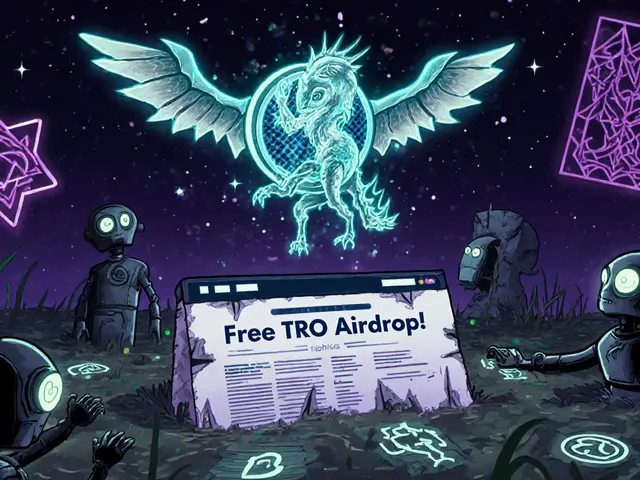
But here’s the catch: not everyone qualifies. If you never interacted with a Velas dApp, never staked VLX, or never held a Velas-based token before the snapshot date, you won’t get anything. That’s how it’s supposed to work. Scammers know this, so they’ll try to trick you into giving away your private key for a "guaranteed" Velas GRAND airdrop. Don’t fall for it. Legit airdrops never ask for your seed phrase. They just send tokens to wallets that already met the criteria.
You’ll find posts below that break down how similar programs worked—like the RACA airdrop that gave out 20,000 tokens to Metamon holders, or the ATA airdrop tied to privacy tool usage. These aren’t random stories. They’re proof that airdrops with real rules exist. The Velas GRAND airdrop is one of them. Whether you’re checking if you qualified, wondering how to prepare for the next one, or just trying to avoid scams, the articles here give you the facts—not the hype.
There is no official Velas (VLX) GRAND airdrop in 2025. Learn how to spot fake airdrop scams, verify real Velas token programs, and safely earn VLX through staking and official channels.