SAMA Crypto Policy: What It Means for Global Crypto Regulations
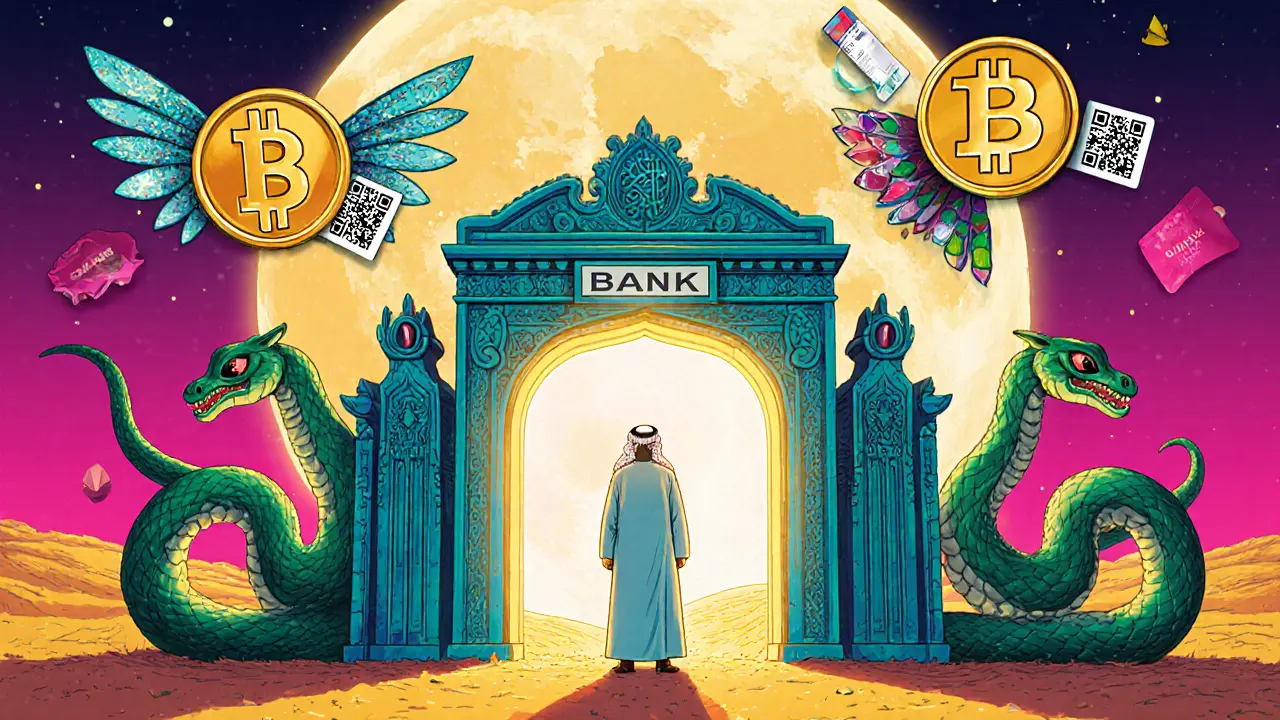
When you hear SAMA crypto policy, the regulatory framework set by the Saudi Central Bank for digital assets. Also known as Saudi Arabian Monetary Authority crypto rules, it's one of the clearest, most aggressive regulatory approaches in the Middle East. Unlike countries that ban crypto or ignore it, SAMA took a hard line: no unlicensed trading, no anonymous wallets, and no crypto payments in stores. But they didn’t shut it down—they controlled it. And that’s why other countries are watching closely.
This policy doesn’t just affect Saudi citizens. It sets a template for how emerging markets handle crypto without stifling innovation. Exchanges like MEXC and Bybit had to adjust their operations to comply with SAMA’s KYC and AML rules, which now require real-name verification, transaction monitoring, and local reporting. That’s the same pressure Iranian and Nigerian users face—but SAMA actually enforces it. The result? A cleaner, more transparent market where legitimate players thrive and scams get pushed out. SAMA’s approach also influences how stablecoins like USDT and DAI are used in the region. While Iran moved to DAI on Polygon after a major exchange hack, Saudi Arabia’s stance makes USDT the default for institutional flows—because it’s easier to track.
The policy also ties directly to how crypto mining and DeFi are treated. SAMA doesn’t ban mining, but it restricts it to licensed entities with verified energy sources. That’s why you won’t find backyard rigs in Riyadh—but you will find corporate-scale operations using solar power. DeFi protocols? They’re not illegal, but they’re not allowed to operate openly unless they’re registered with SAMA. This creates a quiet, regulated underground for retail users, similar to Algeria’s underground market but with legal oversight. And because SAMA works closely with global financial bodies like the FATF, its rules are becoming a reference point for countries drafting their own crypto laws.
What you’ll find in this collection are real stories from the frontlines: how P2P trading survives under strict oversight, how exchanges adapt to SAMA’s demands, and why some projects vanish when they can’t meet compliance standards. You’ll see how crypto taxation, exchange licensing, and even NFT trading are being shaped by this one authority’s decisions. This isn’t theory—it’s what’s happening now, on the ground, in one of the most strategically important regions for digital finance.