TVL Manipulation and Inflated Metrics in DeFi
TVL manipulation in DeFi tricks investors into believing protocols are more successful than they are. Learn how inflated metrics work, how to spot fake numbers, and what to look at instead of TVL.
When you see a DeFi project boasting $500 million in total value locked, the sum of all crypto assets deposited into a protocol to enable lending, trading, or staking. Also known as TVL, it's meant to show how much trust users place in a platform. But too often, that number is pure fiction. Inflated TVL isn’t a bug—it’s a feature of scams. Projects pump fake deposits through wash trading, bot-driven liquidity, or borrowed funds just to look impressive on CoinGecko or DeFiLlama. Investors see big numbers and assume safety, but behind the curtain, there’s often nothing real.
This isn’t just about misleading stats. DeFi scams, projects designed to lure users into locking funds with no real utility or exit plan rely on inflated TVL to create false momentum. The LNR Lunar Crystal NFT airdrop? Vanished. CHY from Concern Poverty Chain? Worthless. Both used fake metrics to attract attention before disappearing. And it’s not just small projects. Even some exchanges with high TVL numbers are hiding the truth: most of that liquidity is temporary, borrowed from other protocols, or created by insiders. liquidity manipulation, the deliberate distortion of on-chain data to mislead investors is everywhere—because it works. People invest based on numbers, not audits, team history, or code reviews.
Real liquidity means people are using the protocol for actual trades or loans—not just moving money in circles. If a project’s TVL spikes overnight with no news, no partnership, and no user growth, that’s a red flag. Check if the same wallets are depositing and withdrawing repeatedly. Look at the token distribution: if 80% of the locked assets are held by one or two addresses, it’s not community-driven—it’s controlled. And remember: TVL doesn’t measure profitability, security, or sustainability. It just measures what’s currently sitting there. Many of the posts in this collection expose exactly this kind of deception—from fake airdrops to exchanges with no real volume. What you’re about to read aren’t just stories. They’re warning signs you can’t afford to ignore.
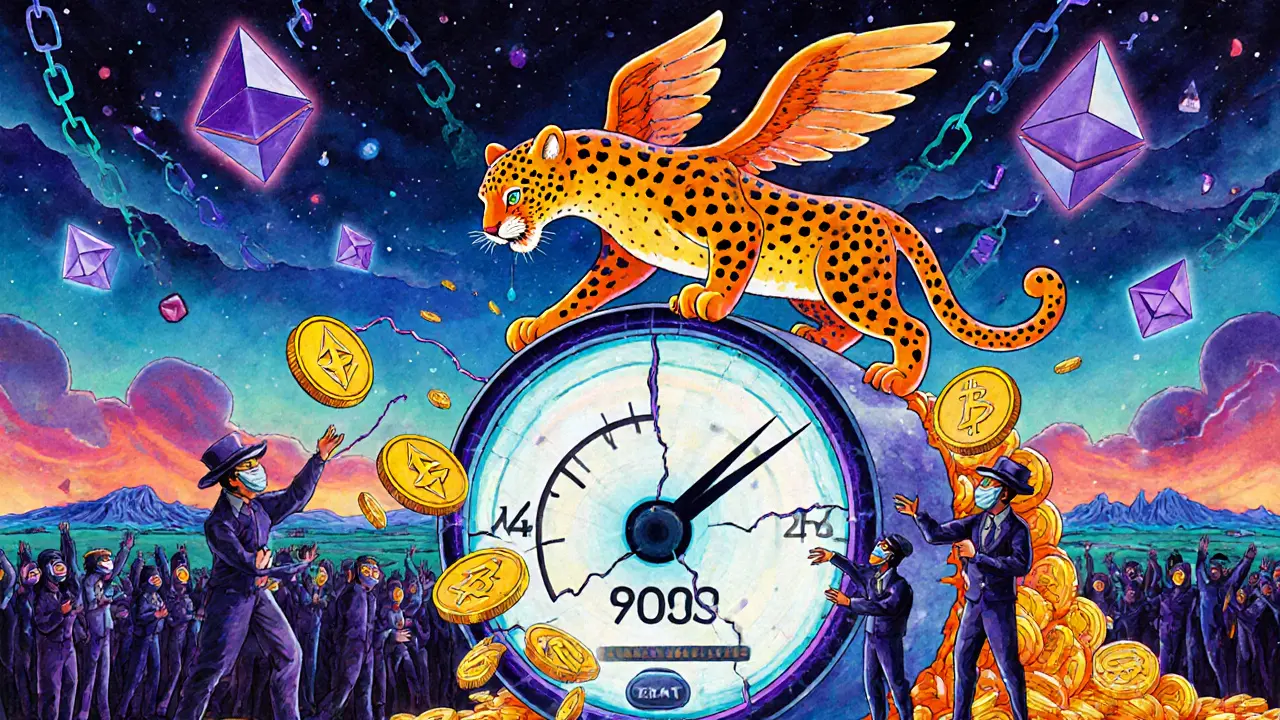
TVL manipulation in DeFi tricks investors into believing protocols are more successful than they are. Learn how inflated metrics work, how to spot fake numbers, and what to look at instead of TVL.