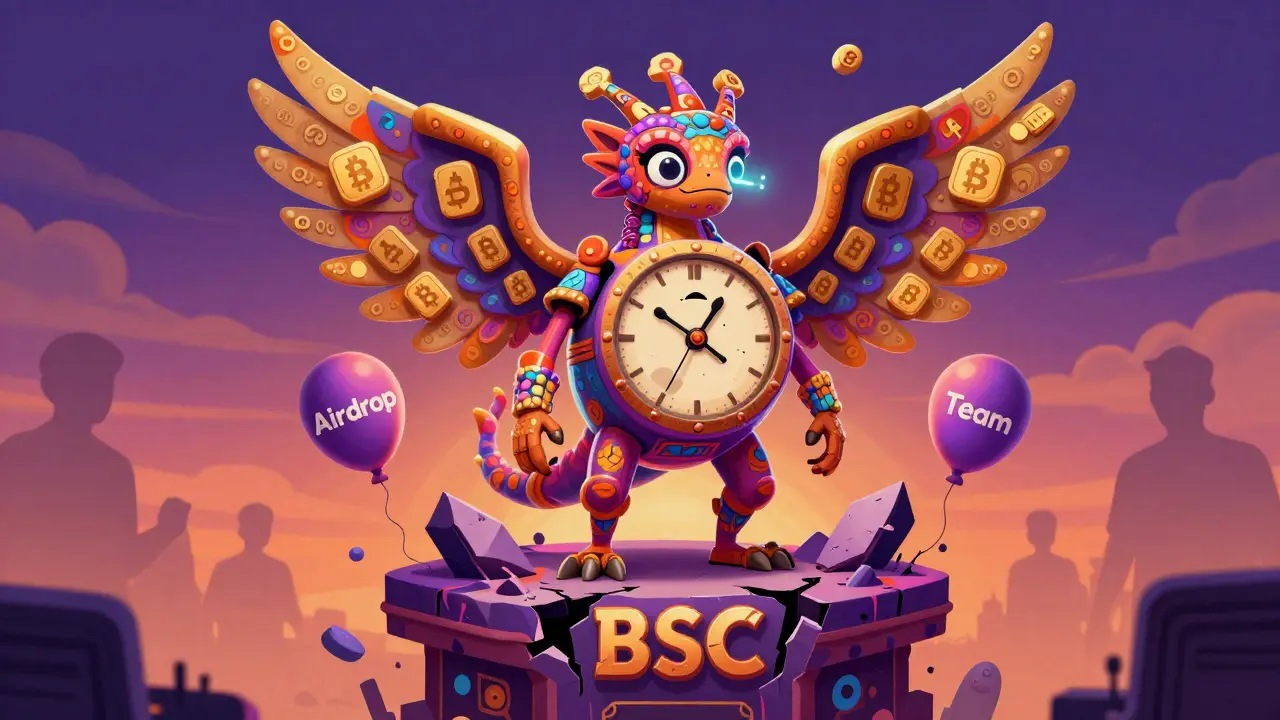


Back in November 2021, BitOrbit (BITORB) launched its token on BSCPad, promising an airdrop and IDO to early supporters. At the time, it looked like just another crypto project trying to ride the wave of decentralized fundraising. But what happened after the launch tells a much clearer story - one about hype, poor execution, and why most airdrops don’t survive past the first month.
How the BitOrbit Airdrop Actually Worked
The BitOrbit airdrop wasn’t a free giveaway. It was part of a six-phase fundraising campaign that ended on November 4, 2021, at 21:25 UTC+3. Participants had to go through a whitelist process on BSCPad, complete KYC, and hold a minimum amount of BNB to qualify. There was no random draw - you had to earn your spot by being active in their community and meeting technical requirements. Once you qualified, you got a share of the 10% of total tokens released at TGE. The rest? Locked up. The team used a linear vesting schedule: 90% of tokens were released slowly over four months, with a one-month cliff. That means no one could sell their full allocation until 30 days after launch. On paper, this looked smart. It was meant to stop a dump right after listing. But here’s the catch: even with vesting, the market didn’t care.Why BitOrbit’s Token Price Crashed
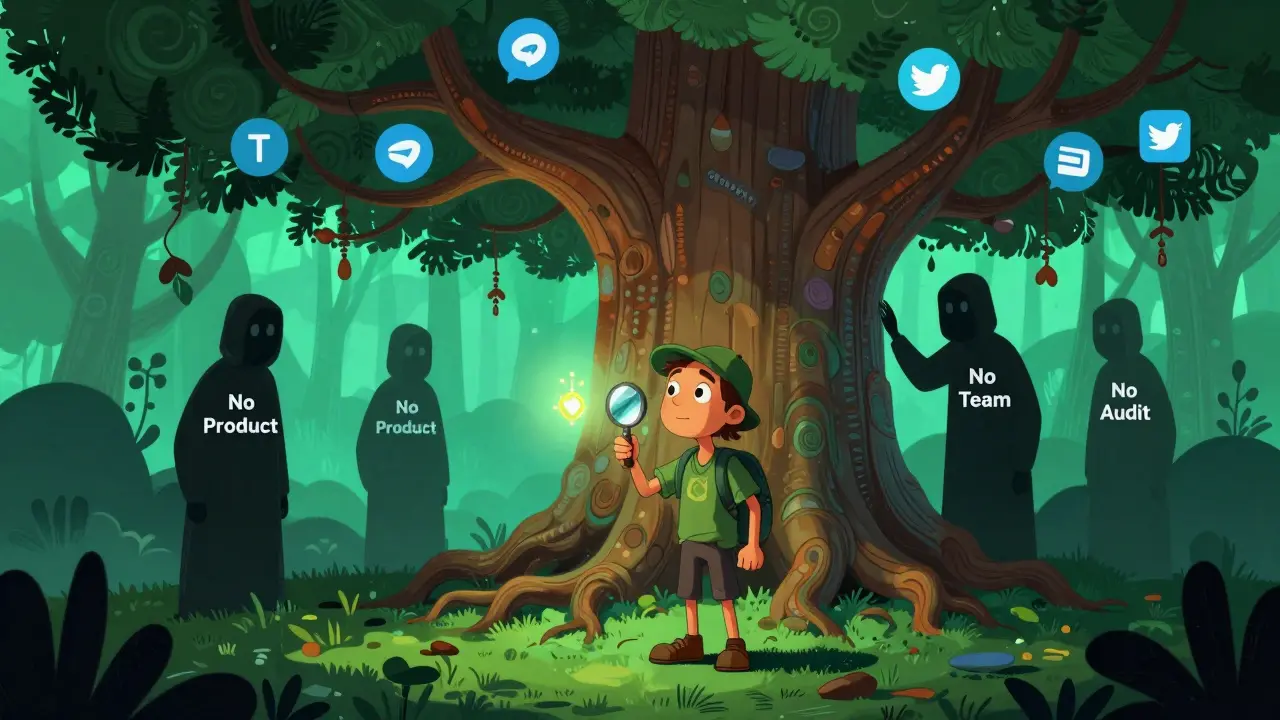
BitOrbit raised $290,000 across its six rounds. That’s not tiny. But by the time the vesting period started, the token’s market cap had dropped to just $2,830. That’s a 99% crash from its initial valuation. Why? First, there was no real use case. BitOrbit claimed to be a decentralized analytics platform for crypto traders, but no product ever launched. No dashboard. No API. No users. Just a whitepaper and a token contract. Second, the team vanished. After the IDO, social media went quiet. Telegram groups died. Twitter updates stopped. No roadmap updates. No team member ever posted a video or explained what went wrong. In crypto, silence is death. Third, the competition was already moving fast. In 2021, launchpads like Polkastarter and DAO Maker were already vetting projects for real tech, active teams, and community traction. BitOrbit didn’t meet any of those standards - but it slipped through because BSCPad was still learning how to filter weak projects.What You Could Have Done Differently
If you participated in the BitOrbit airdrop, you likely got a few hundred tokens. Maybe you held them hoping for a rebound. But here’s the truth: by the end of 2021, those tokens were worth less than a coffee. Here’s what you should’ve done:- Check the team - Did they have public profiles? LinkedIn? Past projects? BitOrbit’s team was anonymous. That’s a red flag.
- Look for a working product - Even a testnet or demo would’ve helped. Nothing existed.
- Read the tokenomics - 10% at launch sounds safe, but if the remaining 90% is locked for four months and no one’s building anything, it’s just delayed dumping.
- Watch the community - Real projects grow their Telegram and Discord daily. BitOrbit’s had fewer than 500 members at launch. No engagement. No AMAs.
How IDOs Have Changed Since 2021
The crypto world in 2025 is not the same as in 2021. Back then, you could launch a token with a Discord server and a Medium post and get funded. Today, top launchpads like DAO Maker, GameFi, and Bybit Launchpad require:- Full audit reports from firms like CertiK or PeckShield
- Live testnets with user data
- At least 3 months of active development logs
- Verified team members with public identities
- Clear utility - not just “token for governance” but actual product integration
The Bigger Lesson: Airdrops Don’t Create Value
BitOrbit’s story isn’t unique. Hundreds of projects did the same thing in 2021: raise money, airdrop tokens, then disappear. The market has since cleaned up. Today, successful IDOs aren’t about who got the most airdrops - they’re about who built something people actually use. If you’re looking at an airdrop today, ask yourself:- Is there a working product, or just a website?
- Are the developers posting updates weekly?
- Is the token tied to real utility - like paying for services, accessing features, or earning rewards?
- Has the project been audited by a reputable firm?
What Happened to BitOrbit After 2021?
By mid-2022, BitOrbit’s token was delisted from most small exchanges. The BSCPad page was archived. The official website redirected to a placeholder. No one claimed the remaining tokens. The smart contract still exists on BNB Chain, but it’s inactive - no transfers, no liquidity, no updates. It’s a ghost. A cautionary tale.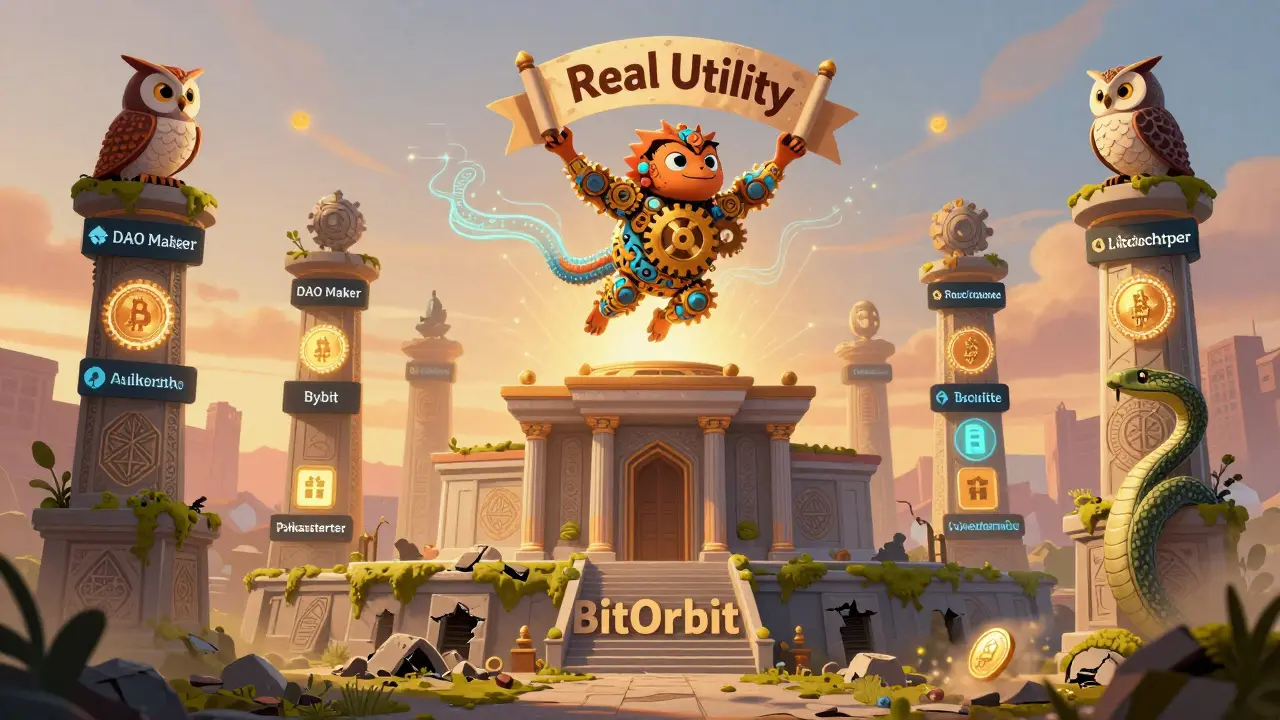
Should You Still Claim BitOrbit Tokens?
Technically, if you were on the whitelist and didn’t claim your tokens, you might still be able to claim them. But there’s no point. The token has no value. No exchange lists it. No wallet supports it. No one is trading it. Even if you claim 10,000 BITORB tokens, you can’t sell them. You can’t use them. You can’t even move them without paying gas fees - and you’d lose money doing it. The only reason to claim them now is if you’re collecting crypto history - like a museum curator keeping a broken watch from 2008.What to Look for in a Real Airdrop Today
If you’re chasing airdrops in 2025, here’s what actually works:- Projects with live products - Like a DeFi protocol that’s already processing $1M in daily volume.
- Team transparency - Real names, LinkedIn, past successes.
- Community activity - Daily posts, AMAs, user feedback.
- Clear token utility - Not just “for staking,” but “used to pay for analytics, access premium tools, or earn rewards.”
- Verified launchpad - Stick to platforms with audit records, not random sites.
Final Takeaway: Don’t Chase Free Tokens - Chase Real Value
BitOrbit didn’t fail because of bad luck. It failed because it offered nothing real. The airdrop was a marketing tool, not a foundation. And in crypto, marketing without substance is just noise. The projects that survive aren’t the ones with the flashiest launch videos. They’re the ones that keep building, even when no one’s watching. BitOrbit stopped building on day one. That’s why it’s gone. If you’re looking for your next airdrop, don’t look for free tokens. Look for teams who’ve already shipped something. That’s where the real opportunity lies.Was the BitOrbit airdrop free?
No, the BitOrbit airdrop wasn’t free. To qualify, you had to register on BSCPad, complete KYC, hold a minimum amount of BNB, and be active in their community. It was a participation-based allocation, not a random giveaway.
Can I still claim my BitOrbit tokens?
Technically, yes - if you were on the whitelist and never claimed, the smart contract may still allow it. But there’s no value in doing so. The token is delisted, has zero liquidity, and no exchange supports it. Claiming it costs gas and gives you nothing in return.
Why did BitOrbit’s price crash so hard?
BitOrbit crashed because it had no product, no team updates, and no real use case. Even though it raised $290K, the market saw no reason to value the token. The 90% vesting schedule didn’t help because no one trusted the project to deliver anything after launch.
Was BitOrbit a scam?
It wasn’t a scam in the legal sense - no one stole funds. But it was a classic example of a rug-pull in spirit: raise money, promise innovation, then disappear. The team never delivered on their whitepaper, and communication stopped after the IDO. That’s why the community considers it a failure.
What launchpads are trustworthy today?
Today, trusted launchpads include DAO Maker, Polkastarter, GameFi, and Bybit Launchpad. These platforms require audits, verified teams, live testnets, and clear token utility before allowing a project to launch. They’ve raised the bar significantly since 2021.
How do I avoid failing projects like BitOrbit?
Always check for three things: a working product (not just a website), a transparent team with real identities, and active community updates. If a project hasn’t posted anything in two weeks, walk away. Airdrops are not investments - they’re invitations to join a project that’s already building something real.
11 Comments
BitOrbit was never about building something real it was always about grabbing attention and vanishing
the team knew the market was hungry for anything labeled crypto in 2021 so they made a pretty whitepaper and called it a day
no product no roadmap no accountability just a token contract and a promise
what happened to them after the launch was inevitable
crypto doesnt reward hype it rewards consistency
the ones who survived 2021 were the ones who kept updating even when no one was looking
BitOrbit stopped talking on day one and the market responded in kind
its not a scam if no one stole your money but its just as dead
the real lesson is dont trust a project that cant even post a weekly update
if your team is silent your token is already dead
and the only thing worse than losing money is realizing you ever believed in the first place
OMG I STILL HAVE MY BITORB TOKENS IN MY WALLET LIKE A FOOL 😭
imagine holding 10k of something that costs more to transfer than its worth
it’s like keeping a broken VCR because you paid $50 for it in 2002
the gas fees alone are a punch in the face
why did i think this was a good idea
the team never even said goodbye
just poof gone like a fart in a hurricane
so much for the ‘decentralized future’
we got a ghost contract and a lot of regret
if you’re still claiming these tokens you’re not a degens you’re a museum curator
and i’m the guy who still has the trading card from the project that died
Oh sweetie you actually thought this was a real opportunity
did you read the whitepaper or just the hype tweet
the team had zero LinkedIn profiles and you still sent BNB
you didn’t get scammed you volunteered for the dumpster fire
and now you’re mad the fire didn’t light your wallet on fire faster
the only thing more tragic than BitOrbit is your faith in anonymous devs
maybe next time check if the team has a face before you click ‘claim’
or just stick to staking ETH and stop chasing free candy
you’re not an investor you’re a snack target
you know what really hurts about BitOrbit
it wasn’t even clever
it was lazy
they didn’t even try to make it look real
just slapped a token on BSCPad and called it a day
and people still fell for it
why
because everyone wanted to believe
they wanted to think this time it was different
but crypto doesn’t reward hope it rewards execution
and execution means showing up every day
not just on launch day
the team didn’t show up after day one
so why should the market have
it’s not about the token
it’s about the people behind it
and they were never there
so you’re telling me people still claim these tokens
for what
to put them in a digital drawer
and call it a collection
it’s like hoarding expired coupons
the only thing worse than losing money is paying to keep the proof you lost it
gas fees for a worthless token
you’re not a degenerate you’re a masochist
and the team knew it
they counted on you being stubborn
they didn’t need to rug
they just needed you to wait
and you did
congrats
you won
i still have my bitorbit tokens in my wallet and i’m not even mad
it’s like a little time capsule from 2021
remember when we all thought airdrops were magic
and we’d just click and get rich
we were so innocent
now i check teams before i even look at the token
if they’re not posting updates every week
i move on
bitorbit taught me that
not to chase free stuff
but to chase people who show up
and honestly
i’m better for it
thank you bitorbit for being the worst
you did more good than any 100x coin ever could
if you’re still holding bitorbit tokens
you’re not holding an asset
you’re holding a lesson
the market didn’t punish you
you punished yourself by ignoring the signs
no product
no team
no updates
no community
those aren’t red flags
those are neon signs screaming RUN
but we were all drunk on hype
and now we’re sober
and the hangover is real
the good news
you won’t make that mistake again
and that’s worth more than any token
the real airdrop was the wisdom you gained
Let me be clear: the BitOrbit incident was not an anomaly - it was a systemic failure of the entire 2021 launchpad ecosystem. The absence of due diligence was not negligence; it was the business model. BSCPad, like many others at the time, prioritized volume over validation. They accepted projects with no code, no team, no roadmap - and called it democratization. This is not innovation. It is exploitation dressed in Web3 clothing. The $290,000 raised was not capital; it was a toll paid by retail investors to fund a vanity project. The vesting schedule was a theatrical gesture - a smokescreen to delay the inevitable collapse. The market did not crash BitOrbit - the market merely confirmed what every rational observer already knew: that a token without utility is a liability. The real tragedy is that so many still believe that the next one will be different. It won’t. Until launchpads are legally accountable for vetting, this cycle will repeat. And the next time, the victims won’t just lose money - they’ll lose trust in the entire system.
what is value anyway
if a token exists and no one trades it
does it have worth
if a team disappears
did they ever exist
bitorbit was a mirror
we saw what we wanted to see
not what was there
we wanted to believe in magic
so we ignored the math
the math said no
but we said yes
because yes feels better
and now we know
yes is not a strategy
and magic is not a business model
and silence is not a roadmap
and airdrops are not investments
they’re invitations
to a party that never happened
bitorbit was the gift that kept taking
not in value
but in lessons
i used to chase airdrops
now i chase teams
if they’re not posting weekly
i don’t even click
thank you bitorbit
you ruined me
in the best way
BITORBIT WAS A TRAP A SCAM A LIE A MIRAGE A FAKE A HOAX A CON A FRAUD A RUG A PULL A CRASH A DEAD PROJECT A GHOST A CRYPTOCURRENCY GRAVEYARD A WASTE OF TIME A WASTE OF GAS A WASTE OF MY LIFE I REGRET EVERY SECOND I SPENT ON THAT PROJECT I WISH I HAD JUST BROUGHT A COFFEE INSTEAD AND NOW I’M STILL HOLDING IT LIKE A MORON