Fractional Real Estate in Crypto: How Blockchain is Changing Property Ownership
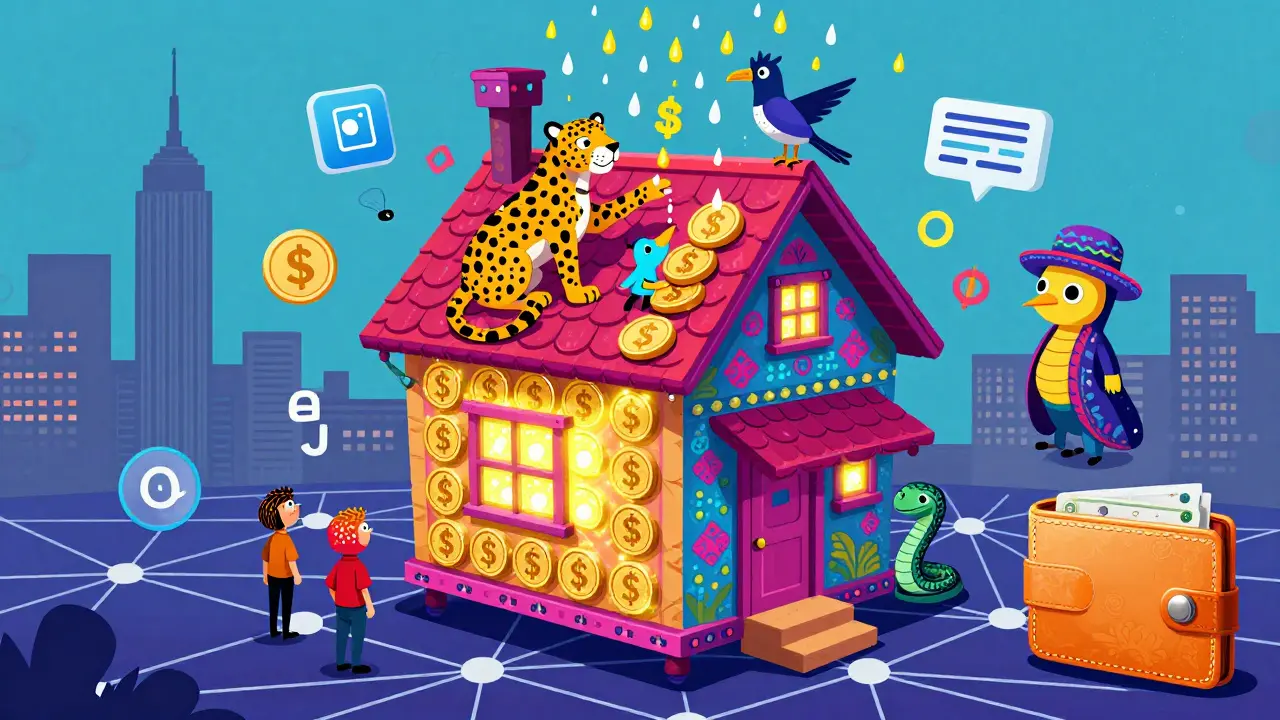
When you think of fractional real estate, a way to own a share of physical property through digital tokens instead of buying an entire building or house. Also known as tokenized real estate, it turns bricks and mortar into bits and bytes—letting anyone buy $50 worth of a Manhattan apartment or a warehouse in Dubai. This isn’t sci-fi. It’s happening right now, powered by blockchain and smart contracts that prove ownership without banks or lawyers.
Fractional real estate relies on blockchain property, digital ledgers that record ownership claims securely and transparently. Unlike traditional real estate, where titles are buried in county offices, these records live on public chains like Ethereum or Polygon. Each token represents a share, and you can trade it like a stock—no escrow, no waiting months to close. Then there’s real estate tokens, the actual digital assets that stand in for physical property shares. These aren’t just NFTs with a fancy name—they’re backed by legal agreements, rental income, and sometimes even appraisals from third parties. Some projects even let you vote on property upgrades or rent decisions, turning passive investors into active stakeholders.
But here’s the catch: not all fractional real estate is built the same. Some are backed by real leases and cash flow. Others are just hype wrapped in a smart contract. You’ll find platforms that let you invest in vacation rentals in Bali or industrial spaces in Texas, but you’ll also see scams that promise 20% returns with no property to show for it. That’s why knowing the difference between a legitimate tokenized asset and a fake one matters more than ever.
What you’ll find below isn’t a list of the best platforms or the hottest projects. It’s a collection of real stories—some successful, some crashed, some never existed. You’ll read about how crypto tax rules affect property owners in the UAE, how wrapped assets complicate ownership across chains, and why airdrops tied to real estate tokens often vanish overnight. These aren’t theoretical debates. They’re lessons from people who lost money, got scammed, or actually made a return. If you’re curious about owning a piece of real estate without signing a mortgage, this is your starting point.