Crypto Security: Protect Your Assets with Real-World Strategies
When you hold cryptocurrency, you’re not just owning a number—you’re holding the keys to your own bank. crypto security, the practice of safeguarding digital assets from theft, fraud, and loss. Also known as blockchain security, it’s not about fancy software—it’s about habits, choices, and knowing what not to do. Most people lose crypto not because of hackers, but because they clicked a fake link, reused a password, or stored their keys on an exchange they didn’t understand.
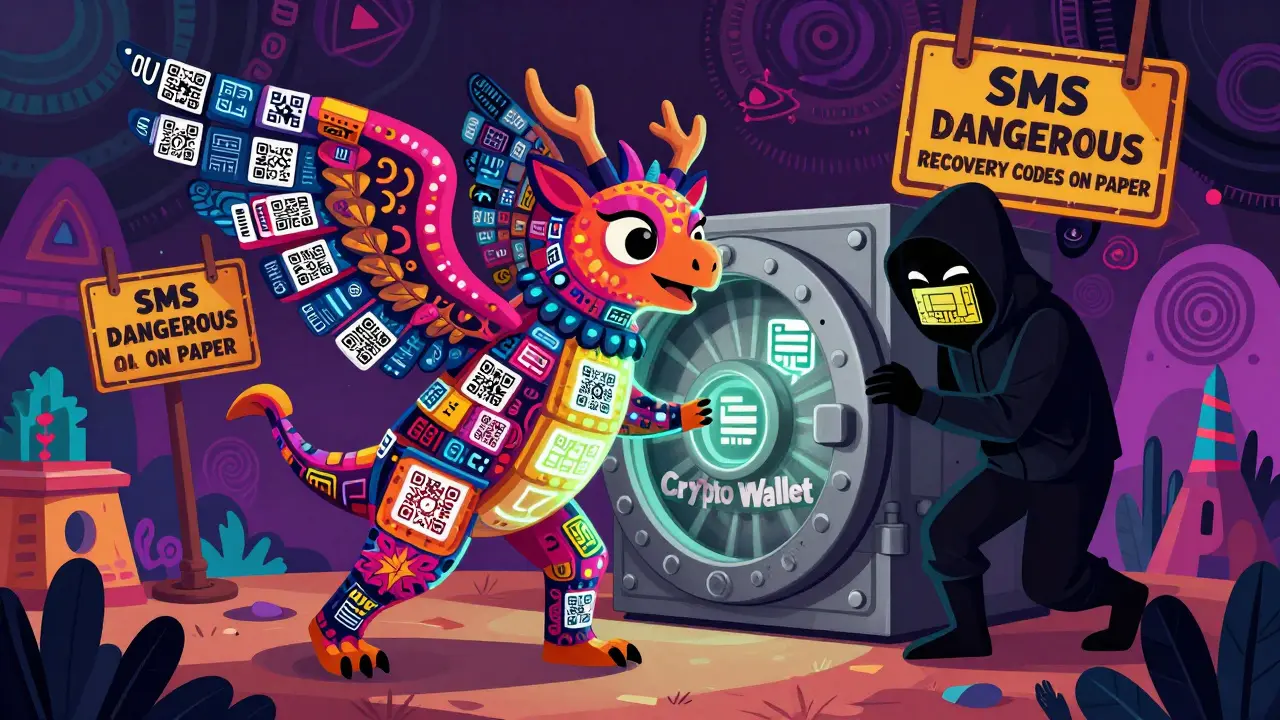
private keys, the secret codes that give you control over your crypto. Also known as seed phrases, they’re the only thing standing between your coins and someone else’s wallet. If you lose them, they’re gone forever. If someone else gets them, your money is gone too. That’s why cold wallets—hardware or paper—are the only real safety net. Exchanges? They’re like leaving cash in a public park. Sure, it’s convenient, but if the park gets robbed, you have no claim. And crypto scams, fraudulent schemes designed to trick users into giving up their keys or sending funds. They don’t need to hack anything. They just need you to be careless. Airdrops that ask for your seed phrase, fake customer support, “free token” links—these aren’t glitches. They’re targeted attacks.
Real crypto security means treating your wallet like a safe deposit box—not a login page. It means checking every transaction before signing. It means never typing your seed phrase into a website, even if it looks official. It means knowing that if something sounds too good to be true—like a 10x return from a random token—it’s designed to take your money. The posts below show you exactly how this plays out: from the dangers of unregulated exchanges like GroveX and KCEX, to the truth behind fake tokens like veDAO and DIYAR, to how even privacy tools like Tornado Cash got caught in legal crosshairs. You’ll see what works, what fails, and why some projects vanish overnight. This isn’t theory. It’s what happened to real people. And it can happen to you—if you don’t know the rules.