Crypto Licensing Requirements: What You Need to Know About Legal Crypto Operations
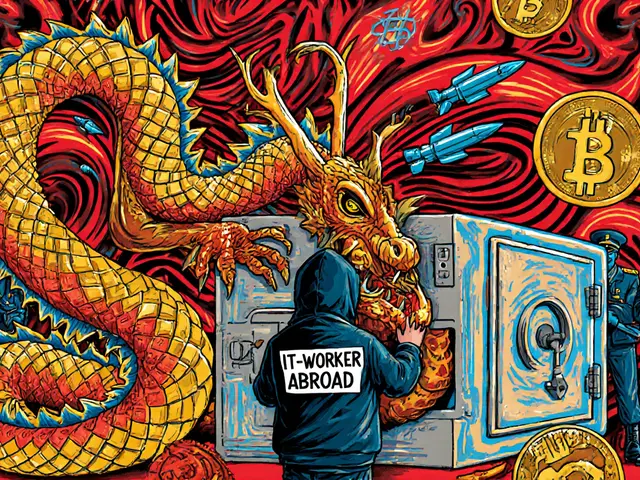
When you hear crypto licensing requirements, the legal rules that govern who can operate cryptocurrency businesses in a given country. Also known as VASP regulations, it’s not just about paperwork—it’s about whether your exchange, wallet, or DeFi project can legally touch money without getting shut down or fined. In 2025, over 60 countries have some form of licensing system for crypto firms, but the rules are wildly different. Some places like Singapore and Switzerland give you a clear path. Others, like Nigeria and Saudi Arabia, let you operate but ban banks from helping you. Then there are countries like Algeria and North Korea that outright ban crypto for citizens—while still letting state actors steal billions in crypto to fund their programs.
This is why crypto business setup, the process of legally launching a cryptocurrency-related company isn’t just picking a name and building a website. You need to know where you’re allowed to hold funds, who you have to report to, and what kind of audits you’ll face. For example, Nigeria’s SEC now requires all exchanges to be licensed by 2025, or they get shut down. Meanwhile, in the UAE, you can get a license that gives you banking access and zero capital gains tax—if you meet their strict AML and KYC rules. But if you skip licensing in the U.S. and run a P2P platform, you’re risking jail time, even if your users are just trading Bitcoin.
crypto regulations, the laws that control how digital assets are issued, traded, and taxed aren’t static. They change fast. Iran’s users switched from USDT to DAI on Polygon because local banks started blocking transactions. Saudi Arabia bans banks from handling crypto, yet its crypto market keeps growing because people find ways around it. And in India, a 30% tax on gains plus 1% TDS and 18% GST on fees makes compliance non-negotiable—if you want to avoid penalties. These aren’t theoretical concerns. They’re daily realities for anyone running a crypto service.
That’s why the posts below don’t just talk about tokens or airdrops—they show you what happens when licensing rules are ignored. The Battle Hero II NFT airdrop vanished because the team never got licensed. The TRO token scam pretended to be real because no one checked if the company was registered. Even the Superp exchange, with its wild 10,000x leverage, only survives because it’s based in a jurisdiction with loose oversight. These aren’t random failures. They’re direct results of missing or ignoring crypto licensing requirements.
What you’ll find here are real-world examples of how crypto businesses succeed—or crash—based on legal compliance. From how Iranian traders bypass banking bans to why Argentine citizens use crypto as a survival tool, every story ties back to one thing: the rules of the game. Whether you’re a trader, a founder, or just trying to avoid scams, understanding these rules isn’t optional. It’s the difference between keeping your money and losing it to a shell company with a fancy website.