Crypto Illegal in Algeria: What You Need to Know About Ban Risks and Workarounds
When you hear crypto illegal Algeria, the Algerian government’s official stance that all cryptocurrency transactions are banned under national law. Also known as crypto prohibition in Algeria, it’s not just a warning—it’s a legal reality with real consequences for anyone using Bitcoin, USDT, or other digital assets. Unlike Nigeria or India, where crypto is regulated but allowed, Algeria treats cryptocurrency like contraband. The ban, enforced since 2017, blocks banks, payment processors, and even mobile wallets from touching any crypto-related activity. No exchanges, no P2P platforms, no wallets linked to local banks. The Central Bank of Algeria makes it clear: digital currencies aren’t money, aren’t legal, and aren’t protected.
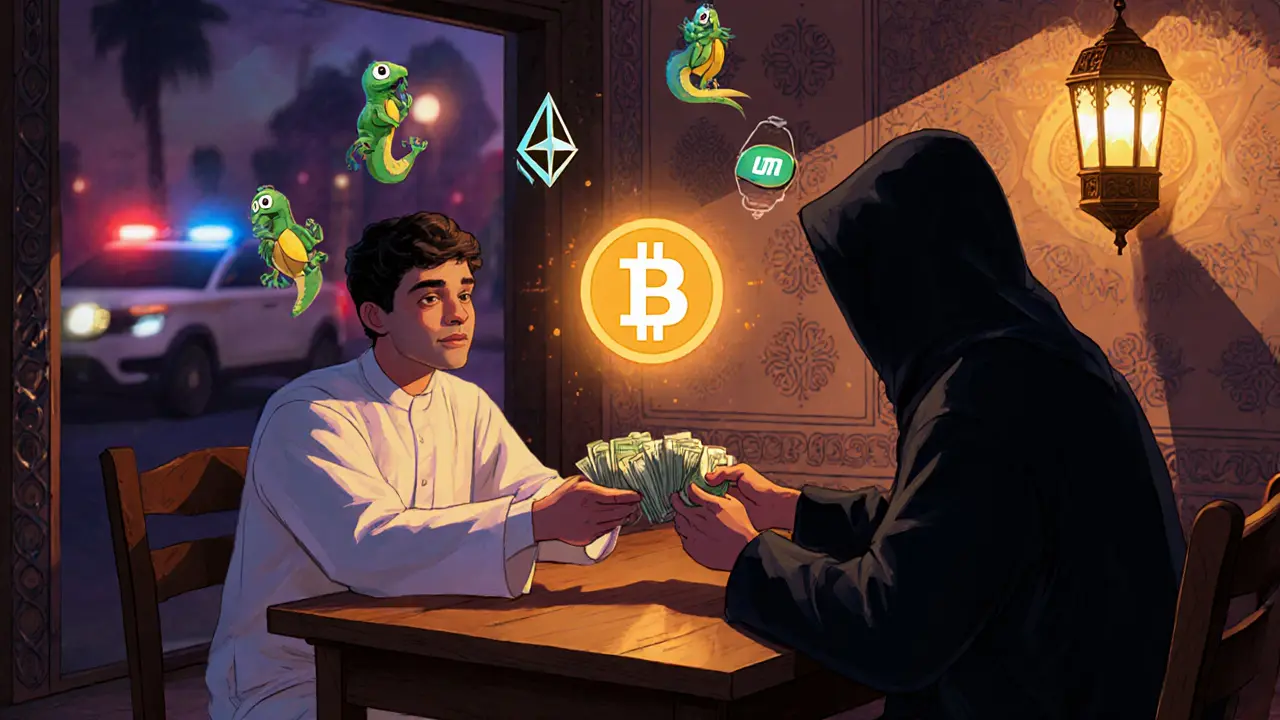
But here’s the twist: the ban hasn’t stopped people from trading. Across Algiers, Oran, and Constantine, users still buy Bitcoin through unofficial channels—cash meetups, WhatsApp traders, or foreign P2P platforms that don’t ask for ID. These aren’t glamorous setups. They’re risky, unregulated, and often involve middlemen who take 10–20% fees. Some use VPNs to access MEXC or Bybit, but if caught, they risk fines, account freezes, or even criminal charges. The government monitors internet traffic for crypto keywords and has cracked down on local Telegram groups promoting trading. It’s not just about money—it’s about control. Algeria’s economy relies heavily on oil, and crypto threatens the state’s grip on foreign currency flows. That’s why even stablecoins like USDT or DAI are treated the same as Bitcoin: forbidden.
What’s missing from this picture? Real alternatives. Unlike Iran or Russia, where P2P markets have grown into full ecosystems, Algeria has no legal infrastructure for crypto. No licensed exchanges. No tax guidance. No consumer protection. Even if you get crypto, you can’t cash out easily. Selling Bitcoin for Algerian dinars means finding someone willing to risk arrest. And if you try to send it abroad, your bank may freeze your account for suspicious activity. The only safe move? Avoid it entirely. But if you’re already involved, know this: the risks aren’t theoretical. In 2024, a man in Sétif was fined over 5 million DZD for trading USDT via WhatsApp. He wasn’t arrested, but his savings vanished overnight.
So what’s next? The ban hasn’t changed in eight years, and there’s no sign it will. But global pressure, youth demand, and the rise of decentralized networks mean the underground market keeps growing. You won’t find a legal crypto exchange in Algeria—but you might still find someone willing to trade in person. Just remember: if it’s illegal, it’s not protected. No chargebacks. No customer service. No recourse. The posts below show you exactly how people are navigating this reality—what platforms they use, what mistakes they’ve made, and what you should never do if you’re in Algeria.