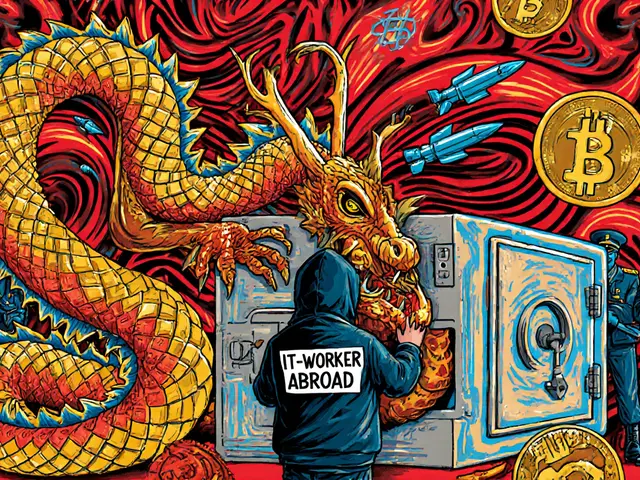
Bitlish Crypto Exchange Review: What Happened and Why It’s Gone
Bitlish was a transparent, low-fee crypto exchange that shut down in 2020. Learn what made it unique, why it failed, and what happened to users' funds after it vanished overnight.
When you hear about the Bitlish scam, a crypto exchange that disappeared with users’ funds in 2021, leaving no trace and no answers. It’s not just a story about one bad platform—it’s a warning about how easily crypto platforms can vanish without regulation, accountability, or oversight. Bitlish claimed to be a simple, fast way to trade Bitcoin and altcoins with low fees and instant withdrawals. But when users tried to pull out their money, the site went dark. No emails answered. No social media updates. Just silence. And billions in user funds? Gone.
What makes the Bitlish scam so dangerous isn’t just the loss of money—it’s how similar it looks to real exchanges. It had a clean interface, fake customer support, and even posted fake trading volumes. Many users trusted it because it seemed professional. But behind the scenes, there was no legal registration, no audit, no team you could verify. This is the same pattern you’ll see in fraudulent crypto platform after fraudulent crypto platform: they promise ease, hide identity, and vanish before you can ask questions. The crypto theft from Bitlish wasn’t a hack—it was a planned exit scam. The operators created the platform, attracted deposits, and then disappeared with the cash.
Scammers don’t just target new users. Even experienced traders got caught. Why? Because the signs are buried under polished design and fake testimonials. If a platform doesn’t list its legal address, refuses to verify its team, or pressures you to deposit more to "unlock" withdrawals, walk away. Real exchanges don’t lock your funds. They don’t ghost you. And they definitely don’t shut down without notice. The crypto exchange scam isn’t rare—it’s growing. Every week, new platforms pop up with the same playbook: low fees, fast trades, no KYC, and then—poof.
What you’ll find in the posts below are real cases like Bitlish—platforms that promised the moon but delivered nothing. You’ll see how BSClaunch, veDAO, and Wannaswap followed the same path. You’ll learn how to spot fake teams, zero liquidity, and silent developers. You’ll see how North Korea’s cyber units and rogue exchanges use the same tricks to steal millions. This isn’t about fear. It’s about awareness. If you trade crypto, you need to know what a scam looks like before it’s too late.

Bitlish was a transparent, low-fee crypto exchange that shut down in 2020. Learn what made it unique, why it failed, and what happened to users' funds after it vanished overnight.