Banking Crypto Restrictions: What Happens When Banks Block Crypto
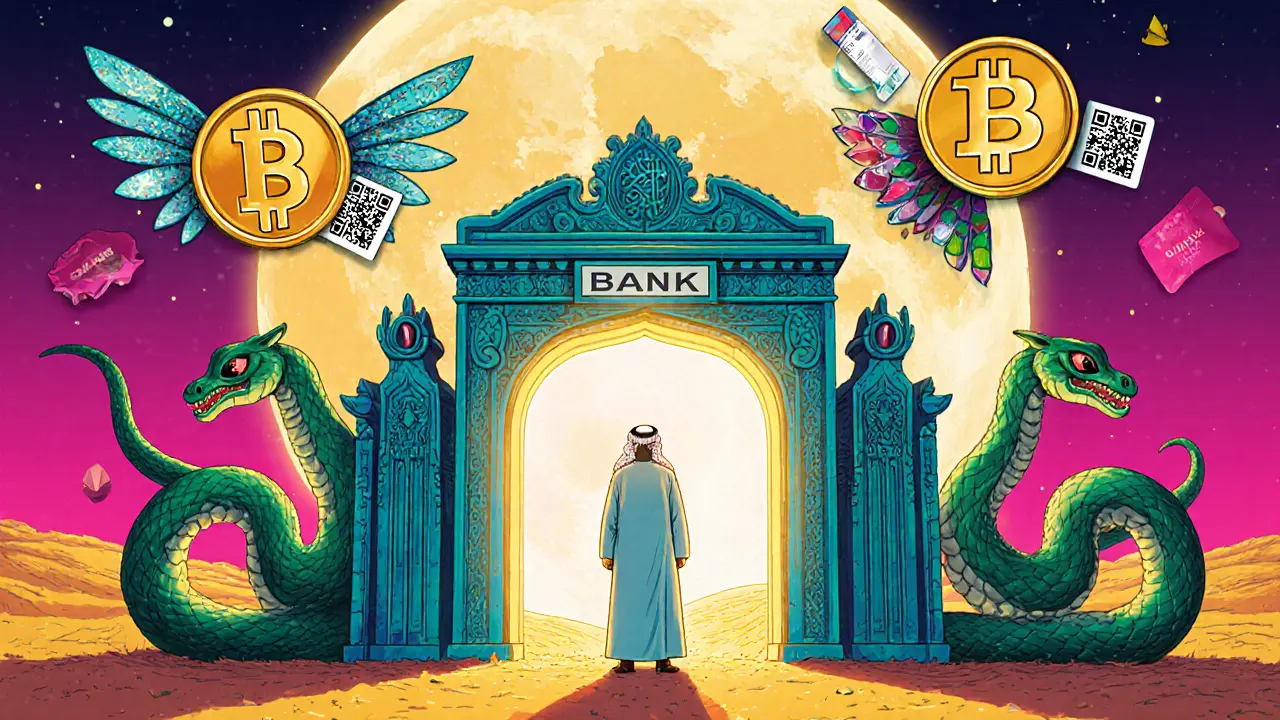
When banking crypto restrictions, policies that prevent financial institutions from processing cryptocurrency transactions. Also known as crypto banking bans, these rules force users to find workarounds just to buy Bitcoin or send USDT. It’s not about legality—it’s about access. In countries like Russia, Iran, and Algeria, banks refuse to touch crypto-related payments. That doesn’t stop people. It just pushes them underground.
These restrictions don’t kill crypto—they reshape it. In Russia, P2P crypto trading, direct peer-to-peer exchanges that bypass traditional banking channels. Also known as cryptocurrency peer trading, it’s the only way most Russians buy Bitcoin with rubles today. In Iran, where banks cut off access to global payment systems, traders use MEXC, a crypto exchange that still accepts users under international sanctions. Also known as sanction-resistant exchange, it’s become a lifeline for people who need to protect savings from inflation. Algeria’s 2025 ban led to a thriving black market where traders use VPNs and DAI on Polygon to move value. No bank? No problem. People adapt.
What’s common across all these cases? When banks say no, crypto finds another path. crypto sanctions, government-imposed financial barriers targeting crypto use by citizens or institutions. Also known as financial isolation from crypto, they’re not just about control—they’re about survival. People aren’t breaking laws to gamble. They’re using crypto to feed families, pay for medicine, or avoid currency collapse. That’s why exchanges like Bybit and XT.com still operate in restricted zones. That’s why stablecoins replaced USDT in Iran after the Nobitex hack. And that’s why North Korea, while banning crypto for its own people, steals billions in crypto to fund its regime.
The real story isn’t in the headlines about crypto bans. It’s in the quiet, persistent actions of ordinary people who refuse to be locked out of their own money. You’ll find that story here—in real cases from Russia to Algeria, in the platforms people trust, in the tokens they choose when banks turn away. These aren’t theoretical debates. They’re daily realities. Below, you’ll see exactly how it works—where it’s possible, where it’s dangerous, and what actually keeps crypto alive when the system tries to shut it down.