
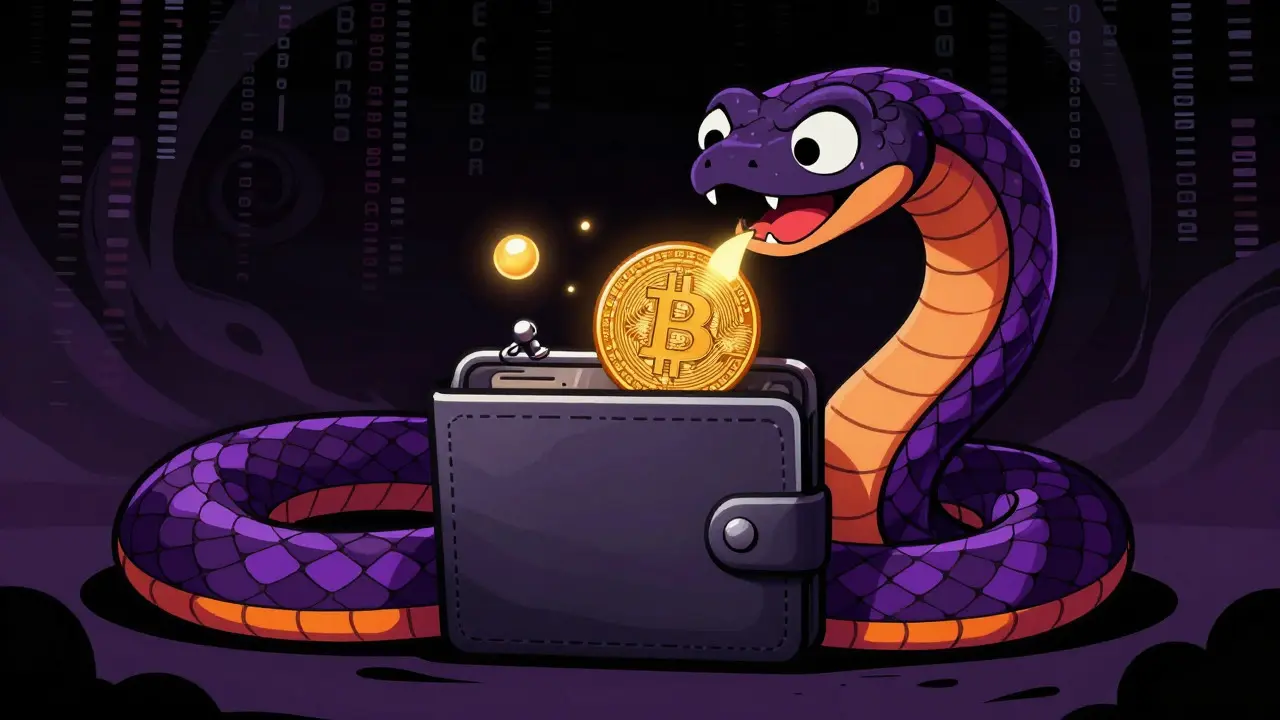
You’ve probably seen the ads or heard the whispers in Discord servers. The promise is simple and tempting: shop at VIRVIA ONLINE SHOPPING, collect points, and get free VDV tokens in an upcoming airdrop. It sounds like the perfect side hustle-buy what you need anyway, keep your wallet connected, and watch it fill with crypto. But before you connect that wallet or enter your seed phrase, stop. The data suggests this isn’t an opportunity; it’s a trap.
As of mid-2026, extensive analysis by blockchain security firms and community watchdogs confirms that the VIRVIA airdrop is widely considered a fraudulent operation designed to steal cryptocurrency credentials. This article breaks down exactly why experts flag it as a scam, how these shopping-based phishing attacks work, and how you can protect yourself from losing funds to similar schemes.
The Red Flags Behind the VIRVIA Airdrop Claim
Legitimate crypto projects don’t usually announce themselves through vague social media posts promising "guaranteed" tokens for minimal effort. They build infrastructure, release whitepapers, and engage with developers on GitHub. When we look at VIRVIA, none of that exists. Instead, we see a pattern that matches dozens of other confirmed scams from late 2025 and early 2026.
The first major red flag is the domain history. Investigations by blockchain forensics firm Elliptic revealed that the site behind VIRVIA has migrated domains multiple times. It started as virvia.shop, moved to virvia.online, and likely shifted again after takedown requests. Legitimate e-commerce brands do not constantly change their web addresses. They invest in brand recognition. Scammers change domains to escape bans and evade tracking.
Furthermore, there is zero technical footprint for a token called VDV. If you check Etherscan for Ethereum or Solscan for Solana, you will find no contract deployments for "VIRVIA" or "VDV." In the crypto world, if a token doesn’t exist on-chain, it doesn’t exist. The project claims are purely theoretical, existing only to lure users into connecting their wallets to a malicious interface.
| Feature | Legitimate Project (e.g., Monad, Abstract) | VIRVIA / Fake Shopping Airdrops |
|---|---|---|
| Blockchain Presence | Verified smart contracts on mainnet/testnet | No token contract found on any chain |
| Domain History | Stable, long-standing domain (.com, .io) | Frequent changes (.shop, .online, privacy protected) |
| Verification Method | Wallet connection via secure dApp interaction | Requests for seed phrases or suspicious permissions |
| Community Tracking | Listed on CoinGecko, Airdrops.io, Reddit r/CryptoAirdrops | Absent from trackers; flagged on scam warning lists |
| Promises | Retroactive rewards based on usage metrics | "Guaranteed" tokens for minimal shopping activity |
How the "Shopping Airdrop" Scam Works
To understand why VIRVIA is dangerous, you have to look at the mechanics. These scams exploit the growing trend of "retail-to-crypto" integration. Users want real-world utility for their digital assets. Scammers use this desire against them.
The process typically follows three steps:
- The Hook: You visit the VIRVIA website. It looks professional, often using cloned templates from legitimate platforms like Shopify. The site promises that every dollar spent earns you VDV tokens, which will be distributed later.
- The Connection: To "claim" your future tokens or verify your eligibility, the site asks you to connect your crypto wallet (MetaMask, Phantom, etc.). Sometimes, they ask for more than just a connection. They might prompt you to sign a transaction that grants unlimited spending approval, or worse, they display a fake error message asking you to input your 12-word seed phrase to "verify identity."
- The Drain: Once you sign that malicious transaction or enter your seed phrase, the scammers’ script executes. It drains your ETH, SOL, or USDT instantly. By the time you realize the balance is zero, the funds have been sent to a mixer like Tornado Cash to hide the trail.
Data from Chainalysis’ 2025 Mid-Year Crypto Crime Report highlights this vector. Fake e-commerce airdrops represented 31% of all airdrop-related fraud that year. The average victim lost $785. VIRVIA fits this profile perfectly. The Federal Trade Commission even issued Consumer Alert #2025-17 specifically warning about "shopping platform token airdrops," listing VIRVIA among high-risk operations.
Expert Consensus and Security Warnings
You don’t have to take my word for it. The broader crypto security community has spoken out against VIRVIA. Marc Kenneth, CEO of blockchain security firm Halborn, identified VIRVIA as exhibiting all twelve standard red flags for fake airdrop scams. He noted in interviews that the absence of technical documentation combined with promises of guaranteed returns is a classic indicator of fraud.
Consensys Diligence, another heavyweight in security, explicitly listed VIRVIA as a "confirmed scam operation" in their October 2025 Airdrop Safety Guide. Their code analysis of the phishing site revealed modified JavaScript designed specifically to harvest wallet credentials rather than facilitate legitimate commerce.
Community feedback mirrors these expert findings. On Reddit’s r/CryptoAirdrops, a community of over 1.2 million members, moderators pinned warnings about VIRVIA. User u/AirdropDetective documented 142 fake shopping platform scams in Q3 2025 alone, with VIRVIA appearing in 17 specific reports. Victims described identical experiences: promised VDV tokens, requested wallet connections, and subsequent loss of funds averaging $850 per incident.
Why Do These Scams Persist?
If VIRVIA is so obviously fake, why does it still circulate? The answer lies in the speed of crypto innovation versus consumer education. New users are constantly entering the space, attracted by stories of people getting rich from airdrops like those from Uniswap or Arbitrum. They hear "airdrop" and think "free money." They rarely think "phishing attack." Scammers leverage this psychological gap. They use paid influencers on TikTok and Telegram channels to spread links. They use SEO tricks to rank for terms like "best crypto airdrops 2026." Because the crypto industry is largely unregulated compared to traditional finance, it takes time for law enforcement to shut these sites down. As Dr. Hannah Kim, a blockchain security expert, predicted, operations like VIRVIA are designed to be disposable. They extract maximum value quickly, then disappear under a new name, ready to repeat the cycle.
How to Verify Legitimate Airdrops in 2026
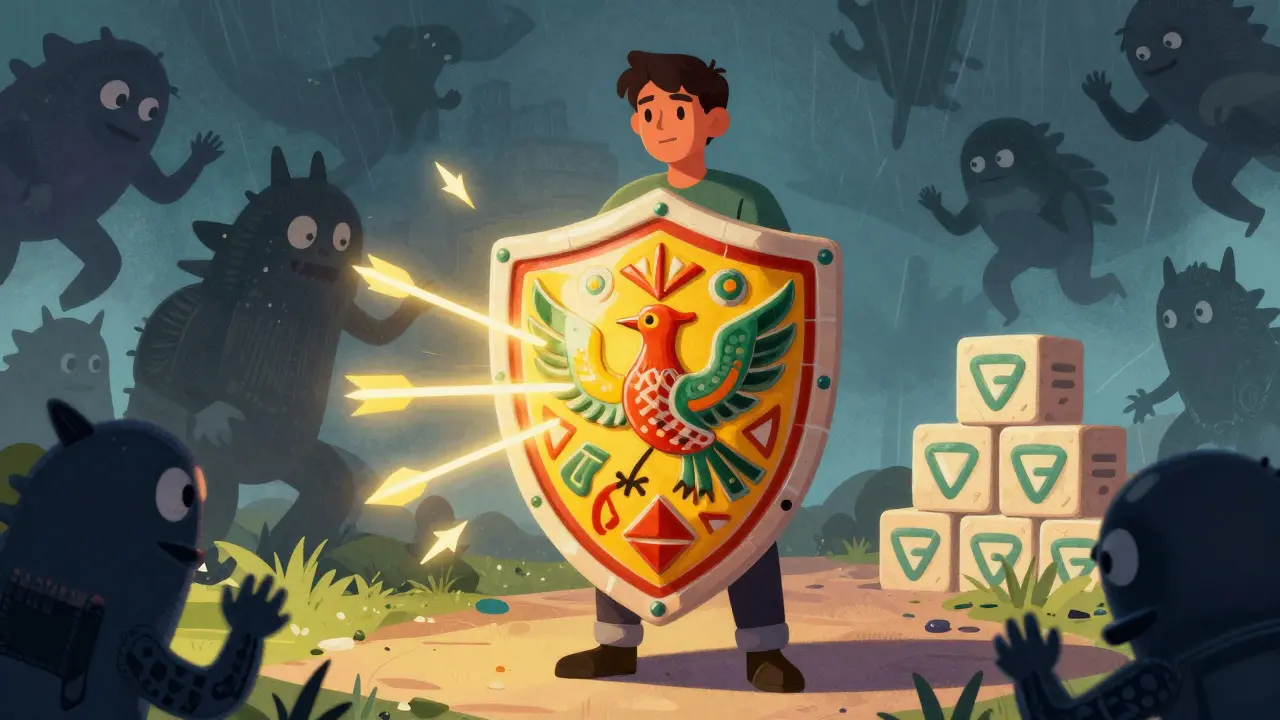
Not all airdrops are scams. Projects like Monad, Hyperliquid, and Abstract have built genuine ecosystems and rewarded early users. How do you tell the difference between VIRVIA and a real opportunity? Use this checklist:
- Check the Contract Address: Does the token have a verified address on Etherscan, Solscan, or BscScan? If you can’t find it, it’s likely fake.
- Verify the Domain: Look up the WHOIS information. Was the domain registered last week? Is the owner hidden behind a generic privacy service? Legitimate companies usually have transparent registration details.
- Search for Independent Reviews: Don’t trust the official website. Search Twitter (X), Reddit, and CoinGecko. Are real people discussing the tech, or just bots posting "To the moon!"?
- Never Share Your Seed Phrase: No legitimate website, email, or support agent will ever ask for your 12 or 24-word recovery phrase. If a site asks for it, close the tab immediately.
- Use a Burner Wallet: For any airdrop farming, use a separate wallet with only small amounts of gas fees. Never connect your main holding wallet to unverified sites.
What Should You Do If You Already Connected?
If you recently connected your wallet to VIRVIA ONLINE SHOPPING or signed a transaction, act fast. Time is money in crypto theft cases.
- Revoke Permissions: Go to a tool like Revoke.cash or DeBank. Connect your wallet and look for any approvals granted to unknown contracts. Revoke them immediately to prevent further draining.
- Move Funds: Transfer any remaining assets to a new, clean wallet. Assume the old wallet is compromised.
- Change Passwords: If you entered any login credentials or seed phrases, assume they are exposed. Change passwords for associated email accounts and consider moving funds from any hardware wallet if the seed was typed in.
- Report It: File a report with the FBI’s Internet Crime Complaint Center (IC3). While recovery is rare, reporting helps track the scammers’ patterns and aids in future takedowns.
The Future of Crypto Shopping Scams
The VIRVIA case is just one example of a growing trend. As Web3 integrates deeper into daily life, scammers will create more sophisticated fakes. Expect to see more "loyalty program" scams where fake retail brands promise crypto rewards. The EU’s Anti-Fraud Office (OLAF) has already included VIRVIA in their priority takedown list for late 2025 and early 2026, signaling increased regulatory attention.
For now, the safest advice is skepticism. If an airdrop sounds too good to be true-especially if it involves buying things you don’t need just to qualify-it probably is. Stick to established protocols, verify contracts, and keep your seed phrase offline. The crypto market offers real opportunities, but they require diligence, not desperation.
Is the VIRVIA (VDV) airdrop real?
No. Extensive analysis by security firms like Halborn and Consensys Diligence confirms that VIRVIA is a scam. There is no legitimate token contract for VDV on any blockchain, and the website uses known phishing techniques to steal wallet credentials.
Did VIRVIA ONLINE SHOPPING hack my wallet?
If you connected your wallet and signed a transaction without reading the details, or if you entered your seed phrase, your wallet is likely compromised. Scammers use malicious scripts to drain funds instantly upon connection or verification.
Where can I find legitimate crypto airdrops in 2026?
Stick to reputable tracking platforms like CoinGecko, Airdrops.io, and active communities on Reddit (r/CryptoAirdrops). Legitimate projects like Monad and Hyperliquid are tracked publicly with verifiable smart contracts.
What should I do if I lost money to VIRVIA?
Immediately revoke any token approvals using tools like Revoke.cash, move remaining funds to a new wallet, and file a report with the FBI IC3. Unfortunately, direct recovery of crypto funds is difficult, but reporting helps prevent others from being scammed.
Are shopping-based crypto rewards common?
While some legitimate loyalty programs integrate crypto, "shopping airdrops" are a major scam vector. In 2025, fake e-commerce airdrops accounted for 31% of airdrop-related fraud according to Chainalysis. Always verify the domain and contract before participating.