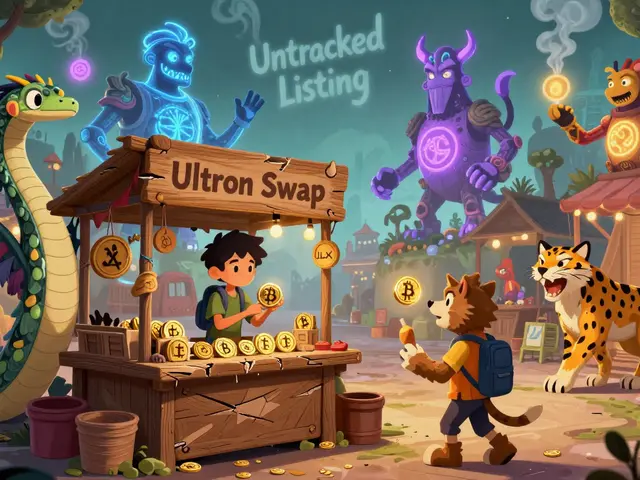
Sustainable vs Unsustainable Yield Farming in Blockchain
Learn how to tell the difference between sustainable and unsustainable yield farming in DeFi. Discover which protocols earn real revenue-and which are just printing tokens to attract users.
When you hear yield farming, a way to earn interest on crypto by supplying liquidity to decentralized finance protocols. Also known as liquidity mining, it’s not magic—it’s just lending your coins to smart contracts in exchange for rewards. Unlike banks that pay you a fraction of a percent, DeFi platforms can offer 5%, 10%, even 50% annual returns. But here’s the catch: those high yields come with real risks—smart contract bugs, impermanent loss, and tokens that vanish overnight.
Yield farming relies on liquidity pools, collections of paired crypto assets that let traders swap tokens without middlemen. You deposit, say, ETH and USDC into a pool, and the protocol uses your share to enable trades. In return, you earn a cut of trading fees plus bonus tokens from the platform. But if the price of one coin in the pair swings wildly, you could end up with less than you put in—that’s impermanent loss, the temporary drop in value you face when the ratio of assets in a pool changes. It’s not a loss until you pull out, but it can turn real fast.
And then there’s staking, locking up crypto to help secure a blockchain network and earning rewards. Some yield farming strategies combine staking with liquidity provision, like restaking your staked ETH to earn extra rewards on other protocols. But stacking risks means stacking potential losses—if one protocol gets hacked, you could lose everything you’ve tied up. The posts below show you exactly how this plays out in real cases: from platforms that paid out reliably to ones that vanished with millions. You’ll see how people made money with small setups, how others lost everything chasing 100% APY, and what red flags to watch for before you deposit a single token.
This isn’t about hype or quick riches. It’s about understanding the mechanics, the trade-offs, and the real-world outcomes. Whether you’re new to DeFi or have tried yield farming before, the guides here cut through the noise. You’ll find breakdowns of actual platforms, warnings about fake rewards, and clear explanations of how your money moves behind the scenes. No fluff. Just what works, what doesn’t, and why.
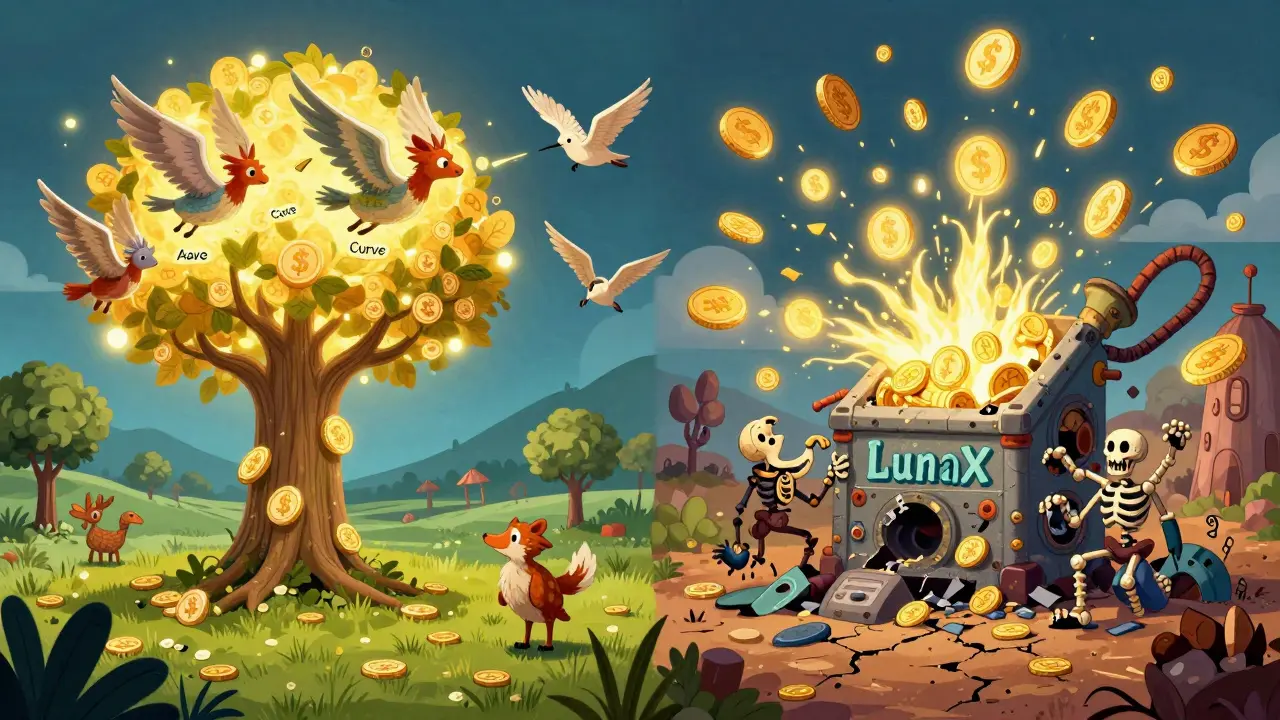
Learn how to tell the difference between sustainable and unsustainable yield farming in DeFi. Discover which protocols earn real revenue-and which are just printing tokens to attract users.