What is Khaby Lame (KHABY LAME) crypto coin? Price, supply, and risks explained
Khaby Lame (KHABY LAME) is a Solana-based memecoin with no team, no utility, and extreme volatility. Learn its price, supply, risks, and why it's not a real investment.
When you hear Solana memecoin, a type of cryptocurrency built on the Solana blockchain that gains value through internet culture and viral trends, not technical innovation. Also known as Solana meme token, it's not about utility—it's about community, timing, and pure momentum. Unlike Bitcoin or Ethereum, these tokens don’t fix problems. They ride memes. One tweet, one influencer, one Discord hype wave—and suddenly a coin with no team, no whitepaper, and no roadmap is trading at $100 million market cap. Then, just as fast, it crashes. That’s the rhythm of Solana memecoins.
What makes Solana the home for these coins? Speed and low cost. While Ethereum struggles with $50 gas fees, Solana lets you buy, sell, or create a token for pennies. That’s why over 80% of new memecoins in 2024 launched on Solana. It’s not because it’s better—it’s because it’s cheaper and faster. And when you’re chasing a viral moment, speed matters more than security. Projects like Big Dog (BIGDOG), a Solana-based meme token with no team and near-zero liquidity, often used as a cautionary example show how easy it is to launch something that looks real but has no future. Meanwhile, crypto airdrop, a free distribution of tokens to wallets that meet certain conditions, often used to bootstrap hype around new memecoins events on Solana turn casual users into early holders overnight. These airdrops aren’t charity—they’re marketing. They create the illusion of community before the token even hits exchanges.
But here’s the truth most guides won’t tell you: most Solana memecoins die within days. The ones that survive? They’re either lucky, or they’ve got a real community behind them—not just bots and influencers. You can’t predict which one will blow up. But you can learn to spot the red flags: no liquidity, no team, no trading volume history, and a name that sounds like a joke. The same posts below cover exactly that—projects like Franklin (FLY), a dormant ERC-20 token with zero activity, showing what happens when hype fades and BSClaunch (BSL), a dead token on Binance Smart Chain, proving that chain doesn’t matter if the project vanishes. They’re not Solana coins, but they’re the same story. The blockchain is just the stage. The actors? Usually gone before the curtain falls.
What you’ll find here aren’t buy guides or moonshot predictions. These are real post-mortems. Stories of coins that rose fast, vanished faster, and left traders wondering what just happened. You’ll see how airdrops trick people into holding dead assets, how trading volume can be faked, and why a 1000% pump doesn’t mean a coin is good—it just means it’s been pumped. If you’ve ever bought a Solana memecoin and lost money, you’re not alone. These posts help you understand why—and how to avoid it next time.
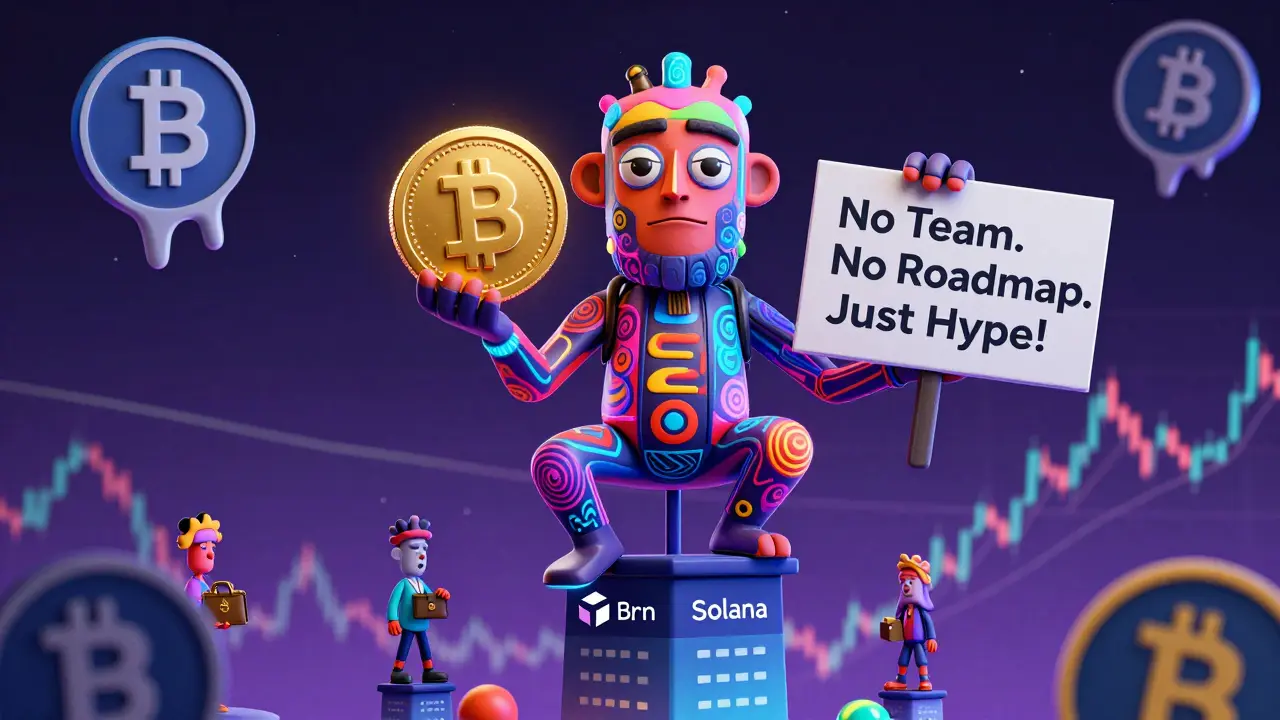
Khaby Lame (KHABY LAME) is a Solana-based memecoin with no team, no utility, and extreme volatility. Learn its price, supply, risks, and why it's not a real investment.
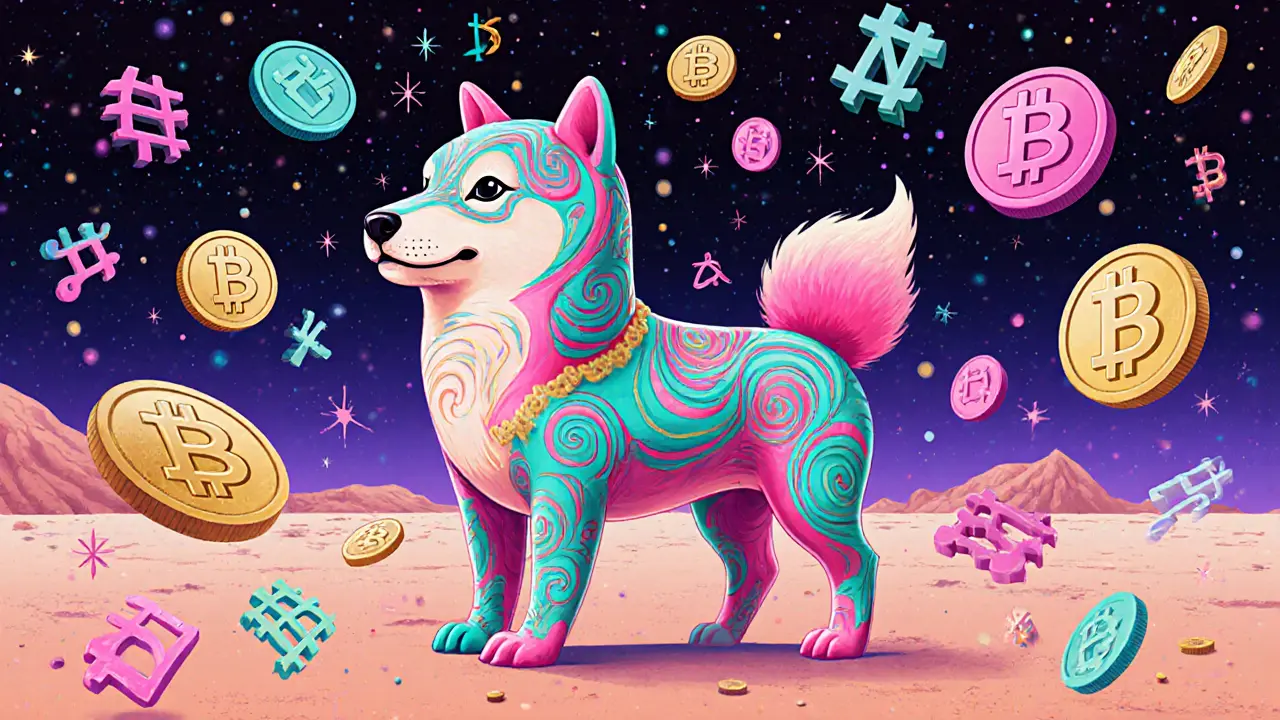
DogWifNoHat (NOHAT) is a Solana-based memecoin launched in January 2024 as a parody of Dogwifhat (WIF). With no team or utility, it survives on humor and community. Here's what you need to know about its price, supply, and whether it's worth buying.