Is Holding Crypto Legal in Saudi Arabia? 2026 Rules, Risks, and Realities
Is holding crypto legal in Saudi Arabia? As of 2026, there's no clear law - but millions hold it anyway. Learn the real risks, tax rules, and what's coming in 2025.
When it comes to Saudi crypto regulations, the official rules set by Saudi Arabia’s central bank and securities authority that define how digital assets can be used, traded, and taxed. Also known as crypto laws in Saudi Arabia, these rules are shaping one of the most structured crypto markets in the Middle East. Unlike countries that ban crypto outright or leave it in legal gray zones, Saudi Arabia has taken a deliberate path: allow innovation, but under strict oversight.
The SAMA, the Saudi Central Bank, which oversees financial institutions and has direct authority over crypto-related banking activities works hand-in-hand with the Capital Market Authority (CMA), the regulatory body that licenses crypto exchanges, enforces investor protection rules, and monitors trading platforms. Together, they’ve created a licensing system that only lets approved exchanges operate — no more shady platforms slipping through the cracks. If a crypto exchange isn’t on the CMA’s official list, it’s illegal to serve Saudi customers. That’s why you won’t find unlicensed platforms like Binance or KuCoin openly advertising in the Kingdom anymore.
For users, this means two things: safety and responsibility. You can legally buy, sell, and hold Bitcoin, Ethereum, and other major tokens — but only through licensed platforms like BitOasis, Rain, or Bybit’s Saudi-licensed arm. And yes, you must pay taxes. Starting in 2025, capital gains from crypto trades are subject to income tax under the new Personal Income Tax framework. No deductions, no loopholes. The government tracks transactions through licensed exchanges, so hiding your crypto activity isn’t an option.
What about mining? It’s not banned, but it’s heavily discouraged. High electricity costs and strict energy usage rules make large-scale mining unprofitable for individuals. The government prefers crypto adoption as a financial tool, not an energy drain. That’s why most local projects focus on blockchain for payments, identity, and government services — not mining rigs.
And while crypto isn’t legal tender, the Saudi Riyal’s digital version — the digital SAR — is being tested in pilot programs. That’s a sign of where things are headed: not away from digital money, but toward controlled, state-backed digital currency that coexists with private crypto.
What you’ll find below are real stories from people navigating these rules — how Iranians use Saudi-licensed platforms to bypass their own restrictions, how P2P traders hide payment methods under the radar, and why some crypto projects quietly disappear when they can’t meet Saudi compliance standards. This isn’t theory. These are the rules people live by every day in 2025.

Is holding crypto legal in Saudi Arabia? As of 2026, there's no clear law - but millions hold it anyway. Learn the real risks, tax rules, and what's coming in 2025.
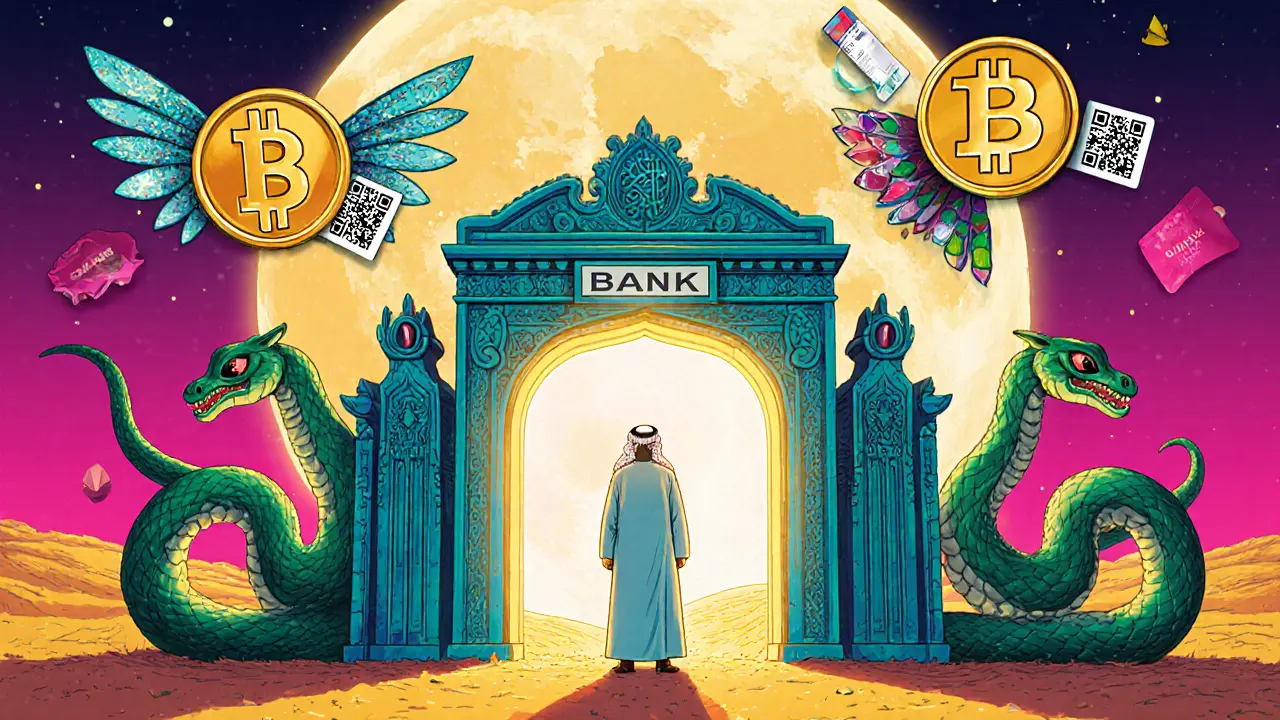
Saudi Arabia bans banks from handling crypto transactions, yet its crypto market is growing fast. Learn how individuals and businesses navigate this strict ban, the risks involved, and what the future might hold.