Iranian Crypto Exchanges: What Works, What’s Risky, and Where to Trade in 2025
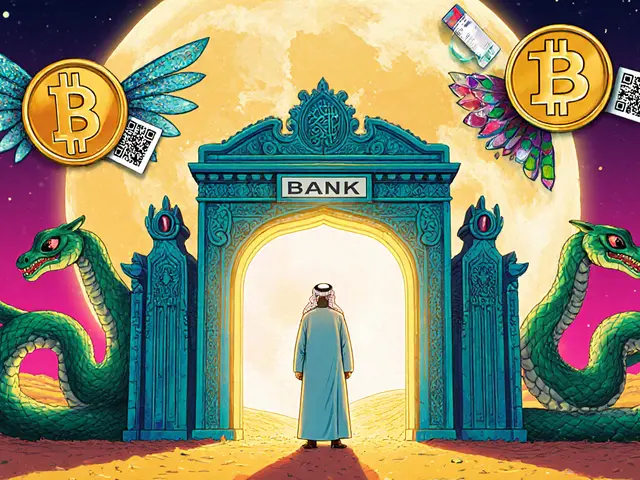
When it comes to Iranian crypto exchanges, platforms that allow buying, selling, or trading digital assets within Iran’s legal and economic constraints. Also known as domestic crypto platforms, they don’t operate like those in the U.S. or Europe—most are banned, blocked, or forced underground. The Iranian government officially prohibits banks and financial institutions from dealing with cryptocurrencies, but that hasn’t stopped millions from using them. Why? Because inflation has crushed the rial, and crypto is one of the few ways to protect savings. People aren’t trading for speculation—they’re trading to survive.
That’s where P2P crypto Iran, peer-to-peer trading networks that connect buyers and sellers directly without intermediaries. Also known as local crypto marketplaces, it’s the backbone of Iran’s crypto economy. Platforms like LocalBitcoins and Paxful used to work, but now most international exchanges have pulled out. What’s left? Telegram groups, WhatsApp networks, and apps like Bybit and MEXC that still allow P2P trades in Iranian rials. Users trade USDT for cash in person, use digital wallets to send funds, and rely on VPNs to stay anonymous. It’s messy, risky, and completely necessary.
And then there’s stablecoins Iran, digital assets pegged to the U.S. dollar that act as a stable store of value amid hyperinflation. Also known as crypto lifelines, they’re the real currency of daily life for many Iranians. USDT dominates—not because it’s flashy, but because it holds its value. People use it to pay for imports, send money abroad, and even buy groceries through local vendors who accept it. But here’s the catch: if you’re caught trading without a license, you could face fines, asset seizures, or even jail. The state doesn’t care if you’re feeding your family—they care about control.
What about crypto regulations Iran, the confusing, shifting rules that try to ban crypto while secretly letting it flow. Also known as shadow crypto laws, they’re designed to confuse, not protect. In 2025, the Central Bank still claims crypto is illegal, yet the Ministry of Energy quietly licenses mining farms powered by cheap electricity. The government even taxes crypto profits—meaning they know it’s happening and are trying to cash in. There’s no clear path to compliance. You either trade in the open and risk punishment, or you trade in the dark and risk scams.
And the scams? They’re everywhere. Fake exchanges that vanish with your funds. Telegram groups promising 50% returns on USDT. NFT projects that disappear after collecting Iranian rials. If you’re new to this, you’re not just learning crypto—you’re learning how to spot a trap. The best advice? Stick to well-known P2P platforms, never send money before you get cash, and never trust anyone who says they’re "official."
What you’ll find in the posts below isn’t a list of recommended exchanges. It’s a map of what actually works when the system is rigged. You’ll see how Iranians use stablecoins to outsmart inflation, how P2P networks bypass sanctions, and why some platforms that claim to serve Iran are just fronts for fraud. This isn’t about getting rich. It’s about staying free—with your money, your choices, and your future intact.