FarmHero token: What It Is, Why It Matters, and What You Should Know
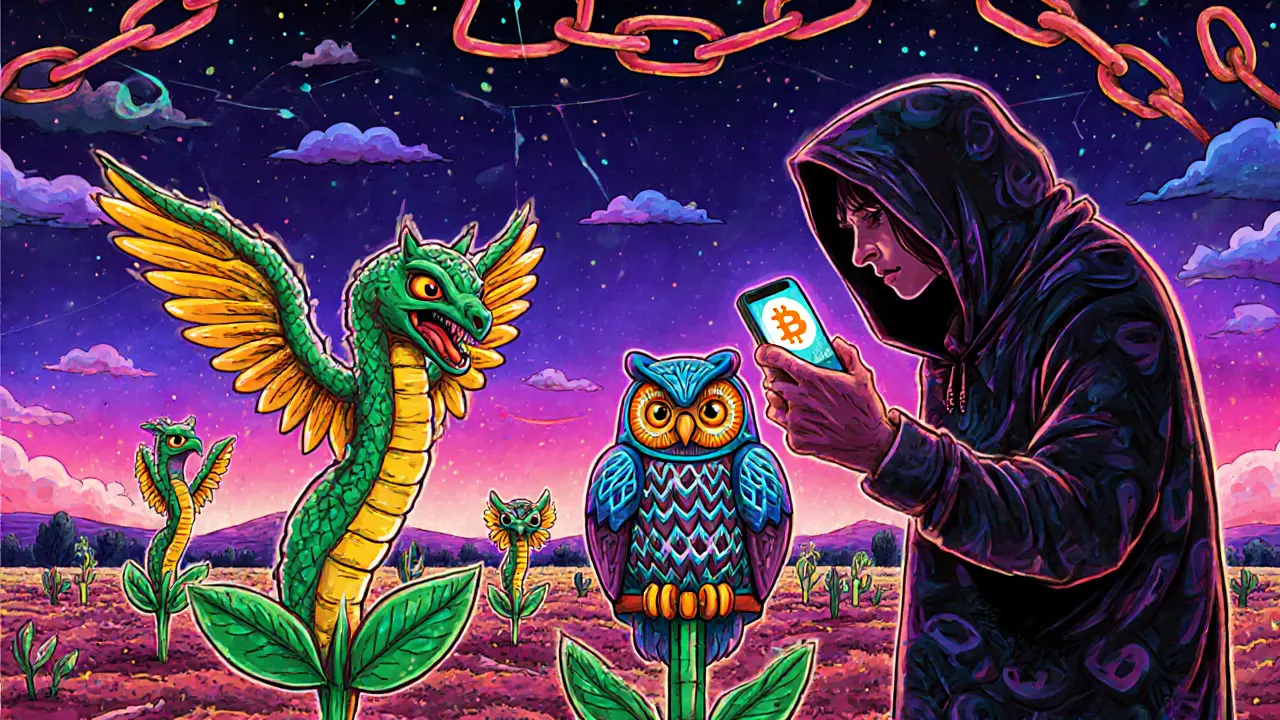
When you hear FarmHero token, a cryptocurrency linked to blockchain-based farming games and DeFi reward systems. Also known as FHM, it’s one of many tokens trying to blend play-to-earn gaming with yield farming—but few have stuck around long enough to prove real value. Unlike big names like Ethereum or Solana, FarmHero token doesn’t have a clear roadmap, major exchange listings, or public team info. That’s not unusual in crypto, but it’s a red flag when there’s zero activity on major blockchains like Ethereum or BSC, and no verified contract address in public explorers.
What makes FarmHero token different from other forgotten tokens? It’s not the tech—it’s the story. It promises rewards for playing a farming game, staking tokens, or inviting friends. Sounds familiar? That’s because it’s copied from projects like LNR Lunar Crystal NFT, a failed airdrop project that vanished without delivering promised NFTs, or CHY airdrop, a charity-themed token worth $0 with no market activity. These aren’t isolated cases. In 2025, over 70% of new gaming tokens with airdrops collapse within six months. The pattern is always the same: hype, quick price pump, then silence. No updates, no team replies, no liquidity left.
Why do people still chase these tokens? Because the idea feels real—farming, earning, growing your wealth. But real DeFi farming, like on Seamless (SEAM), a Base blockchain lending token that offers automated vaults and real staking rewards, works differently. It has audits, locked liquidity, and a track record. FarmHero token has none of that. It’s a gamble wrapped in a fairy tale.
What you’ll find below isn’t a guide to claiming FarmHero token—it’s a collection of posts that show you what actually works in crypto. From P2P trading under sanctions to AI-powered DEXs and NFT airdrops that delivered, these are the projects that survived because they solved real problems. If FarmHero token is on your radar, read these first. You’ll learn how to spot the difference between a scam and something that might actually pay off.