Sustainable vs Unsustainable Yield Farming in Blockchain
Learn how to tell the difference between sustainable and unsustainable yield farming in DeFi. Discover which protocols earn real revenue-and which are just printing tokens to attract users.
When you hear DeFi, short for decentralized finance, a system that lets people lend, borrow, and trade without banks or middlemen. Also known as decentralized finance, it runs on blockchain networks like Ethereum and BSC, using smart contracts instead of loan officers or brokers. The idea sounds simple: take your crypto, lock it up, and earn interest — no permission needed. But behind the hype, most DeFi projects are built on fake numbers, manipulated metrics, and teams that disappear after the tokens drop.
One of the biggest traps is TVL, Total Value Locked, a metric that shows how much money users have deposited into a DeFi protocol. Many platforms inflate TVL by tricking users into depositing tokens they can’t withdraw, or by using their own money to create fake liquidity. This isn’t just misleading — it’s how scams get funded. Then there’s crypto exchanges, platforms that let you trade DeFi tokens without going through a centralized broker. Some, like Jupiter or OraiDEX, offer real tools for experienced users. Others are just fronts for pump-and-dump schemes disguised as innovations. The truth? Most DeFi protocols have zero real users. They exist only to collect fees from early buyers before vanishing.
DeFi isn’t dead — but it’s not what the marketing says. Real DeFi tools help people in countries like Nigeria, Iran, and Algeria bypass broken banking systems. But the majority of projects? They’re just digital slot machines with token names that sound like science fiction. You’ll find posts here about fake airdrops tied to DeFi names, inflated TVL metrics, and protocols that vanished overnight. You’ll also see how some platforms actually work — like how Jupiter aggregates swaps on Solana, or how OraiDEX uses AI to track trades. But most of what you’ll read is about what goes wrong. Because in DeFi, the only thing more common than promises is failure.
What follows isn’t a list of top DeFi projects to invest in. It’s a collection of what actually happened — the scams, the collapses, the hidden risks, and the rare real tools that still work. If you’re tired of being sold fairy tales, you’re in the right place.
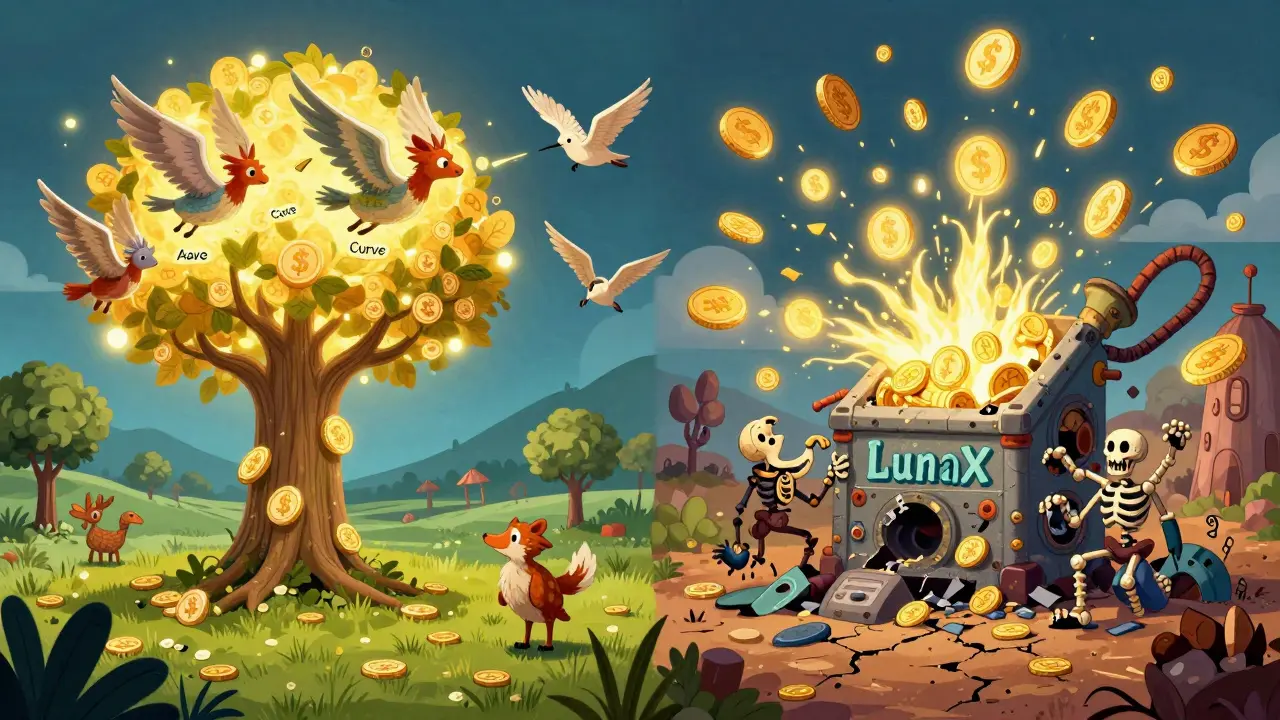
Learn how to tell the difference between sustainable and unsustainable yield farming in DeFi. Discover which protocols earn real revenue-and which are just printing tokens to attract users.
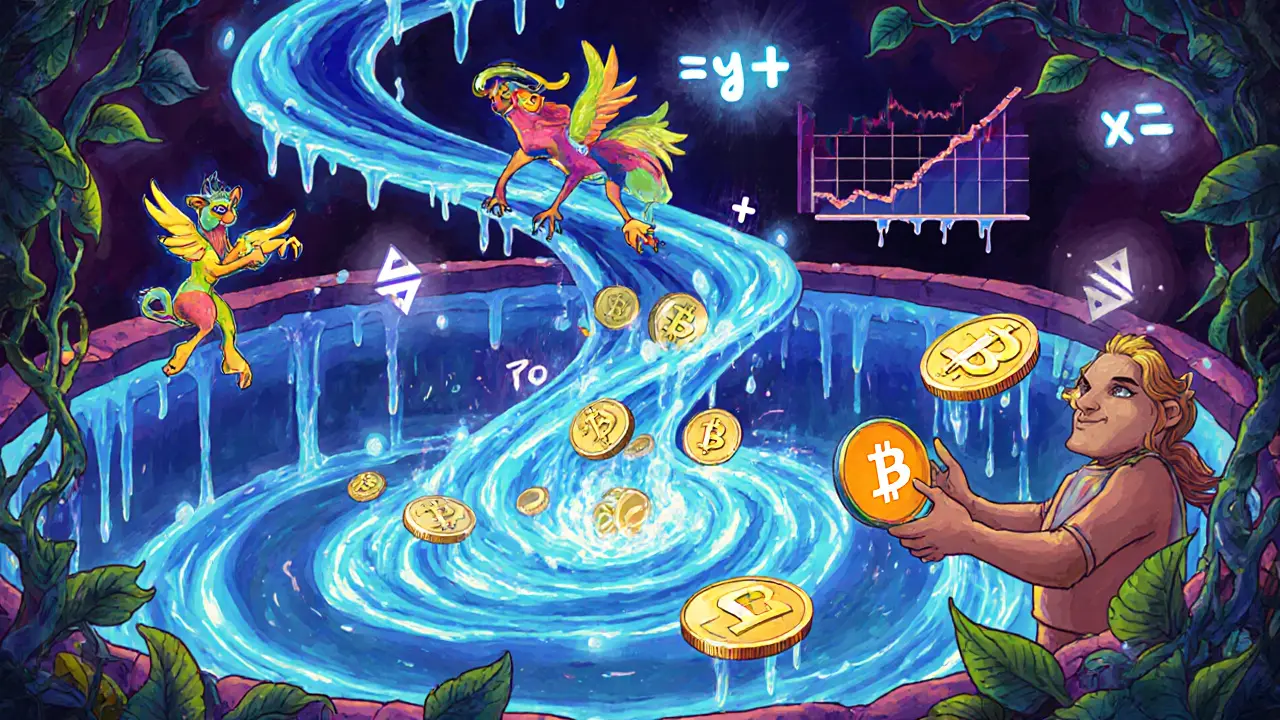
Impermanent loss becomes permanent the moment you withdraw from a DeFi liquidity pool. Learn how price changes trigger real losses, which pools are riskiest, and how to avoid locking in losses.