Decentralized Perpetual Trading: How It Works and Why It Matters
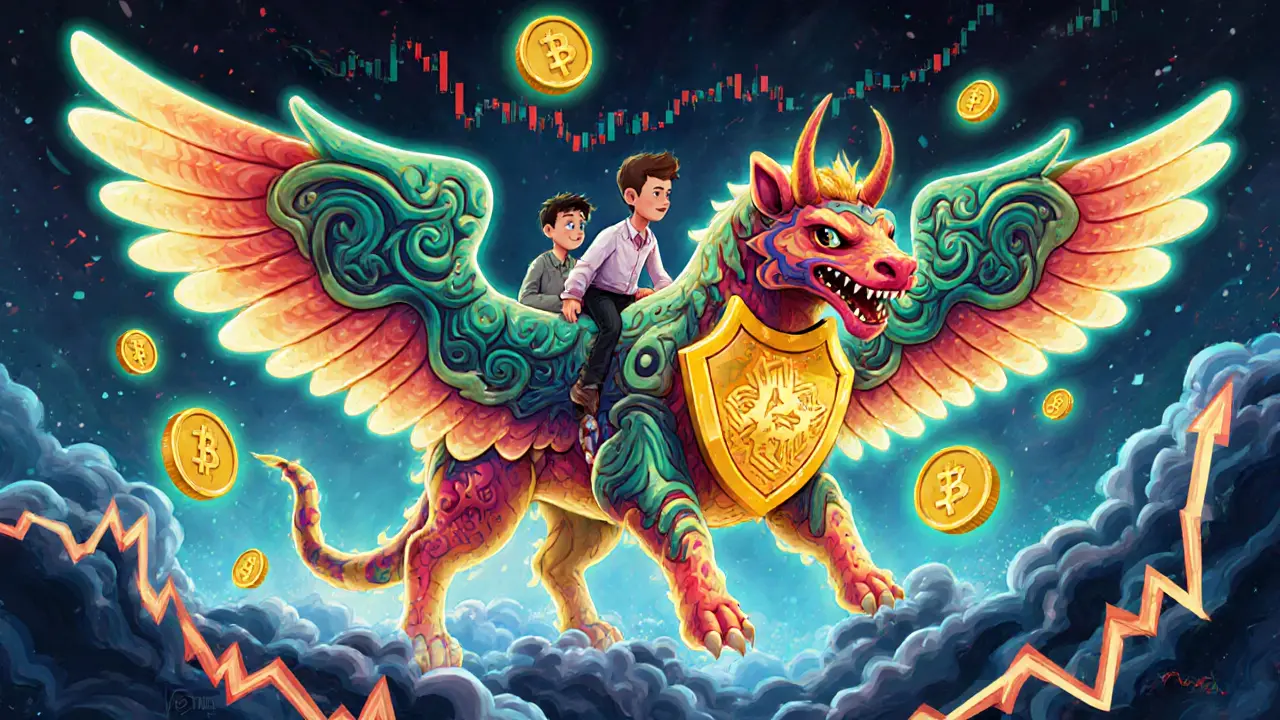
When you trade decentralized perpetual trading, a form of derivative trading on blockchain networks that lets users speculate on asset prices without owning the underlying coin. Also known as perpetual contracts on DEXs, it removes banks, brokers, and clearinghouses by using smart contracts to settle trades automatically. Unlike traditional futures that expire, these contracts never settle—hence "perpetual." They stay open until you close them, and funding rates keep the price close to the real market value.
This system relies on DeFi derivatives, financial instruments built on decentralized protocols that allow trading without centralized custody. Platforms like dYdX, Hyperliquid, and GMX use on-chain order books or automated market makers to match buyers and sellers. You don’t need to deposit funds with a company—you connect your wallet, and the contract handles everything. That means no KYC, no account freezes, and no risk of exchange insolvency like with centralized platforms.
But it’s not just about freedom. perpetual contracts, a type of derivative with no expiry date, funded by periodic payments between long and short traders let you go long or short on Bitcoin, Ethereum, or altcoins with leverage—even if you don’t own the asset. This is how traders hedge against crashes or bet on price drops without holding the coin. The funding rate, paid every 8 hours, ensures the contract price doesn’t drift too far from the spot price. If longs pay shorts, it means the market is overbought. If shorts pay longs, it’s oversold. It’s a self-correcting mechanism built into the code.
What makes this different from Binance or Bybit? In centralized exchanges, you’re trusting a company to hold your funds, manage your margin, and not get hacked or shut down. In decentralized perpetual trading, you’re trusting code—your wallet, your private key, and the audit history of the smart contract. There’s no customer support if you mess up. But there’s also no middleman to steal your money or freeze your account during a crisis, like in Russia, Iran, or Algeria, where users turn to these tools to bypass banking bans.
It’s not for beginners. You need to understand liquidation, funding rates, and slippage. A 10x leverage trade can wipe you out in minutes if the market moves against you. But for those who know what they’re doing, it’s the most powerful tool in crypto—especially when you’re trading in places where traditional finance won’t reach you. The posts below cover real cases: how traders in sanctioned countries use these tools, how some DeFi protocols manipulate metrics to look bigger than they are, and why some "innovative" platforms turn out to be empty shells.
What you’ll find here aren’t hype pieces. These are raw breakdowns of how decentralized perpetual trading actually works in the wild—where it’s used, who’s behind it, and what really happens when the market turns.