Crypto Risks in Russia: Sanctions, Hacking, and Survival Tactics
When you think of crypto risks Russia, the unique dangers faced by Russian citizens using digital assets under heavy state and international pressure, you’re not just thinking about market crashes or scams. You’re thinking about how ordinary people use Bitcoin and stablecoins to keep their savings alive after banks froze accounts, how hackers target exchanges to fund war efforts, and how the government watches every transaction — even as it quietly relies on crypto to move money abroad. This isn’t theory. It’s survival.
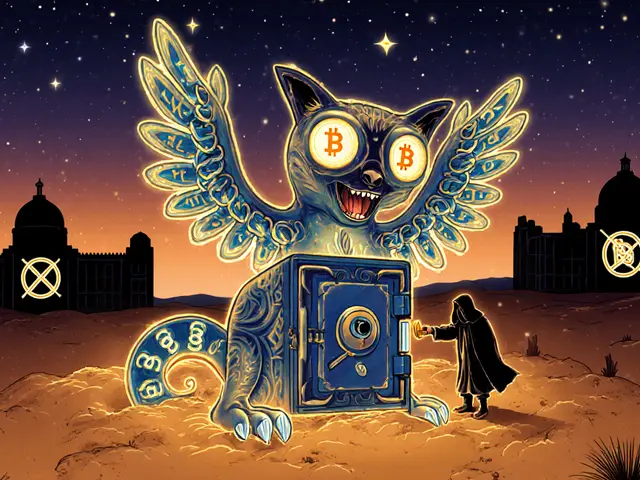
Russia crypto sanctions, the sweeping financial restrictions imposed by the U.S., EU, and allies after 2022 forced Russians to find new ways to trade, pay, and store value. They turned to P2P platforms, offshore exchanges like MEXC and XT.com, and stablecoins like USDT and DAI on Polygon — not because they wanted to, but because their ruble was crumbling and their banks were cut off. Meanwhile, crypto hacking Russia, state-backed operations stealing billions to bypass sanctions and fund military projects became a global threat. North Korea isn’t the only one doing it. Russian-linked groups have targeted DeFi protocols, exchanges, and even individual wallets to siphon funds into untraceable channels. The irony? The same tools that help Russians survive are the same ones used to undermine global financial security.
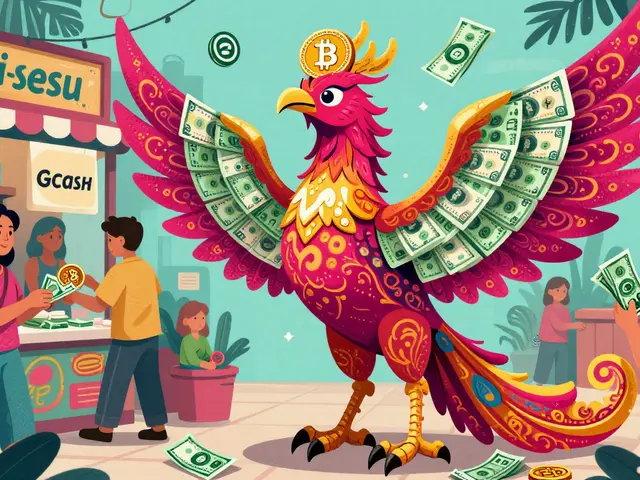
What’s missing from most headlines is the human layer: a grandmother sending money to her grandson in Turkey using a VPN and a wallet app. A miner in Siberia switching from Bitcoin to Monero because his electricity bill is paid in crypto. A small business owner paying suppliers through a Telegram bot because no bank will touch him. These aren’t tech enthusiasts — they’re regular people adapting to a broken system. And they’re doing it under constant threat: fines, jail time, asset seizures, and blacklisted wallets.
What you’ll find in the posts below isn’t hype. It’s real-world insight from people on the front lines. You’ll see how crypto exchanges operate under sanctions, how hackers exploit gaps in oversight, and how stablecoins became the new ruble. You’ll learn what works, what’s dangerous, and what to avoid if you’re trying to protect your money in a world where the rules change overnight.