Blockchain Real Estate: How Property Meets Crypto on the Chain
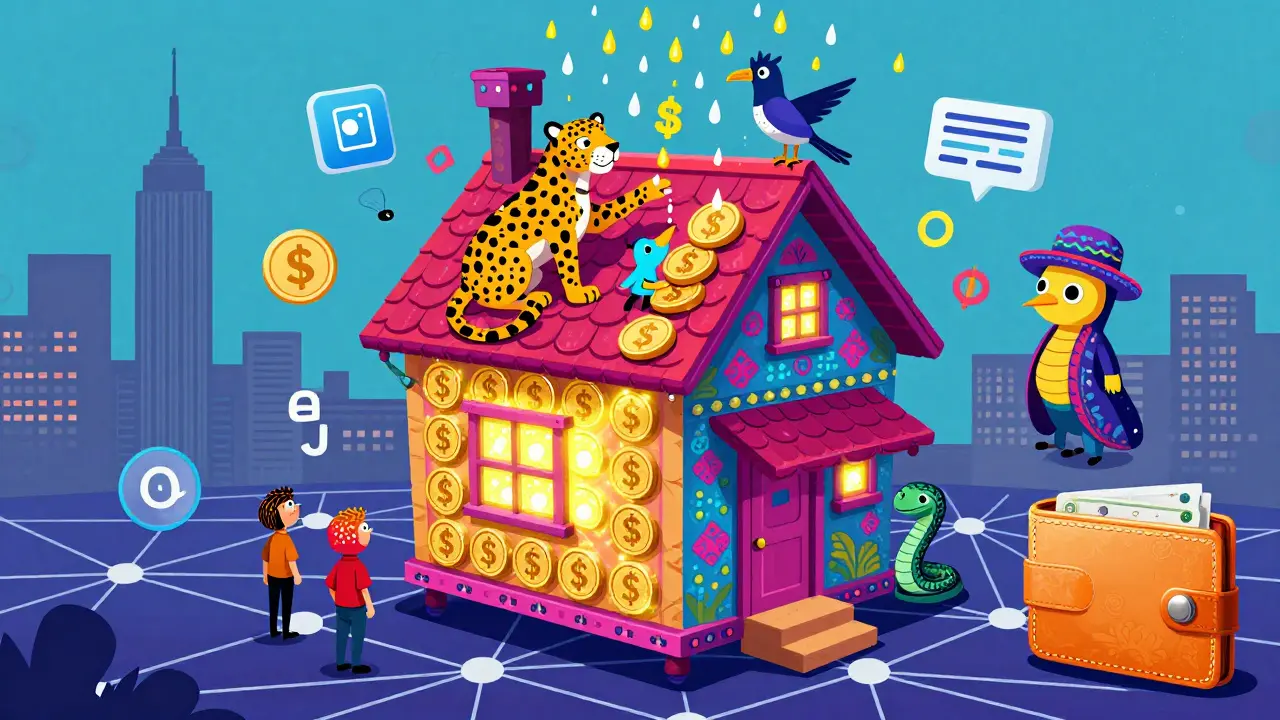
When you think of blockchain real estate, the use of blockchain technology to represent, buy, sell, or manage physical property through digital tokens. Also known as tokenized real estate, it turns a house, apartment, or commercial building into a piece of code that can be traded like any other crypto asset. This isn’t sci-fi—it’s happening right now. People are buying fractions of office buildings in Dubai, selling land in Georgia with a wallet, and renting out properties in Estonia using smart contracts that auto-pay rent in USDC. No paper deeds. No middlemen. Just code enforcing ownership.
What makes this different from old-school real estate? smart contracts, self-executing agreements coded on a blockchain that automatically trigger actions like payments or transfers when conditions are met remove the need for lawyers, escrow agents, and title companies. If rent is due, the payment hits your wallet the moment the date hits midnight. If someone buys a 10% share of a condo in Lisbon, the deed updates instantly on the chain. No delays. No disputes. And because everything is recorded on a public ledger, fraud becomes nearly impossible.
But it’s not all smooth sailing. property ownership, the legal right to use, control, and transfer real estate still depends on local laws. A token on Ethereum doesn’t automatically override a country’s property registry. In the U.S., you still need to file paperwork with the county. In Singapore, tokenized assets are recognized—but only under strict licensing. So blockchain real estate works best where the law keeps up with tech. That’s why places like Switzerland, Malta, and the UAE are leading the way—they’ve built legal bridges between physical deeds and digital tokens.
And then there’s the money side. Tokenization lets you own a slice of a $5 million building with $500. That’s the power of fractional ownership. It opens up real estate to people who could never afford a whole property. But it also brings risks. What if the platform managing the tokens shuts down? What if the underlying property gets seized? These aren’t theoretical questions. We’ve seen projects vanish after raising millions in token sales, leaving investors with digital shares of nothing. That’s why the posts below dig into real cases: the ones that worked, the ones that collapsed, and the ones still hanging on by a thread.
Below, you’ll find honest breakdowns of actual blockchain real estate projects, scams that fooled investors, platforms that made ownership transparent, and jurisdictions where it’s actually legal to trade property as crypto. No fluff. No hype. Just what’s real, what’s risky, and what’s worth your attention in 2025.