Anypad (APAD) Bot Airdrop: What We Know and What You Should Avoid
There is no official Anypad (APAD) bot airdrop. Learn what Anypad really does, how to safely get APAD tokens, and how to avoid crypto scams targeting fake airdrops in 2025.
When a new blockchain project needs funding, exposure, and real users, it often turns to a Anypad LaunchPad, a platform that helps crypto startups launch tokens, attract investors, and build community. Also known as a crypto launchpad, it acts like a bridge between early-stage teams and people who want to get in on the ground floor. Unlike big exchanges that list coins after they’re already trading, launchpads like Anypad focus on the very beginning — when a project is still small, risky, and full of potential.
Anypad isn’t just a place to buy tokens. It’s a system that filters projects, runs token sales, and often gives early participants extra rewards. Many of the projects it supports are built on Binance Smart Chain or Ethereum, and they usually offer something new — whether it’s a DeFi tool, a gaming token, or a privacy-focused blockchain app. The platform checks for team credibility, code audits, and real utility before letting a project go live. That’s why users trust it more than random airdrops or shady Telegram groups. It’s not perfect, but it’s one of the few places where you can find a project that actually has a roadmap — not just hype.
Other launchpads like DAO Maker or Polkastarter do similar things, but Anypad stands out by focusing on simplicity and speed. It doesn’t force long lock-ups or complex staking requirements. You can join a sale with a few clicks, and if the project takes off, you’re already in. But here’s the catch: not every project succeeds. That’s why Anypad’s real value isn’t just in the tokens you buy — it’s in the insight you gain. You start seeing patterns. Which teams deliver? Which tokens get real usage after launch? Which ones vanish in a month? The posts below dive into exactly that. You’ll find reviews of projects that launched on Anypad, breakdowns of failed token sales, and guides on how to spot the difference between a real opportunity and a dead end. Whether you’re new to crypto or you’ve been trading for years, these articles give you the real story behind the launchpads — no fluff, no marketing spin, just what actually happened.
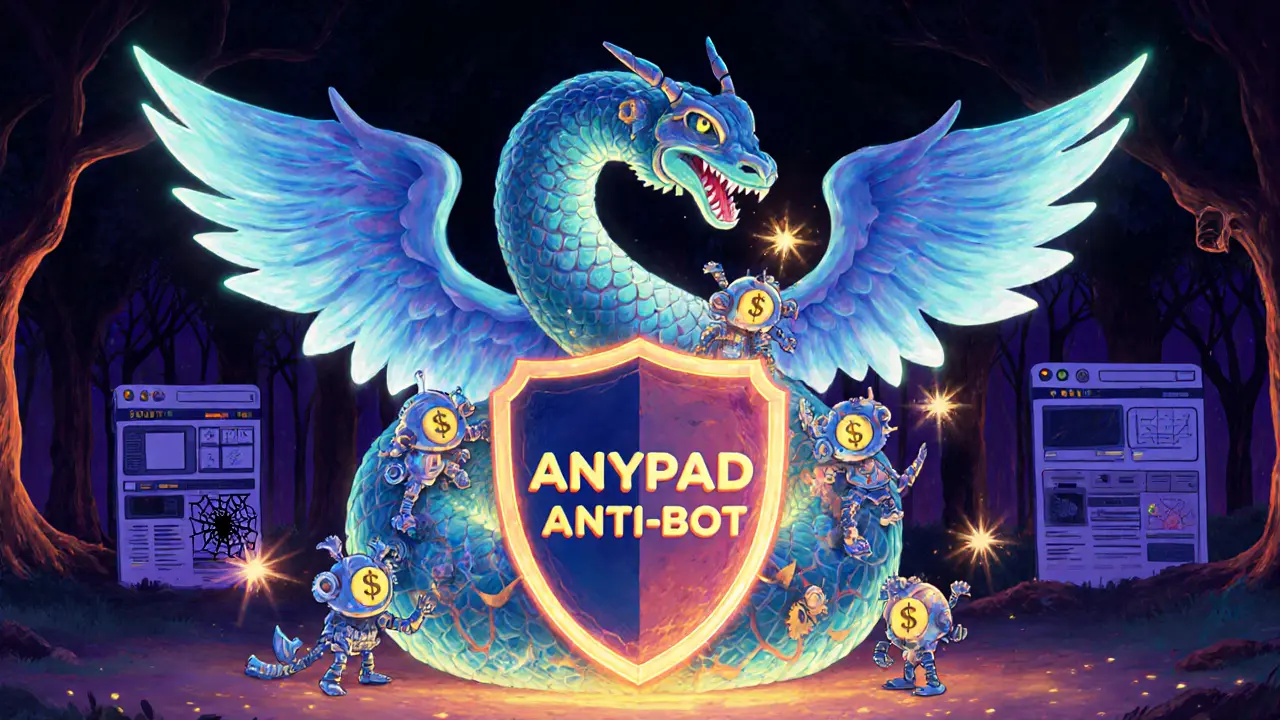
There is no official Anypad (APAD) bot airdrop. Learn what Anypad really does, how to safely get APAD tokens, and how to avoid crypto scams targeting fake airdrops in 2025.