Mining Crypto in Russia: Law and Restrictions in 2025
Russia allows legal crypto mining under strict rules: register your operation, pay a 15% tax, avoid banned regions, and accept power cuts during winter. Here's what you need to know in 2025.
When you look at the WiseEast Crypto, a knowledge-first hub for blockchain and digital assets that cuts through the noise with practical guides and real-world analysis. Also known as a trusted crypto resource for traders and learners, it focuses on what actually matters: token fundamentals, exchange reliability, and security you can count on. March 2025 was a quiet but meaningful month in crypto—no wild pumps, no dramatic crashes. Instead, it was the kind of month where real progress happens: protocols shipped updates, exchanges improved verification systems, and a few under-the-radar airdrops started gaining traction among active participants.
The blockchain, the underlying technology that powers digital assets by recording transactions in a tamper-proof, decentralized ledger. Also known as distributed ledger technology, it’s not just about Bitcoin or Ethereum anymore—this month saw smaller chains like Celestia and Berachain gaining attention for their scalability solutions. What stood out was how many projects moved from theory to live testnets. Users weren’t just speculating—they were testing wallets, staking tokens, and reporting bugs. Meanwhile, the digital assets, tokenized assets including cryptocurrencies, utility tokens, and governance tokens that represent value or access on blockchain networks. Also known as crypto assets, they’re not all the same—some are meant to be spent, others to be voted with, and a few are just experimental. landscape shifted subtly: stablecoins saw minor regulatory tweaks in key markets, and a handful of memecoins quietly added real utility like token-gated Discord access or early product trials.
And then there were the airdrops, free token distributions to users who complete specific actions like using a protocol, holding a coin, or joining a community. Also known as token rewards, they’re one of the most effective ways new projects build early adopter networks. March didn’t have the massive, headline-grabbing drops from big names—but it had dozens of smaller, well-targeted ones. Users who paid attention to wallet activity on Arbitrum, Base, and Polygon got rewarded. No guesswork. No hype. Just clear rules and real value.
This archive pulls together every guide, review, and update WiseEast Crypto published that month. You’ll find honest takes on exchange security upgrades, step-by-step breakdowns of how to claim those quiet airdrops, and deep dives into tokens that quietly improved their tokenomics. No fluff. No recycled news. Just the kind of info that helps you trade smarter, avoid scams, and spot real momentum before it blows up. What you’re about to read isn’t a history lesson—it’s a playbook for how crypto moves when no one’s watching.

Russia allows legal crypto mining under strict rules: register your operation, pay a 15% tax, avoid banned regions, and accept power cuts during winter. Here's what you need to know in 2025.

Cruze (CRUZE) was marketed as a crypto platform for content creators but collapsed within weeks. With no code, no team, and a 97% price crash, it's now considered a dead token and likely scam.
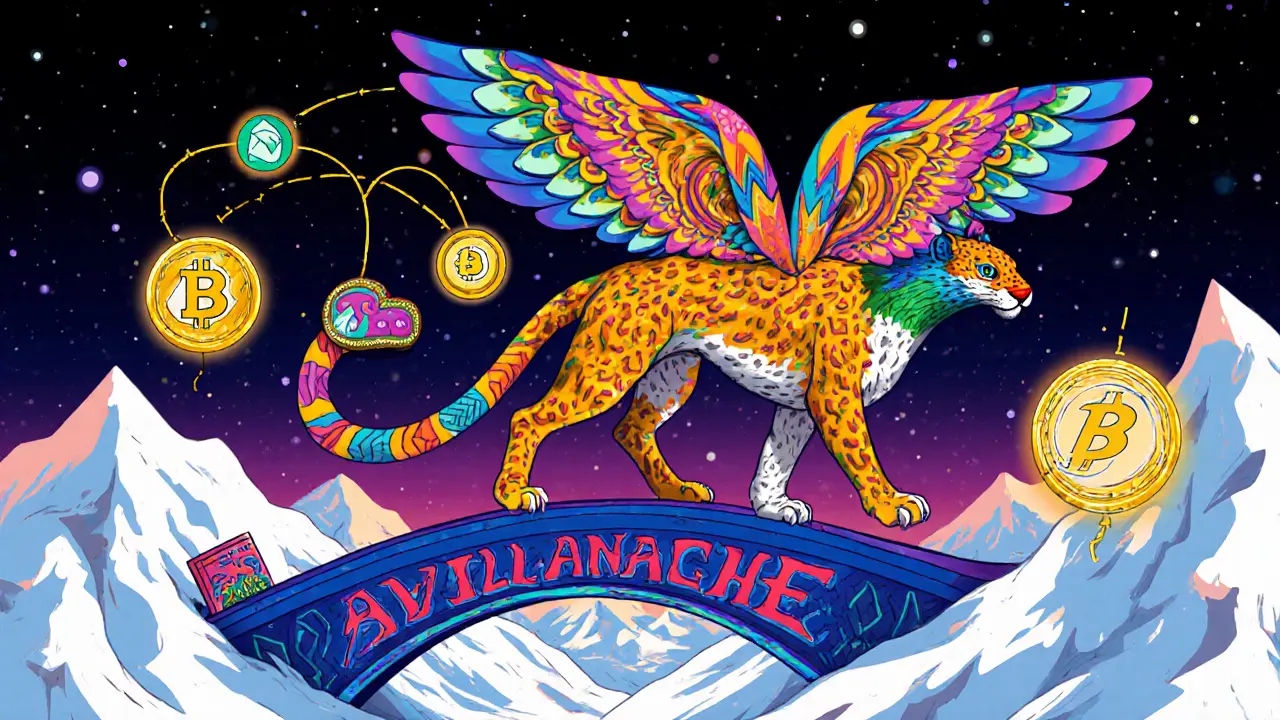
KyberSwap Classic (Avalanche) is a small but transparent DEX aggregator offering clean trades for AVAX, USDT, and WBTC. With low slippage and real volume, it's ideal for precise swaps - but lacks tokens, farming, and user feedback.
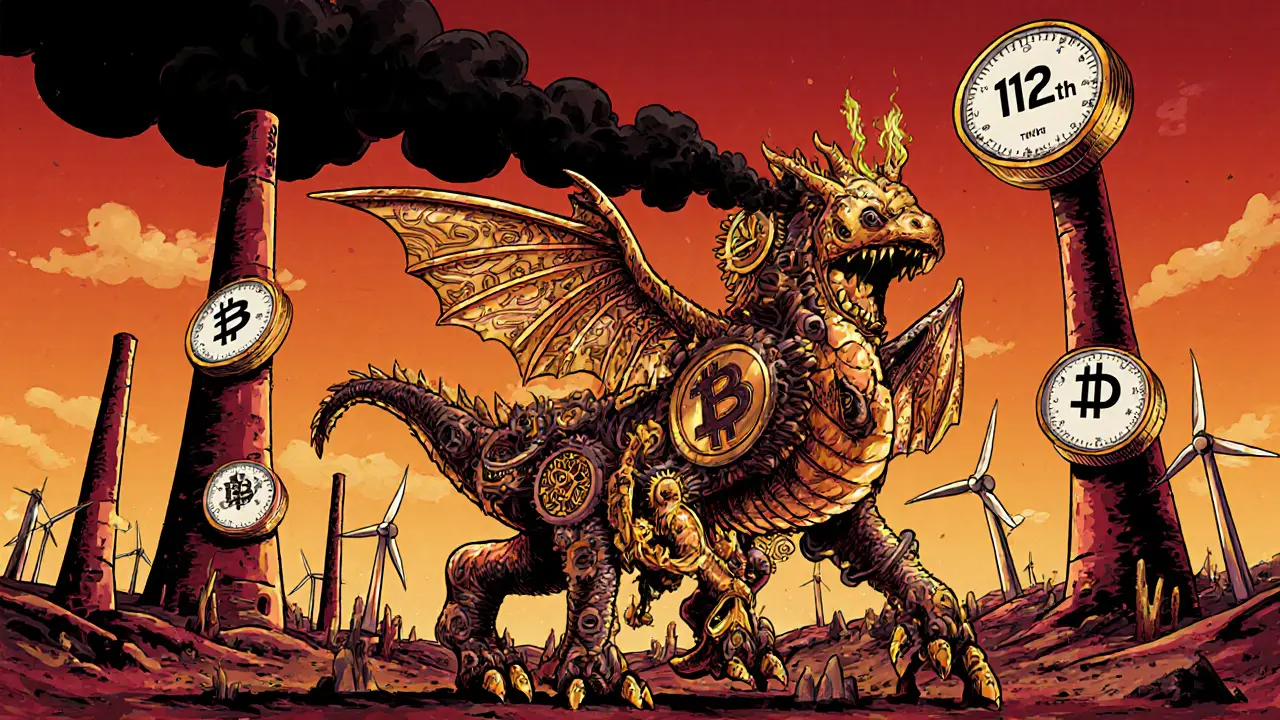
Proof of work blockchains like Bitcoin consume massive amounts of energy and emit millions of tons of CO2 annually. Learn how Ethereum's switch to proof of stake cut energy use by 99.95%, why renewables don't fix the problem, and what you can do to choose greener crypto.

Ecuador doesn't ban cryptocurrency, but banks block all transactions, taxes apply to profits, and only 2.73% of people use it. Learn how crypto works in this restrictive dollarized economy.

PLGR Pledge Finance had no airdrop. The token launched in 2021 with a public sale, but the project is now inactive with zero trading volume. Beware of fake airdrop scams claiming to give away PLGR tokens.