WELL Airdrop Details: What We Know and How to Prepare
No verified WELL airdrop exists as of November 2025. Learn how to spot scams, what real airdrops require, and which projects to watch instead. Stay safe and avoid losing crypto to fake claims.
When you hear WELL token, a cryptocurrency designed to support health and wellness initiatives through decentralized incentives. Also known as WELL crypto, it's not just another meme coin—it's built to reward users for healthy habits, fund wellness apps, and connect communities around real-world outcomes. Unlike tokens that exist only on charts, WELL token ties value to measurable actions: completing fitness challenges, attending mental health sessions, or contributing to community wellness programs. It’s a bridge between blockchain incentives and human behavior.
WELL token often works alongside DeFi platforms, decentralized financial systems that allow users to earn, lend, or stake without banks, where holders can lock their tokens to earn rewards tied to wellness metrics. It also connects with NFTs, unique digital assets that represent ownership of health achievements, like badges for running 100 miles or meditating for 30 days straight. These aren’t just collectibles—they’re proof of participation, stored on-chain so no one can fake them. The token’s supply and distribution are usually designed to prevent hoarding, with mechanisms that encourage spending or staking over speculation.
Real projects using WELL token include apps that pay users in tokens for logging daily water intake, joining group yoga sessions, or completing smoking cessation programs. Some even partner with clinics or insurance providers to offer discounts based on token activity. This isn’t theoretical—it’s happening in small communities right now, mostly outside the spotlight of major exchanges. You won’t find WELL token on Binance or Coinbase, but you’ll see it on niche DeFi dashboards and wellness-focused wallets. That’s why most people don’t know about it—and why those who do are building something rare: a crypto project that actually improves lives instead of just moving prices.
What you’ll find below isn’t a list of price predictions or hype cycles. It’s a collection of real stories, broken experiments, and working models tied to WELL token and similar health-driven crypto projects. Some worked. Some vanished. All of them teach you something about what happens when blockchain meets human behavior—and why most of them fail before they ever get noticed.
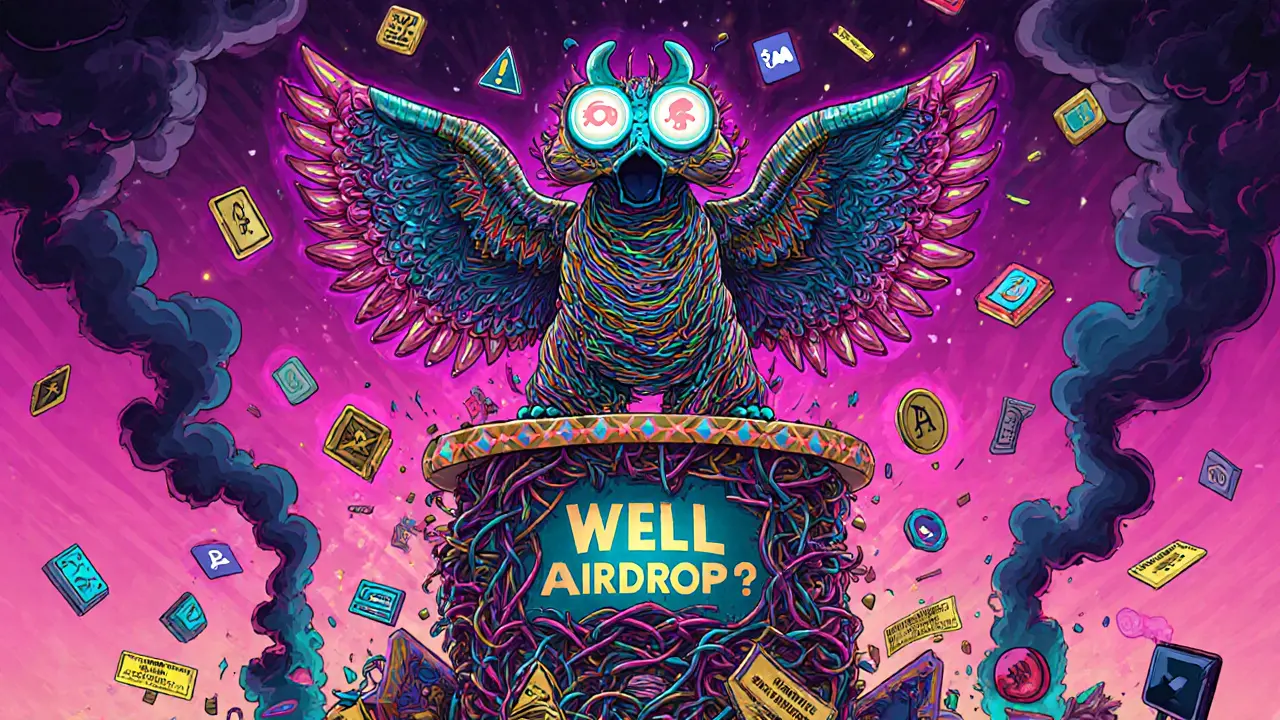
No verified WELL airdrop exists as of November 2025. Learn how to spot scams, what real airdrops require, and which projects to watch instead. Stay safe and avoid losing crypto to fake claims.