Kosovo Crypto Mining Ban: What Happened and Who’s Still Mining?
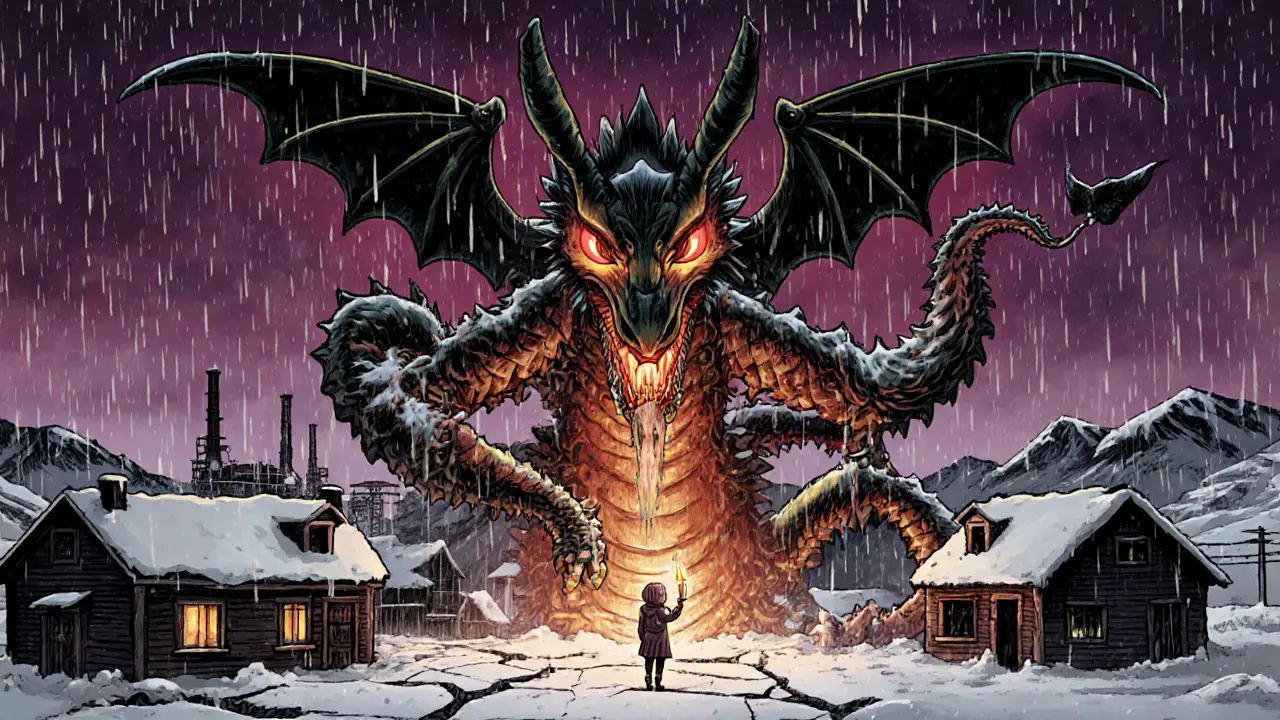
When Kosovo crypto mining ban, a government decision to shut down cryptocurrency mining due to national energy shortages. It was one of the first in Europe to act fast—but it didn’t stop mining. It just pushed it underground. In early 2023, Kosovo’s government shut down hundreds of crypto mining farms after the country’s power grid collapsed under the load. Power outages became daily events. Homes went cold. Hospitals struggled. The move made sense on paper: stop energy-hungry miners, save electricity for people. But the reality? Miners didn’t disappear. They just got smarter.
Related to this are Balkan crypto regulations, the patchwork of laws across Southeastern Europe that treat crypto differently—some ban it, some ignore it, a few try to tax it. Kosovo isn’t alone. Serbia lets mining continue with minimal oversight. North Macedonia has no clear rules. Albania? No laws at all. This creates a gray zone where miners move easily across borders. And then there’s crypto enforcement Kosovo, the inconsistent, under-resourced attempts by local authorities to track and shut down mining operations. They raid warehouses, seize ASICs, and fine operators—but without real digital tracking tools, they’re hunting ghosts. Most miners use VPNs, hidden power lines, and rented garages. Some even plug into agricultural pumps or remote substations no one monitors.
The Kosovo crypto mining ban didn’t kill mining—it exposed how weak enforcement is when money and electricity are involved. Miners didn’t leave. They adapted. And now, with energy prices rising across Europe and crypto prices rebounding, the pressure is building again. People are asking: if the government can’t stop it, why try? Meanwhile, neighboring countries watch closely. If Kosovo reopens mining under strict rules, others might follow. If it doesn’t, the black market grows. What’s clear? You can ban hardware, but you can’t ban demand. Below, you’ll find real cases of how miners bypassed bans, what tools they used, and how similar stories play out in Russia, Algeria, and North Korea—places where the same battle is happening, just with different stakes.