El Salvador Bitcoin: Why the Country Went All-In on Crypto
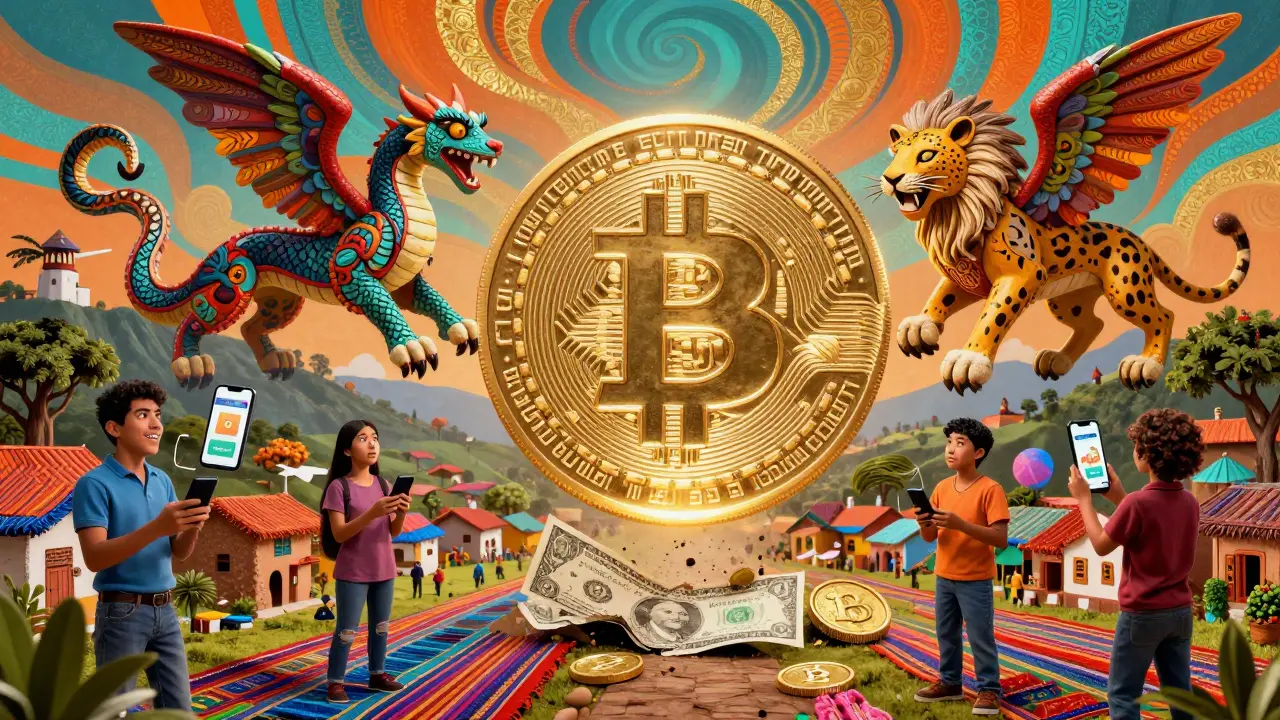
When El Salvador Bitcoin, the first nation to adopt Bitcoin as legal tender alongside the U.S. dollar. Also known as Bitcoin legal tender, it marked a radical break from traditional monetary policy and sparked global debate. In September 2021, El Salvador didn’t just allow Bitcoin—it made it law. People could pay taxes, buy coffee, or rent a taxi using Bitcoin, and businesses had to accept it unless they lacked the tech. No country had ever done that before.
This move wasn’t just about technology. It was a response to economic pressure. Over 70% of Salvadorans were unbanked. Remittances—money sent home from abroad—made up nearly 20% of the country’s GDP, and fees for sending cash through Western Union or MoneyGram ate up 10% or more. Bitcoin offered a cheaper, faster alternative. The government launched the Chivo wallet, gave people $30 in Bitcoin just for signing up, and installed hundreds of ATMs. It wasn’t perfect—many didn’t understand it, some protests happened, and the Bitcoin price crashed—but the goal was clear: bypass broken systems and build something new.
What followed was a ripple effect. Other countries started asking: Could this work for us? crypto-friendly jurisdiction, a place with clear rules, low taxes, and support for blockchain businesses became a hot topic. Places like Dubai, Switzerland, and Georgia watched closely. Meanwhile, Bitcoin as legal tender, a policy where a national government gives Bitcoin the same status as its official currency stayed unique to El Salvador—until now. No other country has copied it fully. But the experiment didn’t just stay in El Salvador. It forced regulators, banks, and crypto projects to rethink what money can be. It showed that a small nation with little power in global finance could shake the system.
Below, you’ll find real stories and breakdowns about how this experiment unfolded—the wins, the losses, the scams that followed, and the tools people actually used. You’ll see how Bitcoin changed daily life for Salvadorans, how exchanges adapted, and why some projects tried to ride its wave—only to vanish. This isn’t theory. It’s what happened when a country bet everything on crypto.