Cryptocurrency Legal Status Nigeria: What’s Allowed, What’s Banned, and How People Still Trade
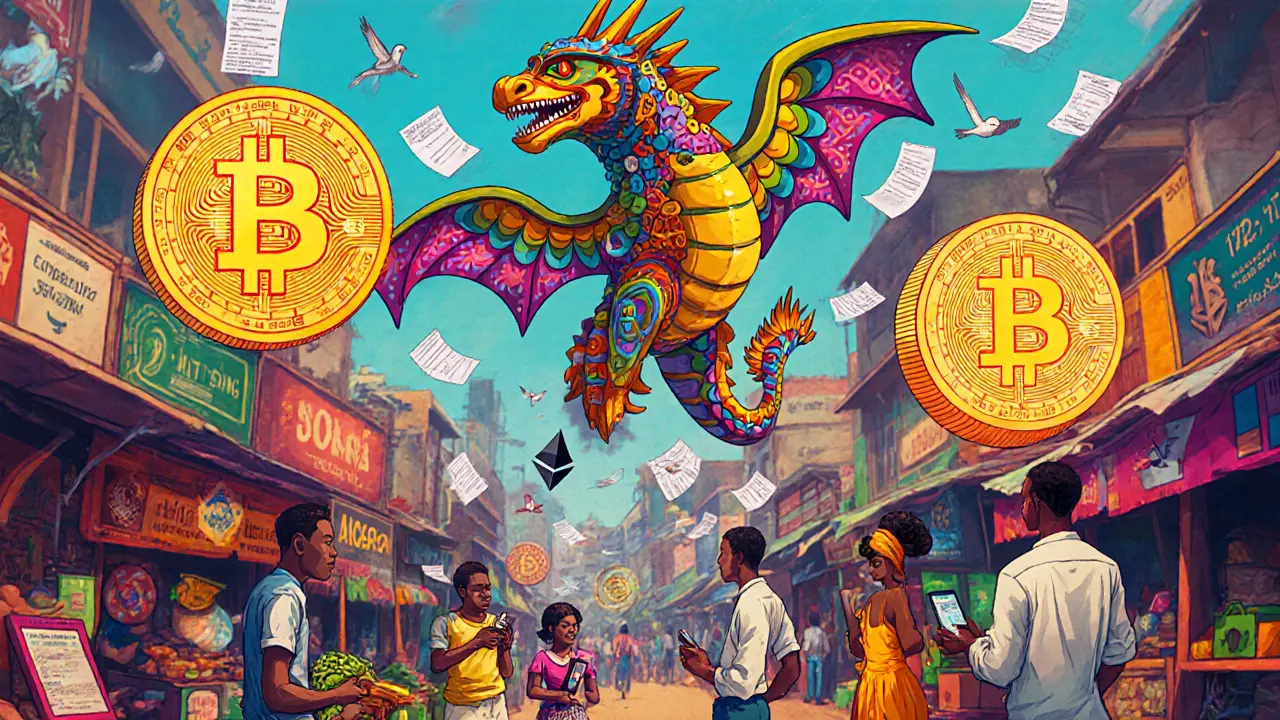
When it comes to cryptocurrency legal status Nigeria, the official stance from the Central Bank of Nigeria bans financial institutions from handling crypto transactions, but it doesn’t make owning or trading Bitcoin illegal for individuals. Also known as Nigerian crypto regulations, this gray area has created one of the most active underground crypto markets in Africa. The Central Bank of Nigeria, the country’s financial regulator that issued the 2021 directive cutting off crypto access from banks and payment processors. Also known as CBN crypto ban, it was meant to stop money laundering and protect the naira—but it didn’t stop trading. Instead, it pushed millions of Nigerians to P2P crypto Nigeria, peer-to-peer platforms where users trade Bitcoin, USDT, and other tokens directly with each other, using mobile money, bank transfers, or even cash. Also known as Nigerian crypto P2P, this is how most people buy and sell crypto today.
What’s surprising is how much this system works. Even with the ban, Nigeria ranks among the top five countries globally for crypto adoption. People use it to send money home, protect savings from inflation, and pay for goods when traditional banking fails. Local traders on platforms like Paxful, Binance P2P, and local Telegram groups handle billions in monthly volume. The government doesn’t arrest individuals for holding crypto—it just blocks banks from helping them. That’s why VPNs, fake names, and multiple bank accounts are now common tools in every crypto user’s kit.
There’s no clear path to legalization yet. The Nigerian Securities and Exchange Commission has signaled openness to regulating crypto as an asset class, but the CBN still holds the power. Meanwhile, users keep trading. Some use stablecoins like USDT on BSC or Polygon to avoid exchange fees and delays. Others trade DAI, which is less monitored. The real story isn’t about laws on paper—it’s about what people do when the system doesn’t work for them.
What you’ll find in the posts below are real examples of how Nigerians navigate this space—how they bypass restrictions, what platforms they trust, and which scams to avoid. You’ll also see how this mirrors what’s happening in Iran, Algeria, and Russia: when banks won’t help, crypto steps in.