CRUZE price: What’s driving its value and where to find real data
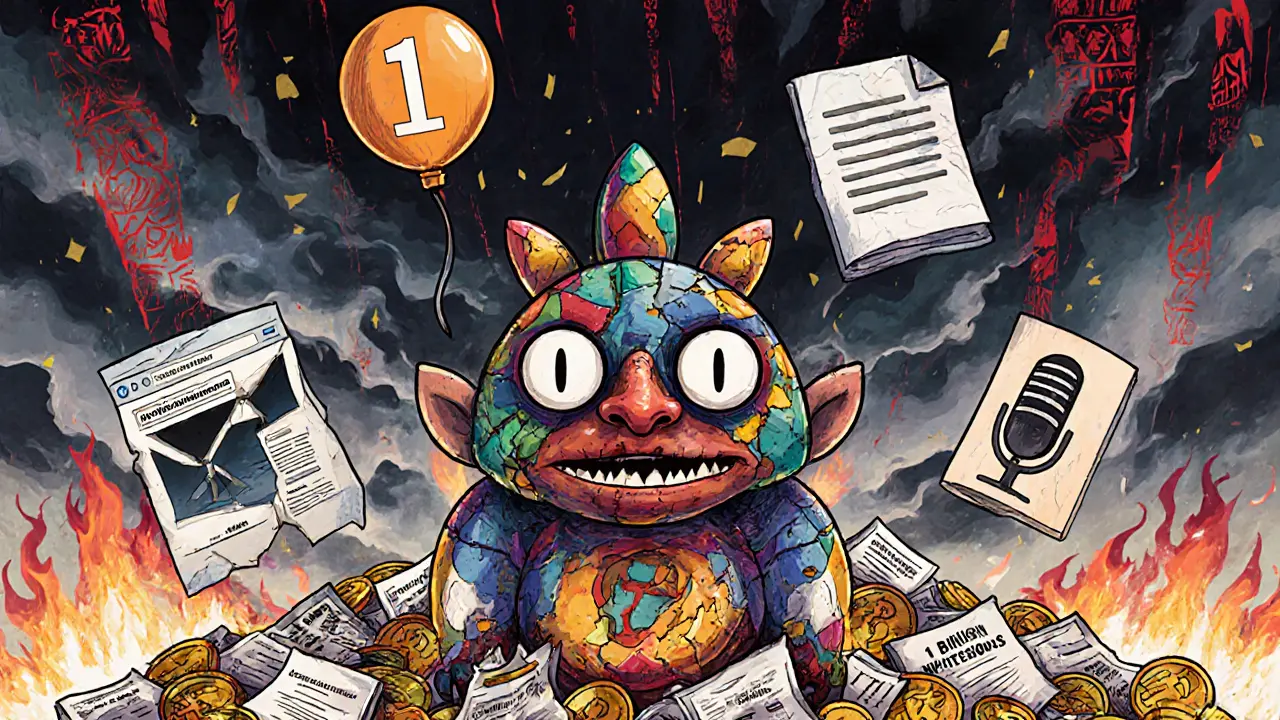
When you search for CRUZE price, a cryptocurrency token with minimal public tracking and no major exchange listings. Also known as CRUZE token, it’s one of hundreds of obscure digital assets that appear briefly on niche platforms before fading into obscurity. Most people who look up CRUZE price are either curious after seeing a random tweet, or they’re trying to cash out from a wallet they forgot they had. The truth? There’s no real market for it. No consistent trading volume. No credible exchange. No team updates. Just a price tag floating in the void, often pulled from a single, unreliable data source.
CRUZE doesn’t fit into any known category—no DeFi utility, no NFT integration, no clear use case. It’s not listed on CoinMarketCap or CoinGecko, which means any price you see is either guessed, scraped from a dead DEX, or outright fake. Compare that to tokens like SEAM, a lending token on Base blockchain with active staking and governance or FLUX, a token distributed via CoinMarketCap with verifiable claim events. Those projects at least have public records, community activity, and measurable on-chain behavior. CRUZE has none of that. It’s a ghost token.
Why does this happen? Because crypto is full of low-effort projects launched to attract speculative buyers. A developer spins up a token on a chain like BSC or Polygon, lists it on a tiny exchange like MEXC or XT.com, pumps it for a week, then vanishes. The price drops to zero. The website goes dark. The Telegram group gets deleted. And people still search for the CRUZE price months later, hoping it came back. It didn’t. Not because the market is unfair—but because there was never anything to begin with.
You’ll find CRUZE mentioned in a few posts here—like the ones about LNR airdrop, a vanished NFT project that promised free tokens but delivered nothing, or CHY airdrop, a charity-themed token worth $0 with zero trading activity. These aren’t outliers. They’re the norm. The crypto space is flooded with tokens that exist only on paper, in wallets nobody uses, and on price trackers that pull data from bots. CRUZE is one of them.
If you’re holding CRUZE, check your wallet balance. If it’s more than zero, you’re lucky. If you’re researching it because you saw a "1000x gain" post, walk away. Real crypto value comes from transparency, usage, and community—not hype charts and fake volume. The posts below cover exactly this: how to spot the fake tokens, how to read between the lines of misleading price tags, and how to avoid losing money to projects that were never meant to last.